
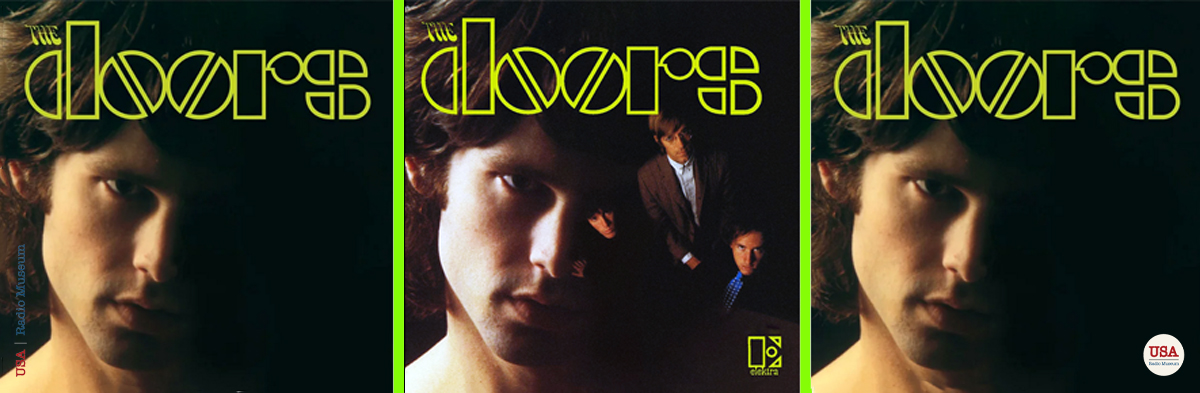
Introduction: The Album That Opened a New Door in American Rock Music On January 4, 1967, Elektra Records released The Doors, the self‑titled debut a
Introduction: The Album That Opened a New Door in American Rock Music
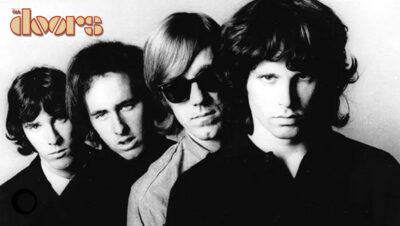 On January 4, 1967, Elektra Records released The Doors, the self‑titled debut album by a young Los Angeles band whose hypnotic sound had already become the talk of the Sunset Strip. What club‑goers at the Whisky a Go Go had witnessed in 1966 — Jim Morrison’s trance‑like vocals, Ray Manzarek’s swirling organ, Robby Krieger’s flamenco‑tinged guitar, and John Densmore’s jazz‑inflected drumming — was suddenly available to the entire country. The album arrived at a moment when American youth culture was accelerating toward the Summer of Love, and rock music was evolving from danceable pop to a vehicle for poetry, rebellion, and experimentation.
Featuring enduring tracks such as “Break On Through (To the Other Side),” “Light My Fire,” and the apocalyptic epic “The End,” the album climbed steadily up the Billboard 200, eventually peaking at No. 2 in September 1967. Its influence has only grown since. In 2015, the Library of Congress added The Doors to the National Recording Registry, praising its “unprecedented fusion of rock with blues, jazz, and classical music”.
What follows is a deep exploration of the album’s creation, its cultural impact, its musical innovations, and its enduring legacy in American radio and rock history. — USA RADIO MUSEUM
I. The Los Angeles Scene: Fertile Ground for a Revolution
By 1965–66, Los Angeles had become a crucible for new musical ideas. The Byrds, Love, Buffalo Springfield, and Frank Zappa’s Mothers of Invention were reshaping rock with folk, jazz, and avant‑garde influences. The Doors emerged from this environment, but they were not simply another psychedelic band. As the Library of Congress notes, their sound fused “rock with blues, jazz, and classical music,” creating something “unprecedented” in American music.
II. Venice Beach & UCLA: The Band’s Unlikely Origins
Jim Morrison and Ray Manzarek met as film students at UCLA. Morrison, who had been writing poetry long before he ever sang in public, carried notebooks filled with surreal imagery and existential themes. Manzarek, classically trained and fascinated by jazz improvisation, immediately recognized Morrison’s lyrical potential. Their early rehearsals on Venice Beach — with waves crashing behind them — were as much philosophical discussions as musical sessions.
III. The Whisky a Go Go Residency
The band’s residency at the Whisky a Go Go in 1966 became legendary. Their performances were unpredictable, theatrical, and often confrontational. Morrison’s improvisational monologues — sometimes whispered, sometimes screamed — gave the band a reputation for danger and mystique. Word spread quickly across the Strip: this was a band unlike any other.
A Band of Contrasts
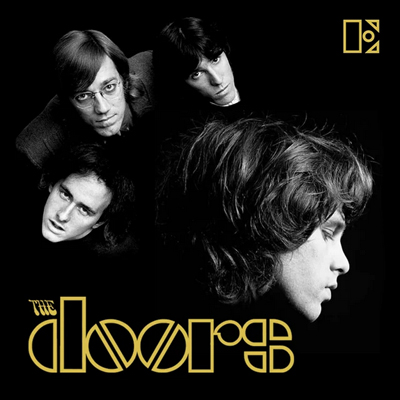 The Doors’ uniqueness came from the tension between its members:
- Jim Morrison, the poet‑frontman, drew from Arthur Rimbaud, William Blake, and the Beats.
- Ray Manzarek, classically trained, supplied the band’s bass lines on a Fender Rhodes keyboard while playing organ with his right hand.
- Robby Krieger, influenced by flamenco and folk, wrote the band’s biggest hit, “Light My Fire.”
- John Densmore, a jazz drummer, brought rhythmic sophistication unusual in rock.
This fusion of poetry, theater, and musical eclecticism set the stage for their debut album.
IV. Recording the Album: Sunset Sound, August 1966
The Doors recorded their debut in August 1966 at Sunset Sound Recorders in Hollywood. Producer Paul A. Rothchild — who would become one of the most important producers of the era — recognized the band’s potential immediately. He approached the project with a seriousness usually reserved for classical or jazz recordings.
A Live‑in‑Studio Approach
Because the band had honed its material through countless live performances, most tracks were recorded quickly, often in just a few takes. Rothchild sought to capture the raw electricity of their club shows while adding subtle studio enhancements.
The Tracklist: A New Canon Emerges
The album’s tracklist reads today like a greatest‑hits compilation:
- Break On Through (To the Other Side)
- Soul Kitchen
- The Crystal Ship
- Twentieth Century Fox
- Alabama Song (Whisky Bar)
- Light My Fire
- Back Door Man
- I Looked at You
- End of the Night
- Take It as It Comes
- The End
The inclusion of “The End,” an 11‑minute odyssey with an improvised Oedipal monologue, was unprecedented for a debut album.
V. The Breakthrough: “Light My Fire” and National Fame
Although “Break On Through” was released as the band’s first single on January 1, 1967, it was “Light My Fire” that catapulted The Doors to national fame. As the single climbed the charts, the album itself began a remarkable run on the Billboard 200.
According to Billboard chart historian Joel Whitburn’s Top Pop Albums 1955–1996, The Doors made its chart debut on March 25, 1967, beginning an extraordinary run that lasted 121 consecutive weeks — stretching through 1967, 1968, and well into 1969. For a debut album in the 1960s, this kind of longevity was exceptional. Only a small handful of rock albums from the era managed to remain on the chart for more than 100 weeks, and The Doors achieved it with their very first release.
The album ultimately peaked at No. 2 for two weeks in 1967, held back only by the era’s dominant forces — including The Beatles and The Monkees — making its achievement even more impressive. Its slow‑burn rise and long residency on the chart reflected not only the strength of its singles but the growing cultural fascination with the band’s dark, poetic, and experimental sound.
The Birth of a Classic
“Light My Fire” began as a simple idea from Robby Krieger. Morrison had challenged the band to write about universal themes — “love,” “death,” “travel,” “fire.” Krieger chose fire. His early version was a folk‑flamenco sketch, but once the band began shaping it together, it transformed into a psychedelic jazz‑rock epic.
AM vs. FM Radio
Elektra released a heavily edited 2:52 version of “Light My Fire” for AM radio. But FM DJs embraced the full 7‑minute album version, helping establish FM as the home of album‑oriented rock.
A Slow‑Burn Album Becomes a Blockbuster
As “Light My Fire” dominated the airwaves, the album The Doors climbed the Billboard 200, eventually peaking at No. 2 in September 1967.
VI. “The End”: A Song That Redefined Rock’s Boundaries
“The End” remains one of the most controversial and influential tracks in rock history. It concludes the album with an improvised spoken‑word section that critics immediately recognized as groundbreaking.
From Breakup Song to Ritual Performance
Originally a simple farewell to a former girlfriend, “The End” evolved into a ritualistic performance piece through Morrison’s improvisations at the Whisky a Go Go.
Modal Improvisation and Indian Influence
Krieger’s guitar lines drew from Indian ragas, while Manzarek’s organ created a droning, meditative atmosphere. Densmore’s jazz‑inflected drumming added tension and space.
A Cultural Touchstone
The song later gained renewed attention when Francis Ford Coppola used it in the opening sequence of Apocalypse Now (1979), cementing its place in American cultural memory.
VII. Critical Reception and Legacy
 Upon release, The Doors received strong reviews, though some critics were unsure how to categorize the band. Over time, however, the album’s reputation grew enormously.
Library of Congress Recognition
In 2015, the album was added to the National Recording Registry for its “cultural, historical, and aesthetic significance”.
A Permanent Fixture in “Greatest Albums” Lists
Today, The Doors consistently appears on lists of the greatest albums ever recorded. Its influence spans genres — from punk to goth to alternative rock.
The Album’s Influence on American Radio
For the USA Radio Museum, this section is especially meaningful. The Doors didn’t just succeed on radio — it helped reshape radio itself.
The Rise of FM Free-form Radio
FM DJs championed longer, more experimental tracks. The Doors became a cornerstone of this new format.
Censorship Battles
“Break On Through” had its “she gets high” line muted on early pressings. “The End” was considered unplayable on AM. But these controversies only fueled the band’s mystique.
A Lasting Radio Legacy
“Light My Fire” remains one of the most played songs in the history of American rock radio.
Cultural Impact: The Doors as Symbols of the 1960s
The Doors were more than a band — they were a cultural phenomenon that captured the contradictions of the 1960s.
A Soundtrack for a Turbulent Era
Their music resonated deeply with a generation searching for meaning amid political unrest, the Vietnam War, and social upheaval.
Morrison as Countercultural Icon
Jim Morrison’s image — leather‑clad, enigmatic, poetic — became emblematic of the era’s fascination with freedom and rebellion.
VIII. Why the Album Still Matters Today
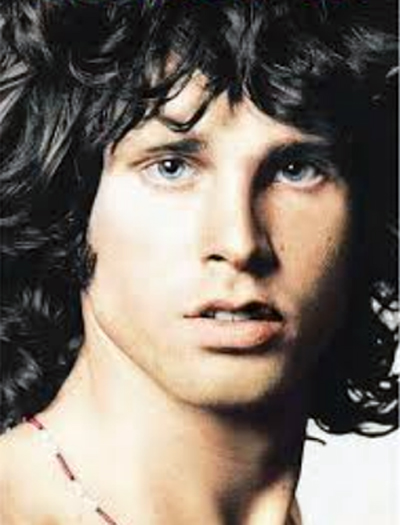
Jim Morrison circa 1966.
For more than 59 years after the album’s recording and release, The Doors remains a vital, compelling work of art.
Timeless Themes
The album explores universal themes — freedom, desire, fear, transcendence — that continue to resonate.
A Living Cultural Artifact
As part of the National Recording Registry, The Doors is recognized as a key piece of American cultural history.
Conclusion: A Debut That Changed Everything
When The Doors was released on January 4, 1967, it announced the arrival of a band that would reshape American music. Its fusion of poetry, psychedelia, jazz, blues, and theatrical performance created a sound that was entirely new. Its songs became anthems of a generation. Its influence continues to echo through radio waves, concert halls, and the imaginations of musicians worldwide.
For the USA Radio Museum, the album stands as a testament to the transformative power of radio, the daring spirit of 1960s rock, and the enduring legacy of a band that dared to ‘break on through to the other side’ with their debut album in 1967, it is regarded as an enduring, all-time classic American rock album, even still, to this day.
Sources and Credits
The Doors (album) – Wikipedia Discogs – The Doors (1967) DoorsHistory.com – 1967 Timeline Library of Congress – National Recording Registry Essay on The Doors TheDoorsGuide.com – Album Overview
______________________________
Contact: jimf.usaradiomuseum@gmail.com
______________________________
A USARM Viewing Tip: On your PC? Mouse/click over each image for expanded views. On your mobile or tablet device? Finger-tap all the above images inside the post and stretch image across your device’s screen for LARGEST digitized view. Then click your brower’s back arrow to return to the featured post.
© 2026 USA Radio Museum. All rights reserved.
