
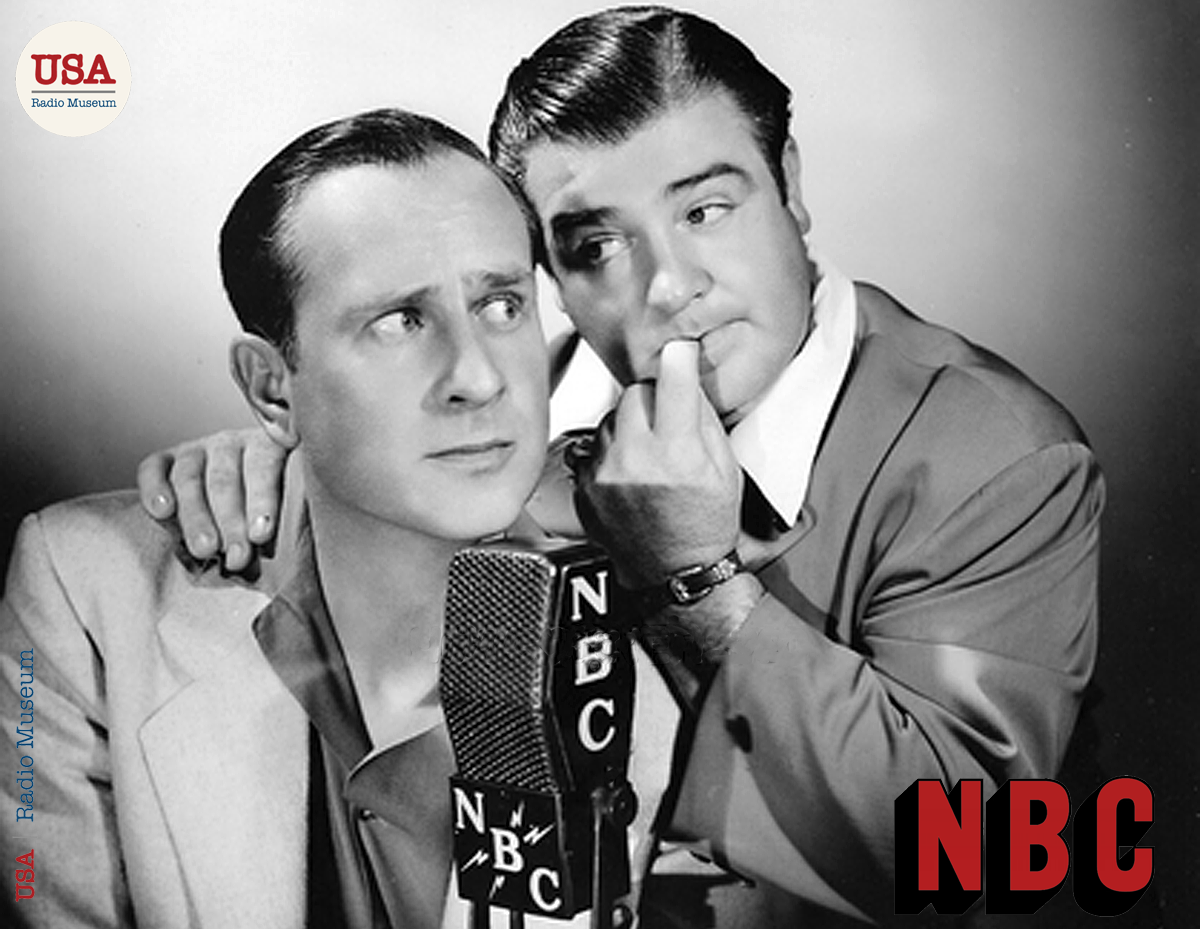
The Abbott and Costello Show: Echoes From America’s Funniest Hour INTRODUCTION: Few voices from radio’s Golden Age remain as instantly recognizable
The Abbott and Costello Show: Echoes From America’s Funniest Hour
 INTRODUCTION: Few voices from radio’s Golden Age remain as instantly recognizable—or as culturally significant—as Bud Abbott and Lou Costello. Their NBC and later ABC radio series, The Abbott and Costello Show, became a national touchstone during the 1940s, offering laughter, comfort, and a sense of shared identity at a time when America needed it most. Abbott’s razor‑sharp straight‑man precision and Costello’s endearing, bewildered innocence created a comedic chemistry that defined an era.
The USA Radio Museum proudly preserves 181 surviving broadcasts of this landmark program, capturing not only the duo’s brilliance but the full soundscape of mid‑century American radio: orchestras, announcers, sponsors, and the collective hum of a nation listening together. These recordings reveal how radio allowed Abbott and Costello to refine their routines with unmatched immediacy, transforming vaudeville‑honed bits into intimate, immersive comedic worlds.
Their influence remains woven into the fabric of American comedy. While many first encounter them through “Who’s on First?”, the radio series reveals the full breadth of their artistry and their unmatched ability to build entire comedic worlds through sound alone. The Museum’s collection preserves these worlds with clarity and reverence, ensuring that new generations can experience the duo’s genius as it was originally heard.
This tribute explores the origins, structure, cultural impact, and enduring legacy of the NBC series, while celebrating the preservation efforts that keep these voices alive. Abbott and Costello were more than entertainers—they were architects of laughter during one of America’s most challenging decades, and their work continues to resonate across generations. — USA RADIO MUSEUM
Origins and Development: From Vaudeville to the ABC Microphone
Abbott and Costello’s journey to radio stardom began in the vaudeville houses of the 1920s and 1930s, where they perfected the rhythms that would later define their radio success. Their national breakthrough came on The Kate Smith Hour, where “Who’s on First?” became an instant sensation. By the early 1940s, they were film stars, national icons, and natural candidates for NBC’s ambitious programming strategy.
The later ABC radio series also blended polished scripts with the spontaneity of live performance. Writers crafted scenarios that showcased the duo’s strengths: Abbott’s crisp, authoritative straight‑man delivery and Costello’s emotional, childlike bewilderment. The result was a show that felt both meticulously structured and joyfully unpredictable.
_____________________
NBC Radio | The Abbott & Costello Show | ‘Christmas Story’ | December 23, 1943
Audio Digitally Remastered by USA Radio Museum
_____________________
Structure, Style, and Signature Routines
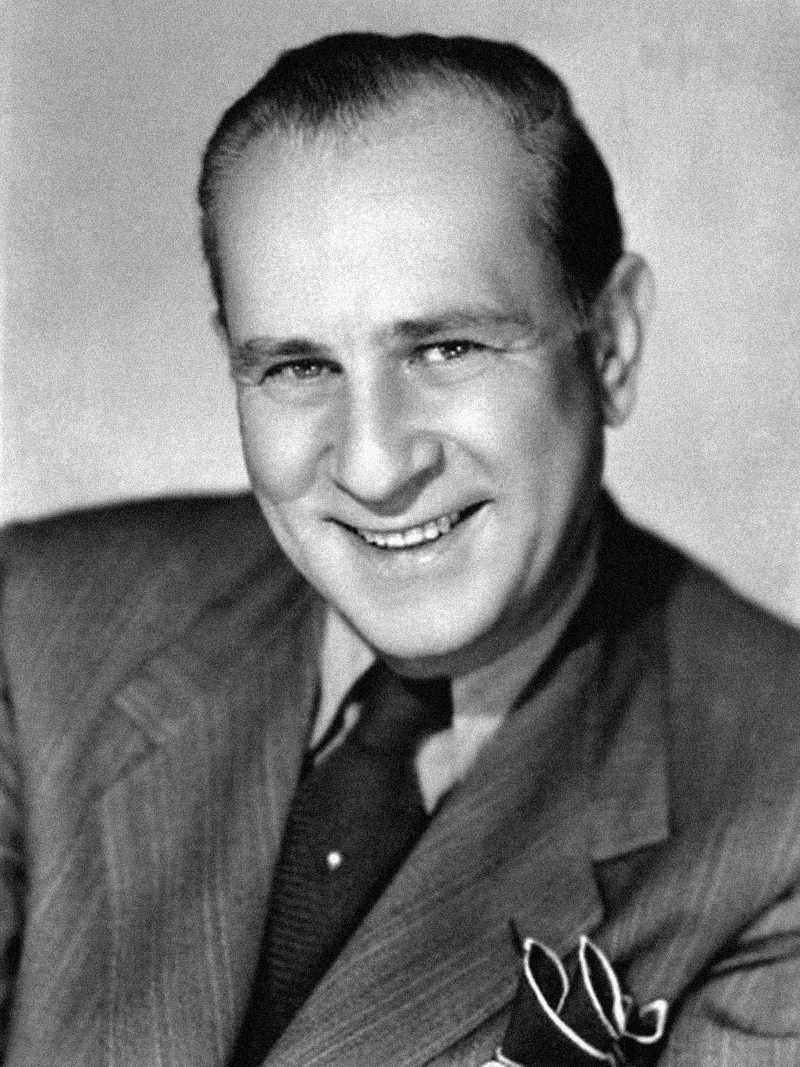
Bud Abbott, 1940s.
Each episode of The Abbott and Costello Show followed a loose narrative arc—Lou wants a job, joins the Army, buys a house, or tries to impress a girl—only for Abbott’s well‑intentioned “guidance” to send him spiraling into confusion. This flexible framework allowed the writers to weave in the duo’s classic burlesque routines with remarkable ease. Familiar bits such as “The Lemon Bit,” “The Hertz U‑Drive,” “The Army Physical,” and “The Dice Game” fit naturally into the unfolding storyline, giving listeners the pleasure of both anticipation and surprise. These routines, refined through years of vaudeville and stage work, gained new life on radio, where timing, rhythm, and vocal nuance could elevate even the simplest misunderstanding into a comedic crescendo.
The show’s supporting cast—Mrs. Niles with her aristocratic disdain, the blustering Melonhead, the romantically persistent Bessie Mae Mucho, and announcers like Ken Niles—expanded the comedic universe and provided Abbott and Costello with a rotating gallery of foils. Their presence enriched the narrative texture of each broadcast, creating a sense of community and continuity that listeners came to cherish. Musical interludes from Will Osborne’s orchestra added further dimension, offering moments of breathing room between comedic peaks and reinforcing the show’s polished variety‑format identity.
Radio itself amplified the duo’s artistry. Without visuals, every pause, sigh, stammer, and tonal shift carried weight. Abbott and Costello’s voices became finely tuned instruments, capable of building entire comedic worlds through sound alone. Their timing—already legendary—became even more precise in the intimacy of the microphone. The result was a series that felt immediate, immersive, and deeply personal, inviting listeners not just to laugh at the routines but to inhabit them.
Cultural Impact and Wartime Significance
During World War II, Abbott and Costello became more than entertainers—they became national companions. Their broadcasts offered emotional relief to families at home and soldiers overseas. Through the Armed Forces Radio Service, their voices reached troops across Europe and the Pacific, providing a comforting link to home.
Their wartime contributions extended beyond comedy. The duo helped sell millions in war bonds, including the legendary 1942 rally that raised $85 million in a single day. Their routines often incorporated wartime themes with sensitivity and humor, reflecting the anxieties and hopes of the era.
As the nation transitioned into the post‑war years, the show remained a stabilizing force. Abbott and Costello’s familiar rhythms provided continuity in a rapidly changing world.
_____________________
NBC Radio | The Abbott & Costello Show | ‘Who’s On First?’ | June 6, 1944
Audio Digitally Remastered by USA Radio Museum
_____________________
Preservation, Legacy, and the USA Radio Museum’s 181‑Episode Archive
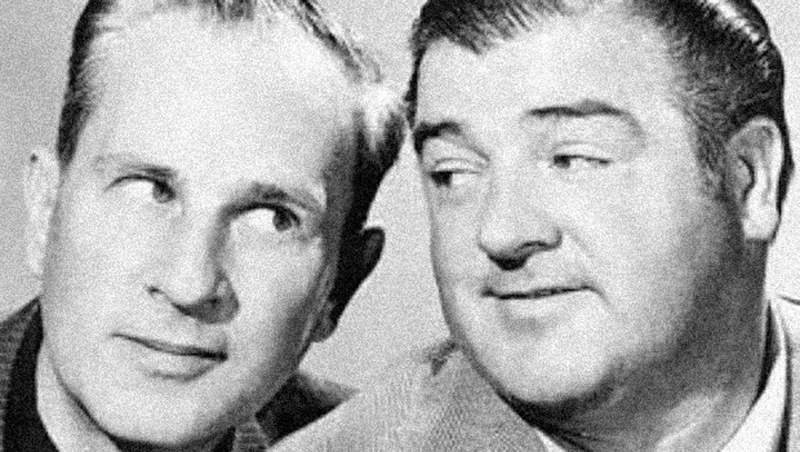
Abbott and Costello, 1940s.
Radio was never meant to last. The transcription discs used in the 1940s were fragile, prone to wear, and often erased or repurposed to save money. That 181 episodes of The Abbott and Costello Show survive today is nothing short of remarkable—a testament to the collectors, engineers, broadcasters, and archivists who understood, even in the moment, that Abbott and Costello were creating something worth saving. Their foresight preserved not only a body of work but a cultural memory.
At the USA Radio Museum, each surviving broadcast undergoes a meticulous preservation process designed to honor the integrity of the original recordings while ensuring their longevity.
High‑resolution digital transfers capture every nuance of the surviving discs and tapes. Audio restoration techniques remove hiss, hum, pops, and surface noise without sacrificing the warmth and authenticity of the original sound. Pitch and speed correction restore the natural timbre of the performers’ voices, bringing Abbott and Costello closer to how they were heard in the studio.
Detailed metadata and historical documentation accompany each episode, preserving air dates, cast lists, sponsor information, and contextual notes that help situate the broadcasts within the broader cultural landscape. Redundant archival storage ensures that these recordings remain safe, accessible, and protected for generations to come.
_____________________
NBC Radio | The Abbott & Costello Show | ‘A Job at the Department Store’ | May 11, 1944
Audio Digitally Remastered by USA Radio Museum
_____________________
Camel Cigarettes: The Sponsor That Shaped the Sound
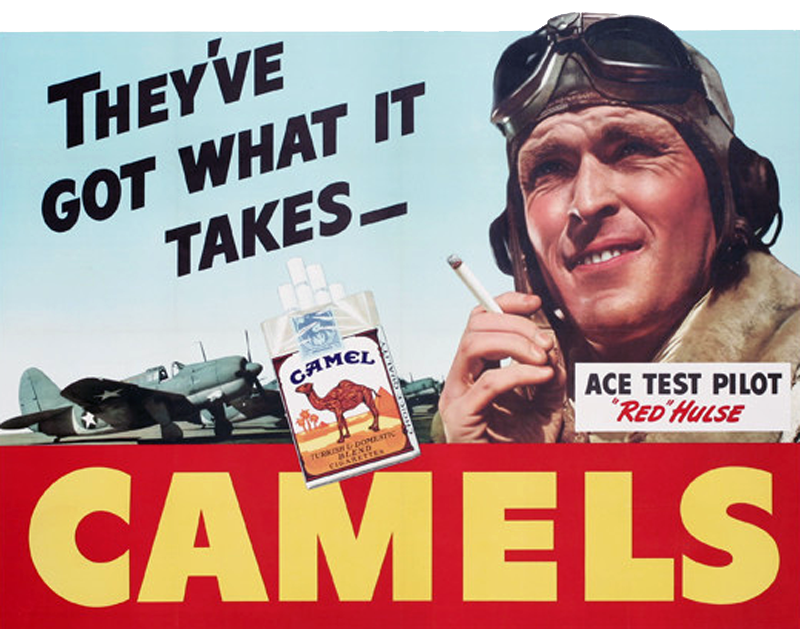 Camel cigarettes served as the program’s major sponsor, and their presence is woven into the fabric of the broadcasts. Their bold advertising style—anchored by the famous “More doctors smoke Camels” slogan—reflected the era’s marketing culture. Camel’s commercials, delivered with theatrical flair by announcers like Ken Niles, became part of the show’s identity.
Today, these ads serve as historical documents, offering insight into 1940s consumer culture and the powerful role sponsors played in shaping radio programming.
From Radio to Television: Reinvention in the 1950s
As television emerged in popularity the early 1950s, Abbott and Costello transitioned seamlessly into the new medium. The Abbott and Costello Show (1952–1954) brought their routines to visual life, adding physical comedy to their already impeccable timing. The series became a syndication staple, introducing new generations to their humor long after the original broadcasts ended.
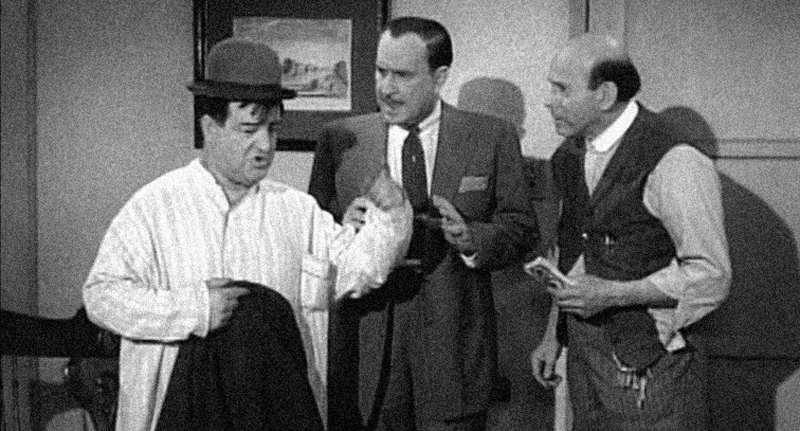
The Abbott and Costello Show, distributed and syndicated by TCA Television Corporation, 1952-1953.
While Abbott and Costello became national icons through radio and film, their transition to television in the early 1950s marked a new chapter in their legacy. Unlike many of their contemporaries, the duo did not anchor a weekly network series on NBC, CBS, or ABC. Instead, their landmark television program, The Abbott and Costello Show (1952–1954), was produced exclusively for first‑run syndication. This meant the series was sold directly to local stations across the country, allowing it to air in different cities at different times, independent of network schedules.
This syndication model gave Abbott and Costello an unusual degree of creative freedom and long‑term visibility. The show’s filmed episodes—built around their classic routines and supported by a recurring cast—became staples of local programming throughout the 1950s and well into the 1960s, 70s, and beyond. Its longevity in reruns helped introduce the duo to new generations long after their radio and film careers had ended.
Television (Syndication): 1952–1954 Produced by TCA Television Corporation (later MCA), distributed directly to local stations nationwide.
The success of the syndicated series underscores the duo’s enduring appeal and the timelessness of their routines. While their radio work captured the intimacy of sound, their television show preserved the physicality, expressions, and visual rhythms that had defined their vaudeville roots.
Their success across vaudeville, radio, film, and television underscores their versatility and enduring appeal.
Awards and Honors: Recognition Across Generations
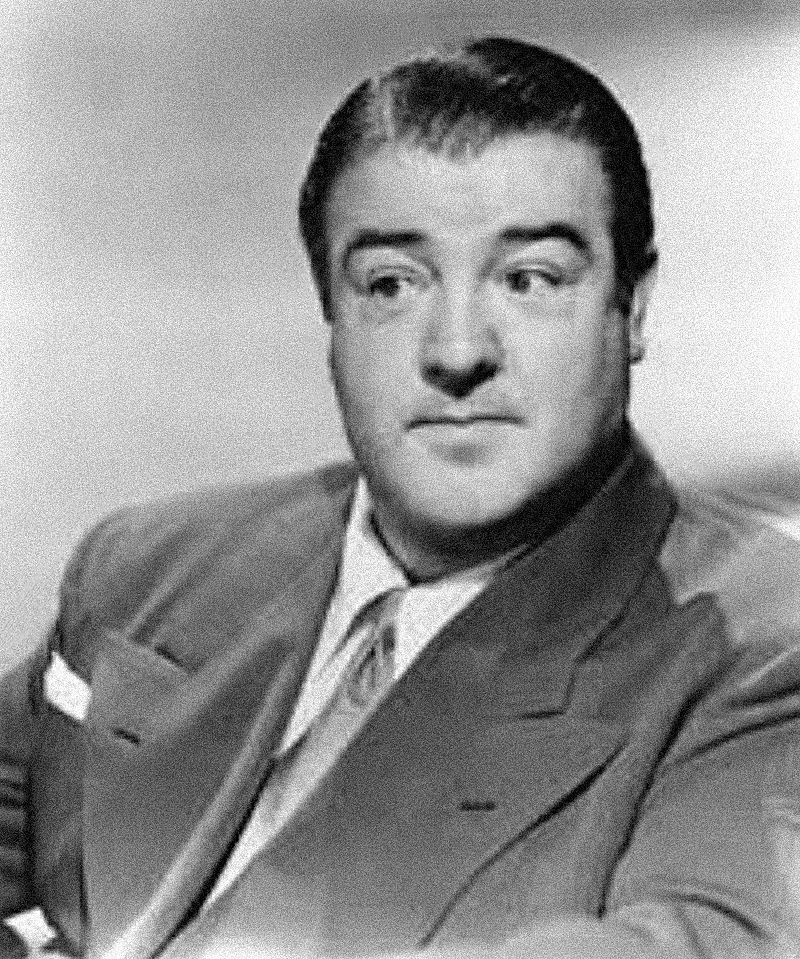
Lou Costello, 1940s.
Although Abbott and Costello never received major competitive radio or television awards during the height of their careers—a reflection of an era when comedy was often overlooked in formal award circuits—their legacy has been honored in profound and enduring ways. Their work resonated so deeply with American audiences that recognition ultimately arrived not through trophies of the moment, but through institutional honors that affirmed their lasting cultural impact.
One of the earliest acknowledgments of their influence came in 1956, when a recording of their legendary routine “Who’s on First?” was enshrined in the National Baseball Hall of Fame. This rare distinction placed a comedy bit alongside the sport’s greatest artifacts, underscoring how deeply the routine had embedded itself into American identity.
Decades later, the broadcasting world offered its own tribute. In 2005, Bud Abbott and Lou Costello were formally inducted into the Radio Hall of Fame, honoring their extraordinary contributions to the medium and cementing their place among the most influential performers in radio history. This induction recognized not only their iconic routines but the emotional comfort they provided to millions during the 1940s, especially throughout World War II.
These honors, though awarded long after the original broadcasts faded from the airwaves, affirm what audiences have always known: Abbott and Costello were giants of American entertainment. Their timing, chemistry, and humanity transcended the limitations of their era’s award systems.
_____________________
NBC Radio | The Abbott & Costello Show | ‘Going Back to School’ | March 1, 1945
Audio Digitally Remastered by USA Radio Museum
_____________________
A Brief Biography of Two American Originals
Bud Abbott
Born October 2, 1897, in Asbury Park, New Jersey, Abbott grew up in show business and mastered the art of the straight man. His precision and discipline were the backbone of the duo’s success. He passed away on April 24, 1974, at age 76.
Lou Costello
Born March 6, 1906, in Paterson, New Jersey, Costello began as a stuntman before discovering his gift for comedy. His innocence, vulnerability, and explosive reactions made him beloved worldwide. He died on March 3, 1959, just shy of his 53rd birthday.
Together, they created one of the most influential comedic partnerships in American history.
Conclusion: A Legacy That Still Echoes
The Abbott and Costello Show is more than a radio program—it is a cultural landmark. It reflects the humor, anxieties, resilience, and imagination of 1940s America. It showcases two performers whose chemistry transcended medium and era. And through the USA Radio Museum’s preservation of these classic surviving radio episodes, their voices continue to delight, educate, and inspire a new generation, recalling an era when radio stood as the true bastion of entertainment in 1940s Americana — a reminder that laughter, once shared across the airwaves, still echoes in the heart of our national memory to this day.
______________________________
Contact: jimf.usaradiomuseum@gmail.com
______________________________
A USARM Viewing Tip: On your PC? Mouse/click over each image for expanded views. On your mobile or tablet device? Finger-tap all the above images inside the post and stretch image across your device’s screen for LARGEST digitized view. Then click your brower’s back arrow to return to the featured post.
© 2026 USA Radio Museum. All rights reserved.
