
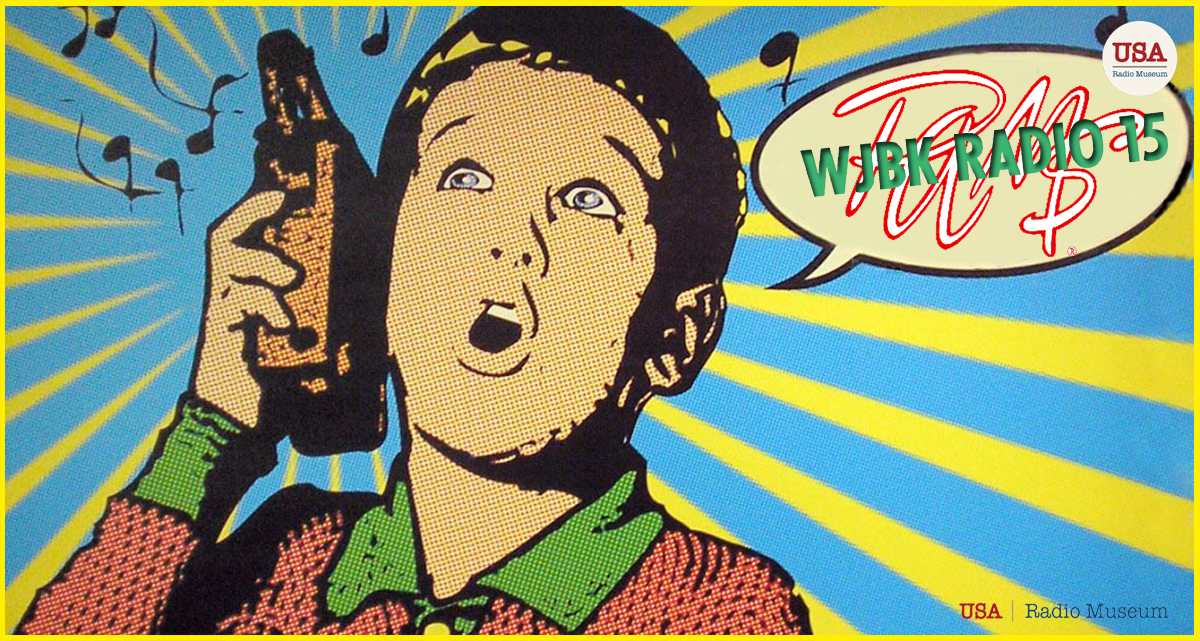
A USA Radio Museum JINGLES Feature There are moments in radio history when artistry, technology, and cultural timing converge so perfectly that the
A USA Radio Museum JINGLES Feature
There are moments in radio history when artistry, technology, and cultural timing converge so perfectly that the result becomes more than a jingle package — it becomes a sonic signature for an entire era. For Detroit’s WJBK Radio 15, one of those defining moments arrived in 1962, when the station adopted PAMS Series 23: “Ani‑Magic.” It was a package that didn’t just identify the station; it animated it. It gave WJBK a new rhythmic heartbeat at a time when Top 40 radio was exploding with color, personality, and youthful energy.
This feature explores the origins of Series 23, its unique musical DNA, its place in the PAMS lineage, and why its use on WJBK remains one of the most memorable sonic chapters in Motor City broadcasting. — USA RADIO MUSEUM
_____________________
The PAMS Revolution: Setting the Stage for Series 23
 By the early 1960s, PAMS Productions of Dallas had become the undisputed leader in American radio jingles. Their innovations — especially the variable‑melody logo perfected around 1960 — allowed stations to order custom‑sung IDs over fully produced music beds, giving each station a sound that was both unique and instantly recognizable.
This was the era when PAMS was producing its most iconic work. Between 1960 and 1972, the company created many of the packages that would define the sound of Top 40 radio nationwide. Series 23 emerged right in the middle of this creative peak.
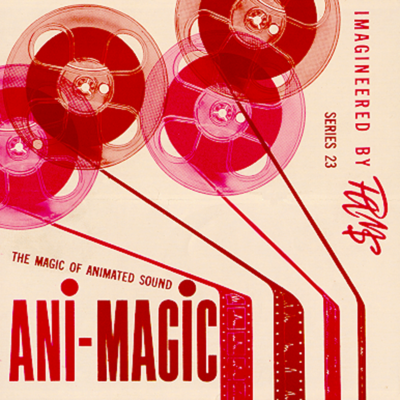
Introducing Series 23: “Ani‑Magic” (1962)
Series 23, officially titled “Ani‑Magic,” debuted in 1962. It was a bold, playful, and technically inventive package that incorporated sound effects woven directly into the rhythm of the cuts, creating what PAMS described as “animated magic.”
This was not merely a jingle package — it was a sound‑design experiment ahead of its time. The jingles bounced, popped, and sparkled with cartoon‑like accents, percussive hits, and whimsical flourishes that made the station sound alive. The effect was immediate: stations using Series 23 suddenly felt more modern, more fun, and more in tune with the youthful energy of early‑1960s pop culture.
_____________________
PAMS | WJBK Series #23 | 1962-1963
Audio Digitally Remastered by USA Radio Museum
_____________________
Why Series 23 Fit WJBK Perfectly
WJBK in 1962 was a station in transition — sharpening its Top 40 identity, refining its personality lineup, and competing in one of the most vibrant radio markets in America. Detroit radio was fierce, creative, and personality‑driven. A station needed a distinctive sound to stand out.
Series 23 delivered exactly that. Detroit in the early ’60s was a city of motion — automobiles, Motown, and a booming youth culture. The animated, rhythmic quality of Series 23 felt tailor‑made for a city that pulsed with mechanical and musical energy. WJBK’s DJs were known for warmth, humor, and showmanship, and Series 23’s playful sonic palette gave them the perfect audio canvas. The jingles didn’t just introduce a DJ — they set a mood.
Inside the Sound of Series 23
 PAMS’ vocal groups were at their peak in 1962, delivering tight, punchy harmonies that cut through AM radio compression with remarkable clarity. Their blend had a brightness and precision that made every sung logo feel instantly memorable.
Series 23 also offered stations an impressive degree of customization. WJBK could order top‑of‑hour IDs, DJ name shouts, weather jingles, time checks, contest stagers, and transitional sweepers — a full sonic toolkit rather than a simple set of identifiers. This flexibility allowed the station to weave the Ani‑Magic sound into every corner of its broadcast day, creating a cohesive identity listeners could feel as much as hear.
Stylistically, Series 23 occupies a fascinating place in the PAMS timeline. It sits between the smoother, more melodic packages of the late 1950s and the high‑energy, brass‑forward sound that would define the mid‑1960s. The result is a package that feels playful yet polished, youthful yet musically sophisticated — a perfect reflection of early‑’60s radio as it transitioned into a more modern, personality‑driven era.
WJBK’s Use of Series 23 (1962–1963)
WJBK’s use of PAMS Series 23 is well documented between 1962 and 1963, and the package quickly became one of the station’s most recognizable sonic signatures of the early ’60s. Archival audio preserved by Motor City Radio Flashbacks and the USA Radio Museum reveals a vibrant palette of bright, upbeat station IDs, along with DJ‑specific cuts that carried a distinctly Detroit personality. Transitional jingles gave the station a smooth, professional flow, allowing each program element to glide effortlessly into the next.
Across the broadcast day, Series 23 created a unified musical identity that listeners could instantly recognize. One of the Series 23 cuts — Track #5 — carries a rhythmic drive reminiscent of Henry Mancini’s ‘Peter Gunn’ theme, reflecting the early‑’60s trend of weaving cinematic jazz influences into radio imaging. For many Detroiters who grew up with WJBK during this period, the jingles remain as vivid in memory as the hit records themselves — a testament to the emotional power and craftsmanship of PAMS’ work.
Earlier PAMS Usage: The Late‑1950s Mystery
Although Series 23 is the best‑documented PAMS package used by WJBK, evidence strongly suggests that the station had already been a PAMS client in the late 1950s. Surviving airchecks from 1958–1960 reveal jingles whose vocal blend, chord structures, and production style strongly resemble early PAMS work — particularly Series 8, 9, and 10. These similarities suggest that WJBK was already steeped in the PAMS tradition before adopting Series 23, even if the exact series numbers cannot yet be confirmed.
_____________________
Curator’s Note: On the Gaps in the Archive
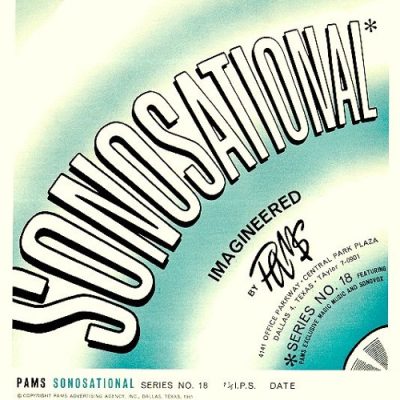 Reconstructing the full history of WJBK’s early jingle packages presents a unique archival challenge. Early PAMS packages were often sold as partial or customized sets, and many stations ordered individual custom cuts rather than full numbered series. As a result, formal documentation was rarely retained, and some production records from the 1956–1960 period no longer exist at radio stations, especially today.
But PAMS has them. And you can find them all listed, in order, HERE.
Where the archival record is firm, we state it confidently. Where gaps remain, we acknowledge them openly while continuing to research, compare audio sources, and consult collectors and historians. Radio history is a living archive, and part of its beauty lies in the detective work — the careful listening, the cross‑referencing, and the shared effort to preserve a sound that shaped generations.
_____________________
The PAMS → JAM Lineage
PAMS Productions revolutionized radio imaging from the late 1950s through the early 1970s, creating the jingle series that defined the sound of Top 40 radio — including WJBK’s beloved Series 23. When PAMS ceased operations in the mid‑1970s, its legacy might have faded. Instead, it found a new steward.
 In 1974, former PAMS producer and jingle historian Jonathan Wolfert founded JAM Creative Productions in Dallas. JAM quickly became the next great powerhouse in radio imaging, while also preserving and licensing the complete PAMS library. Through JAM’s stewardship, the original PAMS masters, arrangements, and intellectual property remain protected, accessible, and historically intact.
For the USA Radio Museum, this lineage is essential. It means that when visitors hear WJBK’s Series 23 jingles, they are listening to a living heritage — a sound born at PAMS, preserved by JAM, and carried forward by the people who understand its cultural importance best.
When WJBK’s PAMS 23 Era Came to a Close, 1964
WJBK’s Ani‑Magic identity came to an end in 1964 when the station shifted to a Beautiful Music format. The bright, animated jingle sound of Series 23 gave way to a softer melodic, more orchestral identity — marking the close of one of the most memorable sonic eras in Detroit radio history.
_____________________
Sources & Credits
This feature draws upon historical documentation from PAMS Productions (Dallas), including published series catalogs and archival notes identifying Series 23 “Ani‑Magic” (1962); enhanced audio restorations and historical context from Motor City Radio Flashbacks, which preserves WJBK’s Series 23 cuts and usage timeline; supplemental reference from jingles.org and other PAMS research archives detailing production techniques, series chronology, and station adoption; and USA Radio Museum’s internal curation notes on WJBK’s early‑1960s branding and jingle integration.
PAMS’ intellectual property is today licensed and preserved by JAM Creative Productions, owned and operated by Jonathan Wolfert in Dallas, whose stewardship ensures the continued availability, restoration, and historical protection of the original PAMS series.
______________________________
Contact: jimf.usaradiomuseum@gmail.com
______________________________
A USARM Viewing Tip: On your PC? Mouse/click over each image for expanded views. On your mobile or tablet device? Finger-tap all the above images inside the post and stretch image across your device’s screen for LARGEST digitized view. Then click your browser’s back arrow to return to the featured post.
© 2026 USA Radio Museum. All rights reserved.

I Hope you can find some WJLB AM and WJLB FM jingles soon Jim.