
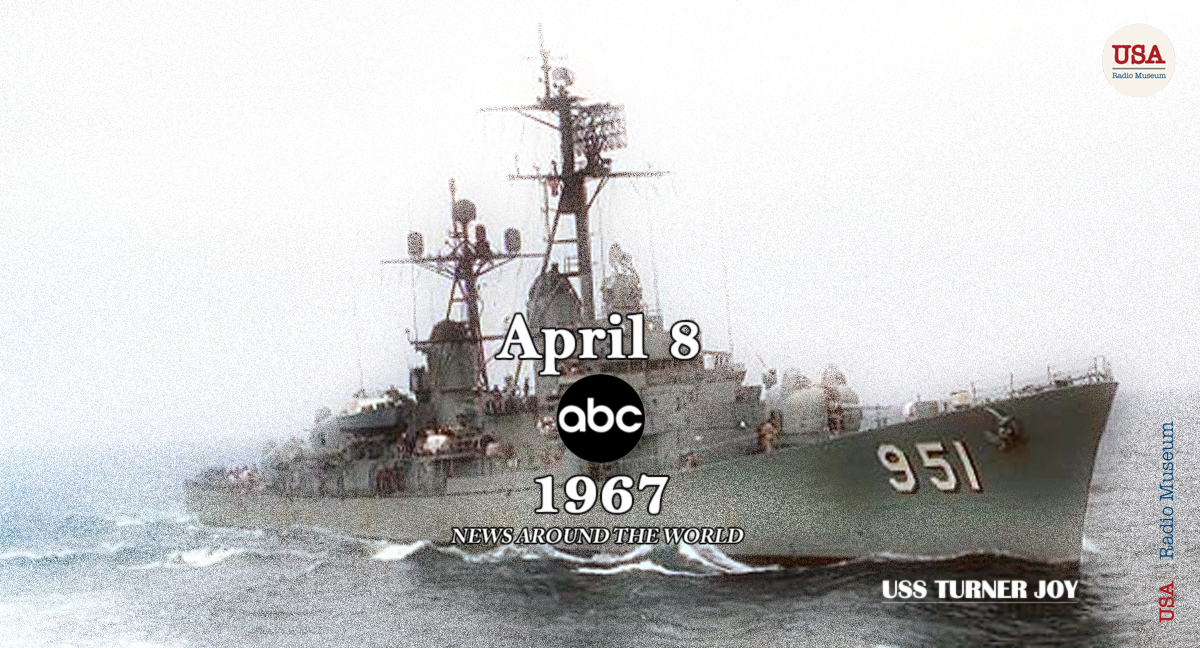
April 8, 1967 — A World on Edge, A Nation in Debate On Saturday, April 8, 1967, listeners across the United States tuned into the ABC Radio Network
April 8, 1967 — A World on Edge, A Nation in Debate
 On Saturday, April 8, 1967, listeners across the United States tuned into the ABC Radio Network for News Around the World, anchored by Tom O’Brien. What they heard that day was a portrait of a planet in turmoil — a world where conflict, political tension, and social upheaval converged in a single broadcast hour. From the slums of Seoul to the battlefields of Vietnam, from the Golan Heights to the streets of America, the news carried the unmistakable weight of a decade marred by war abroad and unrest at home.
To the USA Radio Museum this broadcast is a window to the past — 59 years ago — a vivid snapshot of how Americans learned about the world before the 24‑hour news cycle, before cable, before digital alerts.
In 1967, radio still carried the immediacy, urgency, and intimacy that shaped public understanding. And on this particular Saturday, ABC’s reporting captured a world in motion, a nation in debate, and a moment in history that still echoes today. — USA RADIO MUSEUM
_____________________
Sidebar I: Tom O’Brien — Filling In for Mort Crim
On most weekends in 1967, ABC Radio listeners expected to hear Mort Crim, one of the network’s rising stars. But on April 8, Crim was off — and veteran broadcaster Tom O’Brien stepped into the anchor chair.
O’Brien’s calm, authoritative delivery grounded the broadcast at a moment when the world was anything but calm. His steady presence guided listeners through a series of global crises, demonstrating the depth of ABC’s talent bench and the professionalism expected of mid‑century network anchors.
_____________________
Sidebar II: Mort Crim — From ABC Radio to Detroit Icon
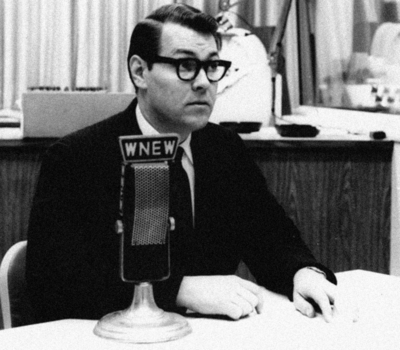
Mort Crim, 1965.
In the mid‑1960s, Mort Crim was already a defining voice of ABC Radio’s weekend news. But for Detroiters, his legacy would grow even larger. Crim’s early-radio resume includes WLS Radio, and WNEW Radio in New York.
Beginning in the early 1970s, Crim became one of the most recognizable faces on WDIV Channel 4, anchoring the evening news for 19 years. Previously, Crim anchored television news in Louisville and in Philadelphia. His authoritative yet reassuring presence made him a trusted figure in homes across the Motor City. For many families, “watching the news” meant watching Mort Crim.
His absence on April 8, 1967 — and Tom O’Brien’s fill‑in performance — offers a rare glimpse into the network’s inner workings during a pivotal era in American journalism.
____________________
>> A Tragedy in Seoul: A Plane Falls from the Sky
The broadcast opened with grim international news:
A military plane had crashed into the slums of Seoul, South Korea, killing more than 50 people — many of them children.
The tragedy underscored the fragility of life in a city still rebuilding from the Korean War, where dense neighborhoods and limited infrastructure magnified the human toll of any disaster. For American listeners, it was a stark reminder that instability wasn’t limited to Cold War flashpoints — it was also found in the everyday vulnerabilities of allied nations.
>> Escalation in Vietnam: U.S. Warships Under Fire

USS DUNCAN, 1967.
From Seoul, the broadcast shifted to Southeast Asia, where ABC correspondent Bill Brannigan reported from Saigon on a troubling pattern of escalation:
Communist gunners had stepped up attacks on two U.S. warships — the USS Turner Joy and the USS Duncan — off the northern coast of North Vietnam.
The Turner Joy, already etched into history for its role in the 1964 Gulf of Tonkin incident, was hit again, and one American serviceman was wounded on the USS Duncan. It was the third such attack in as many days, signaling a dangerous new phase in the conflict.
Amid the war and violence, South Vietnam extended an offer to North Vietnam for a one‑day truce on May 23, in observance of the Buddha’s birthday — a symbolic pause in a war that rarely paused for anything.
_____________________
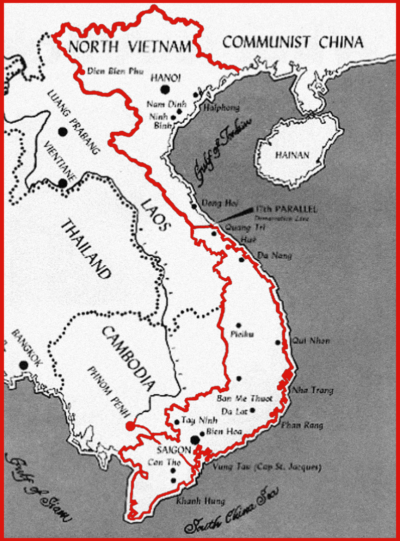
Vietnam, 1967.
Sidebar III: Bill Brannigan — Reporting Vietnam from the Ground
ABC correspondent Bill Brannigan was one of the network’s most respected Vietnam‑era reporters. Broadcasting from Saigon, he delivered clear, unvarnished accounts of a war growing more complex — and more controversial — by the day.
Bill Brannigan started out at the New York World-Telegram and Sun, but branched out to television, working for UPI Newsfilm and, later, ABC News.
His April 8 report captured a critical moment: stepped‑up attacks on U.S. warships, rising tensions, and a conflict that showed no signs of slowing. His voice remains a powerful reminder of the journalists who risked their lives to bring the truth home.
_____________________
>> The Middle East Ignites: Israel and Syria Clash
ABC then turned to the Middle East, where tensions between Israel and Syria had erupted into heavy fighting on April 7. Both nations accused each other of aggression. Israel had destroyed a significant portion of Syria’s air bases and aircraft — a precursor to the region’s escalating volatility just weeks before the Six‑Day War.
>> Diplomacy in Europe: Vice President Humphrey in Belgium
Vice President Hubert Humphrey was in Belgium for discussions on:
• The Atlantic Alliance
• Trade
• Nuclear proliferation
His visit reflected the Johnson administration’s effort to maintain unity within NATO while managing the strain of the Vietnam War.
>> Governor George Romney’s Surprising Speech on Vietnam
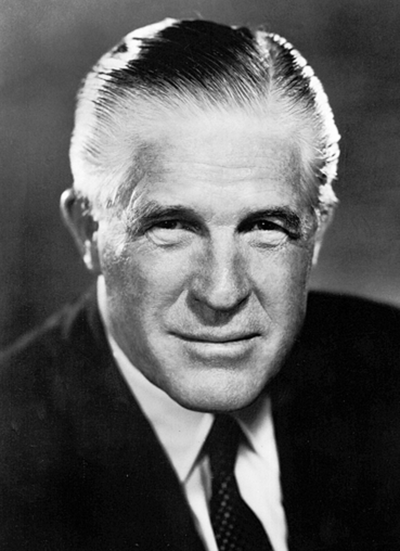
Michigan Governor George Romney.
In Hartford, Connecticut, Michigan Governor George Romney delivered a major policy address on the Vietnam War — one that surprised many listeners.
Romney endorsed President Johnson’s handling of the war and proposed amnesty for the Viet Cong, suggesting they be given a place in a future Saigon government. It was a bold stance for a Republican governor with national ambitions.
>> A Tremor in the Midwest: Earthquake Felt in Ohio
A superficial earthquake was felt in Ohio — minor, but unusual enough to make national news.
>> Dr. Martin Luther King Jr.: A Moral Voice Against the War
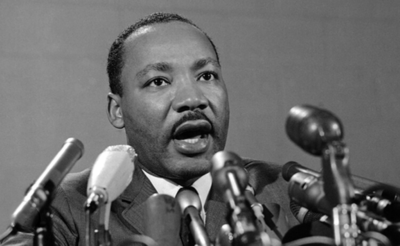
Dr. Martin Luther King, Jr., 1967.
One of the most powerful moments in the broadcast came from Nashville, where Dr. Martin Luther King Jr. delivered a speech at Vanderbilt University. He warned that the Vietnam War was undermining the nation’s fight against poverty.
King argued that the war on poverty could be won — but only if the nation committed to a “guaranteed annual income” for working Americans, rather than spending $35 billion annually on the war and $20 billion on the space program.
His message was clear:
America’s priorities were misaligned.
This speech came just days after King publicly broke with the Johnson administration over Vietnam — a turning point in his activism and a moment that reshaped the national conversation.
_____________________
Sidebar IV: ABC Radio in the 1960s — A Nation’s Window to the World
In the 1960s, before cable news and digital alerts, ABC Radio was one of America’s most trusted sources for global reporting. Its correspondents were stationed around the world, its anchors were household names, and its newscasts shaped public understanding of international events.
News Around the World was one of the network’s signature programs — a concise, authoritative sweep of the day’s major developments. The April 8, 1967 broadcast is a prime example of how radio journalism once connected Americans to the wider world with clarity, urgency, and humanity.
_____________________
A Broadcast That Captured a World in Motion
The April 8, 1967 edition of News Around the World stands today as a remarkable document — a single broadcast that captured:
• A deadly crash in Seoul
• Escalating conflict in Vietnam
• Rising tensions in the Middle East
• Diplomatic maneuvering in Europe
• Political recalibration in the United States
• A civil rights leader challenging the nation’s conscience
Anchored by Tom O’Brien’s steady voice and supported by correspondents like Bill Brannigan, the broadcast offered Americans a window into a world defined by conflict, complexity, and change.
 For the USA Radio Museum, this recording is more than a historical artifact. It is a reminder of the power of radio journalism — its immediacy, its intimacy, and its ability to bring the world into the living rooms, kitchens, and cars of millions.
On April 8, 1967, ABC Radio didn’t just report the news.
It captured the pulse of a world on edge — and a nation searching for its path forward.
_____________________
ABC Radio Network | Tom O’Brien | Saturday, April 8, 1967
Audio Digitally Remastered by USA Radio Museum | Courtesy of Gordon Skene and PastDaily.com
_____________________
Special Audio Source Acknowledgment
The above featured recordings is presented courtesy of the exceptional Past Daily website and is the property of its founder and curator, Gordon Skene, whose remarkable archive continues to preserve and share historic audio of lasting cultural significance. The featured broadcast—like many in Past Daily’s vast collection—was made freely available for streaming play and downloading in the earlier years of the site.
During that period, the author acquired numerous historic recordings from Past Daily, several of which have been respectfully featured on the (former) Motor City Radio Flashbacks website over the years—to the Past Daily site’s (and the owner’s) sole credit. Founded in 2012, Past Daily remains active and thriving online, dedicated to preserving and presenting audio history to a global audience. To support their ongoing mission and explore more of their archival treasures, please visit the Past Daily website—or simply click HERE.
_____________________
Contact: jimf.usaradiomuseum@gmail.com
_____________________
A USARM Viewing Tip: On your PC? Mouse/double-click over the images for expanded views. On your mobile or tablet device? Finger-tap all the above images inside the post and stretch image across your device’s screen for LARGEST digitized view. Then click your browser’s back arrow to return to the featured post.
© 2026 USA Radio Museum. All Rights Reserved.
