
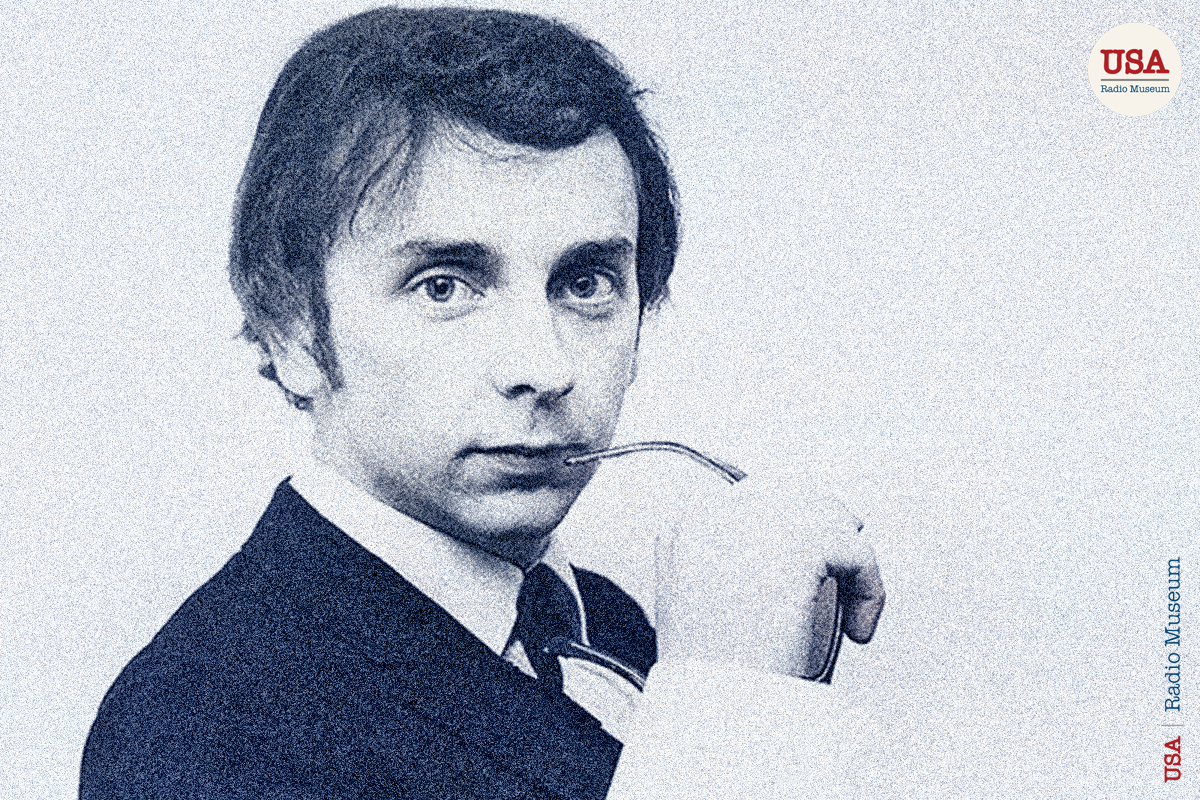
Phil Spector: A Story of Innovation, Impact, and the Shadows That Followed the Genius A USA Radio Museum Feature Article Phil Spector remains on
Phil Spector: A Story of Innovation, Impact, and the Shadows That Followed the Genius
A USA Radio Museum Feature Article
Phil Spector remains one of the most complex figures in American music history—a visionary architect of sound whose innovations shaped the very DNA of 1960s pop and Top 40 radio, yet a man whose life ended in a California prison after his conviction for the murder of actress Lana Clarkson. His death in 2021 closed the final chapter on a troubled personal story, but the musical legacy he left behind continues to echo across the airwaves, in the grooves of classic vinyl, and in the memories of millions who first heard his productions blasting from transistor radios during pop’s most explosive decade.
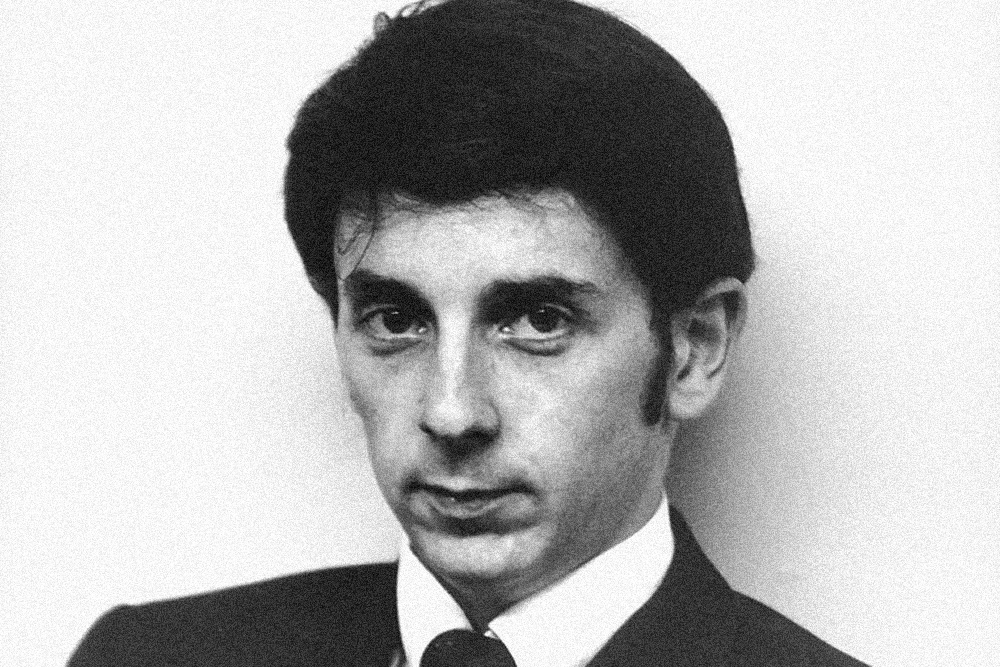 To understand the sound of early‑to‑mid 1960s American radio—the shimmer, the drama, the emotional tidal wave packed into two minutes and forty seconds—you must understand Phil Spector. He didn’t just produce records; he sculpted them. He built sonic cathedrals. He turned the recording studio into an instrument long before that idea became commonplace. And he did it with a roster of artists who became inseparable from the era itself: Ray Peterson, Curtis Lee, The Paris Sisters, Bobby Sox & The Blue Jeans, Darlene Love, The Blossoms, Ike & Tina Turner, The Crystals, and The Ronettes, whose “Be My Baby” remains one of the most recognizable openings in pop history.
Spector’s “Wall of Sound” was more than a production technique—it was a cultural event. It was the sound of AM radio at full emotional throttle, the soundtrack of teen life in the Kennedy years, and a defining force in the evolution of pop music. His records were built for radio, mixed for radio, and perfected for radio. DJs loved them because they leapt out of the speaker. Teenagers loved them because they felt bigger than life. And musicians loved them because they were unlike anything anyone else was doing.
Yet Spector’s influence didn’t stop with the American charts. His reputation carried across the Atlantic, where four young men from Liverpool—already conquering the world—took notice. By the end of the decade, Spector would be working with the Beatles themselves, a collaboration that would prove both historic and contentious. His involvement with the Let It Be album, and the friction that followed—particularly with Paul McCartney—remains one of the most debated chapters in Beatles lore. McCartney was famously unhappy with Spector’s orchestral and choral overdubs on “The Long and Winding Road,” and although accounts vary, it is widely reported that Paul attempted to halt or reverse Spector’s alterations. Whether one views Spector’s work on Let It Be as a rescue job or an overreach, it cemented his place in the Beatles’ complex final act.
But before the Beatles, before the controversies, before the headlines, there was the sound—the unmistakable, towering sound that defined an era. — USA RADIO MUSEUM
_____________________
The Early Years: A Producer in the Making
Born in the Bronx in 1939, Spector moved with his mother to Los Angeles after the death of his father—a tragedy that would shadow him for the rest of his life. But it was in Los Angeles, amid the post‑war boom and the rise of West Coast youth culture, that Spector found the two forces that would define him: music and the recording studio.
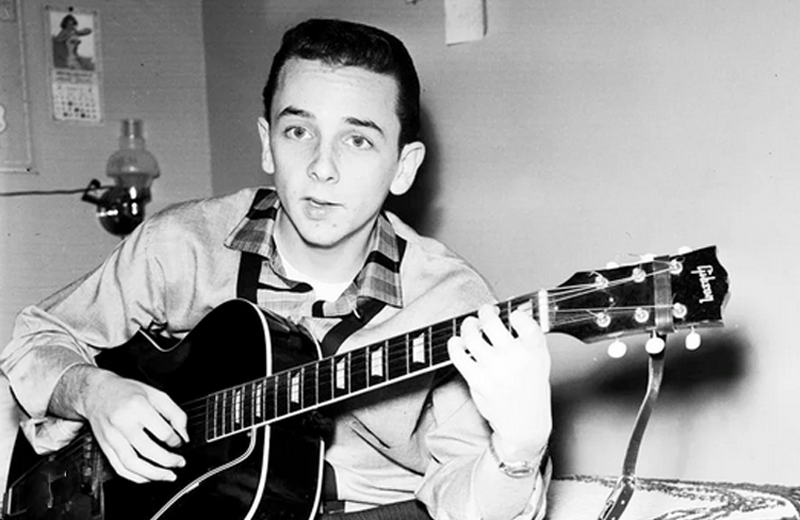
Phil Spector, 1952.
As a teenager, he was drawn to the emotional immediacy of rhythm and blues, the tight harmonies of doo‑wop, and the raw energy of early rock ’n’ roll. He studied records the way others studied textbooks, dissecting arrangements, vocal blends, and the way certain songs seemed to leap out of the speaker. He was fascinated not just by the music itself, but by how it was captured—how microphones, echo chambers, and mixing boards could shape emotion.
By the time he formed The Teddy Bears in 1958, Spector was already thinking like a producer. Their hit “To Know Him Is to Love Him” became a No. 1 record when Spector was just 19. But instead of pursuing a career as a performer, he gravitated behind the glass, where he felt the real magic happened.
The Birth of the Wall of Sound
Working primarily at Gold Star Studios in Los Angeles, Spector began experimenting with layering: multiple guitars playing the same part, doubled pianos, percussion stacked on percussion, strings woven into the rhythm section, and vocals supported by choirs that seemed to rise like a tidal wave. He used echo chambers not as effects but as architectural spaces, building depth and resonance that felt cinematic.
This approach became known as the Wall of Sound, a term that would follow him for the rest of his life. It was dense, dramatic, and unmistakably his. And it was designed with a specific medium in mind: AM Top 40 radio.
In an era when most listeners heard music through small transistor speakers, Spector understood that clarity wasn’t the goal—impact was. His records didn’t just play; they hit. They filled the limited sonic space with emotion, urgency, and grandeur. DJs loved them because they made their stations sound bigger. Teenagers loved them because they felt like the soundtrack to their own inner dramas.
By the early 1960s, Spector had become the first true superstar producer—an auteur in an industry that rarely credited the person behind the console.
The Artists Who Defined an Era
Spector’s rise coincided with a golden age of vocal groups, and he had an uncanny ability to match the right song, the right arrangement, and the right voice.
 Ray Peterson brought emotional vulnerability to Spector’s early productions. Curtis Lee benefited from Spector’s ability to modernize doo‑wop. The Paris Sisters showcased the intimate, whisper‑soft side of the Wall of Sound. Bobby Sox & The Blue Jeans captured youthful exuberance. Darlene Love, with her powerhouse voice, became one of Spector’s defining instruments. The Crystals delivered some of the most iconic girl‑group hits of the decade. The Ronettes, led by Ronnie Bennett, became Spector’s ultimate muse. Spector’s work with The Righteous Brothers — including the monumental “You’ve Lost That Lovin’ Feelin’” — stands among the most enduring achievements of the Wall of Sound. And Ike & Tina Turner gave him “River Deep – Mountain High,” a record he considered his masterpiece.
Each artist brought something unique, but all were transformed by Spector’s vision.
Radio: The Medium That Made the Message
The early 1960s were the golden age of AM Top 40 radio. Stations like WABC, KFWB, KRLA, and WLS were cultural powerhouses, shaping national taste and creating instant stars. DJs were celebrities, countdowns were rituals, and the transistor radio was a teenager’s most prized possession.
Spector didn’t just fit into this world — he defined it.
His records were engineered for radio’s limitations and strengths. The Wall of Sound wasn’t meant for pristine hi‑fi systems; it was meant for car speakers, kitchen radios, and the tiny handheld sets teenagers carried to the beach. The density of his arrangements created a fullness that cut through static, compression, and narrow broadcast bandwidth.
When a Spector record came on, listeners didn’t need to be told who produced it. They knew instantly.
Spector and the Beatles: A Brilliant, Fractured Partnership
By the late 1960s, the Beatles were unraveling. The Let It Be sessions—originally intended as a back‑to‑basics project—had become a source of tension and creative exhaustion. When the band abandoned the tapes, Apple Records brought in Phil Spector to salvage the material.
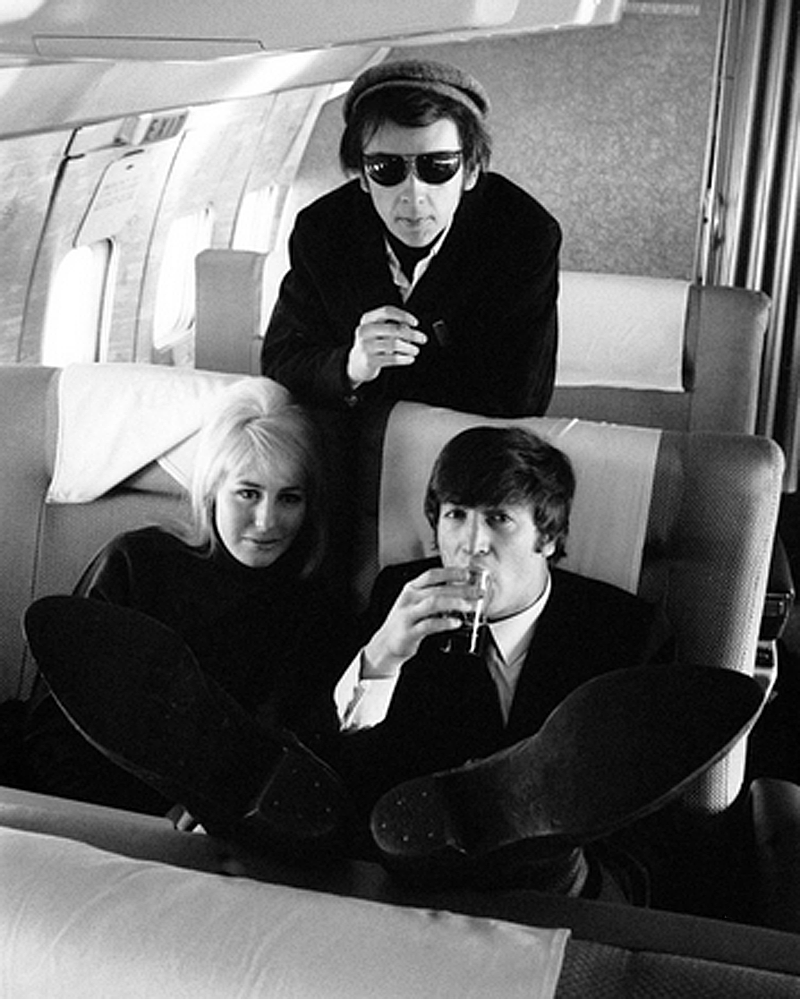
Phil Spector with Cynthia and John Lennon, 1965.
Spector approached the project the only way he knew how: with grandeur. He added orchestral and choral overdubs to several tracks, most famously “The Long and Winding Road.” John Lennon and George Harrison supported his involvement, but Paul McCartney was furious. He felt the additions violated the spirit of the sessions and the band’s agreement to keep the album raw and unembellished.
Although stories vary, it is widely reported that McCartney attempted to block or reverse Spector’s changes—issuing formal objections and demanding that the album not be released in its altered form. His frustration over Spector’s involvement became one of the many factors fueling the Beatles’ final breakup.
Yet despite the controversy, Let It Be won Spector a Grammy and cemented his place in Beatles history. His work on George Harrison’s All Things Must Pass and John Lennon’s Imagine further demonstrated his ability to shape the sound of the early 1970s.
A Legacy of Brilliance and Turmoil
Phil Spector’s legacy remains one of the most dazzling and conflicted in the history of American music. His Wall of Sound — that towering, orchestral force of echo, density, and emotional voltage — reshaped the very idea of what a record could be. Yet the same intensity that fueled his genius also shadowed his life with turbulence and controversy, creating a duality that history continues to wrestle with.
His personal life was equally complex. Spector married Veronica “Ronnie” Bennett, the magnetic lead singer of The Ronettes, whose voice helped define the very sound he was building. Their marriage, like his career, was marked by both creative brilliance and deep turmoil — a relationship that produced immortal music even as it carried profound personal cost.
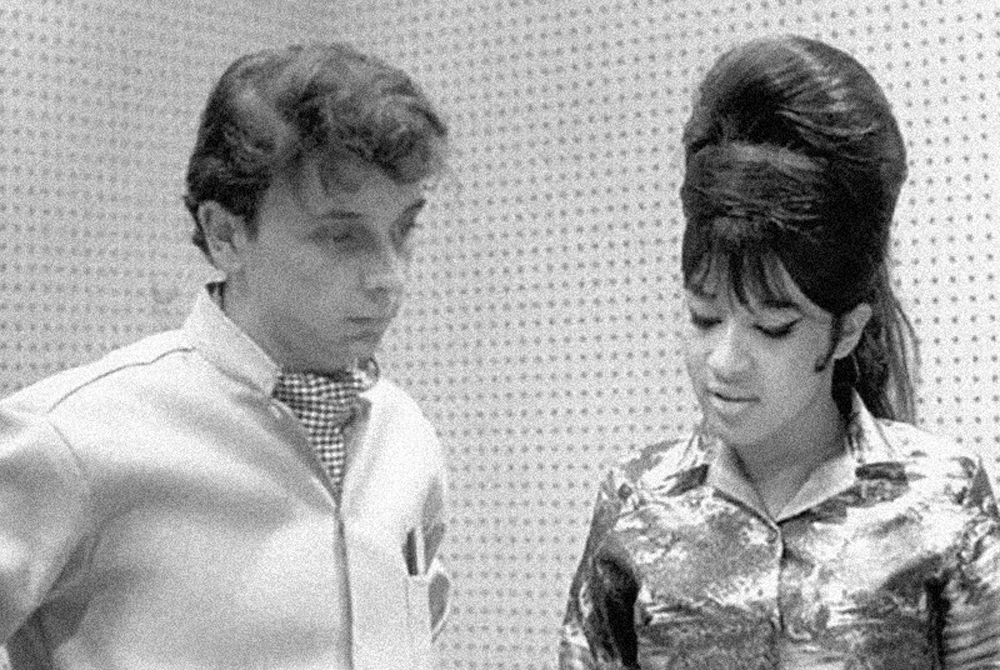
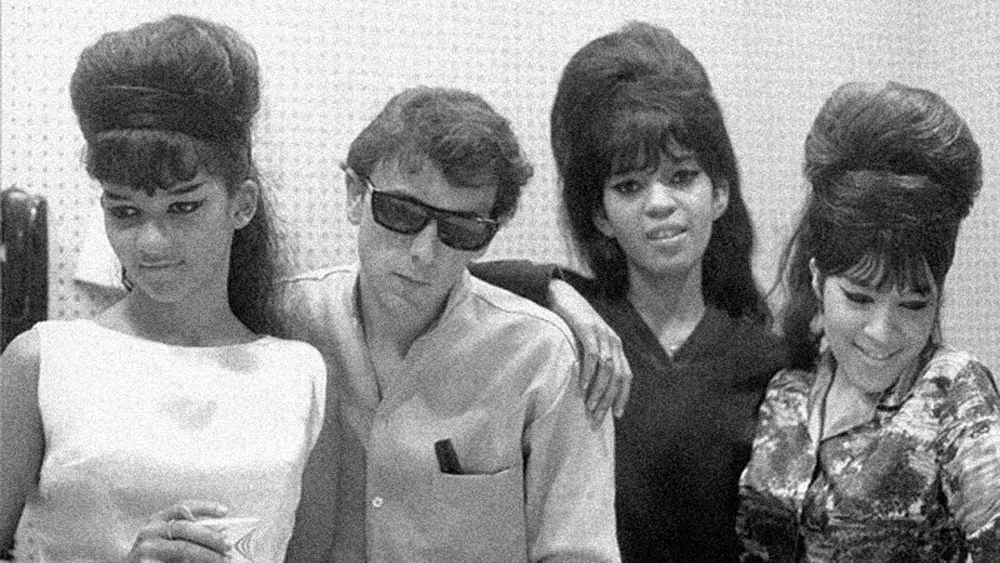
Phil Spector with Veronica Bennett, lead singer of the Ronettes, in studio, 1963.
That story reached its final chapter on January 16, 2021, when Spector passed away at the age of 81. His death closed the book on a life defined by extremes: the brilliance of a studio architect who built sonic cathedrals, and the turmoil that ultimately consumed his later years. What remains, unshakably, is the influence — the sound that changed everything.
Even in the 1970s, long before the full arc of his life was known, radio visionaries recognized the magnitude of his contribution. When Drake‑Chenault produced the expanded 1978 edition of The History of Rock & Roll, Bill Drake recorded a newly added tribute segment honoring Spector’s revolutionary impact. It was a moment of one giant saluting another: the architect of Boss Radio acknowledging the architect of the Wall of Sound. Drake’s voice, steady and authoritative, framed Spector not merely as a hitmaker but as a studio visionary whose innovations permanently altered the DNA of rock and roll.
_____________________
KHJ 930 | The History of Rock n’ Roll | Tribute to Phil Spector | Drake/Chenault (1978)
Audio Digitally Remastered by USA Radio Museum
_____________________
For this feature, the USA Radio Museum re‑introduces Drake’s 1978 tribute — a rare and historically significant broadcast moment that deserves to be heard again. It stands as both a time capsule and a reminder that some creative forces echo far beyond their era, their influence reverberating long after the final note fades.
By 1989, the industry had already acknowledged his seismic influence, inducting him into the Rock & Roll Hall of Fame for the Wall of Sound innovations that forever altered the craft of record‑making.
Conclusion: The Sound That Still Echoes
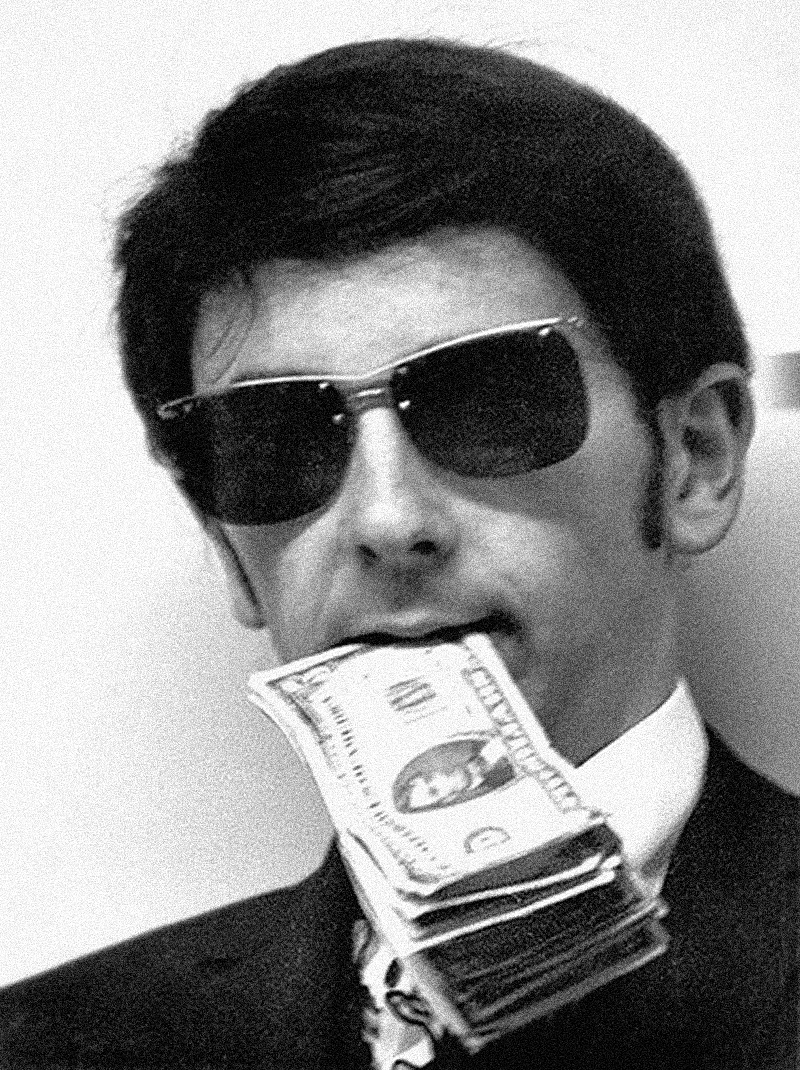 Phil Spector’s life was a study in contrasts: brilliance and chaos, innovation and destruction, triumph and tragedy. But when we focus on the music — the records that poured from radios across America during the 1960s — we hear something extraordinary.
We hear ambition. We hear emotion. We hear the birth of modern pop production. We hear the sound of an era.
For millions of listeners, Spector’s records were the soundtrack of youth. For musicians and producers, they were a revelation. For radio, they were a revolution.
And for history, they remain a testament to what can happen when one person dares to imagine sound not as a recording, but as an experience.
Phil Spector’s life may have ended in darkness, but his music continues to shine — echoing through time, through memory, and through every speaker that still carries the Wall of Sound into the world.
_____________________
Sources & Credits
Research for this feature drew from multiple historical and public‑record sources, including the 1978 expanded edition of The History of Rock & Roll produced by Drake‑Chenault (featuring Bill Drake’s tribute to Phil Spector); biographical information on Phil Spector and Veronica “Ronnie” Bennett from the Rock & Roll Hall of Fame (https://www.rockhall.com); reporting on Spector’s passing from The New York Times (https://www.nytimes.com); archival documentation on The Ronettes and Spector’s production legacy from AllMusic (https://www.allmusic.com); and widely available scholarship on the Wall of Sound, its techniques, and its cultural impact. Additional context was informed by public domain interviews, industry histories, and long‑standing musicological analysis.
Contact: jimf.usaradiomuseum@gmail.com
_____________________
A USARM Viewing Tip: On your PC? Mouse/double-click over the images for expanded views. On your mobile or tablet device? Finger-tap all the above images inside the post and stretch image across your device’s screen for LARGEST digitized view. Then click your browser’s back arrow to return to the featured post.
© 2026 USA Radio Museum. All Rights Reserved.
