
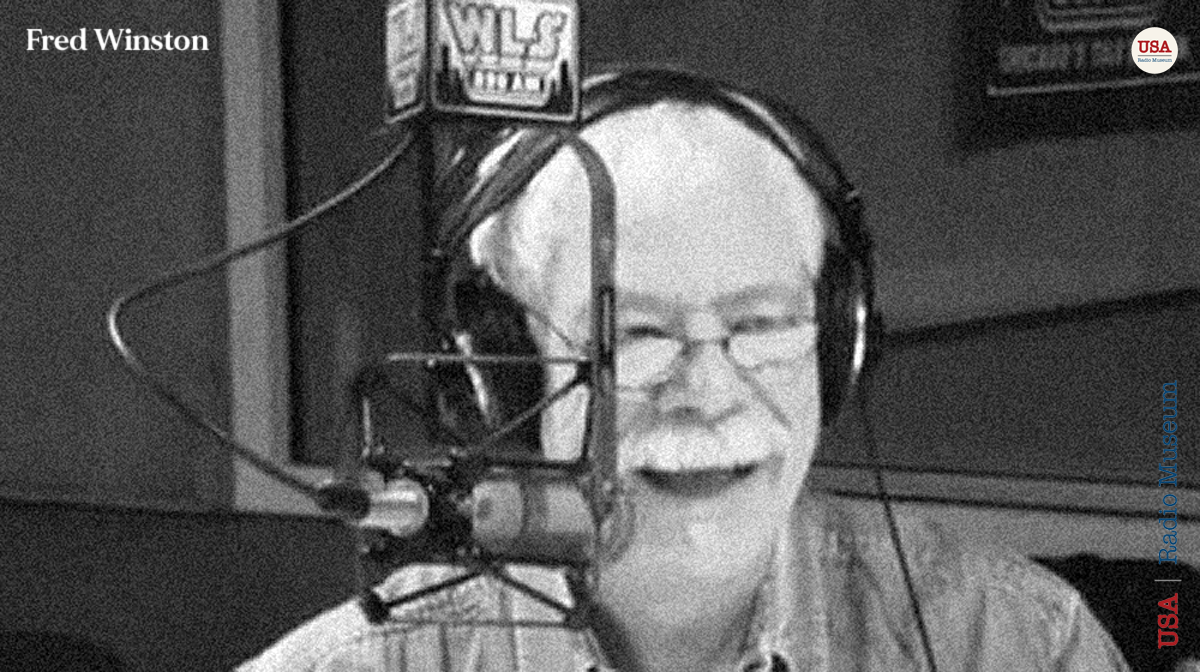
Winston: He was the Big Voice of the Chicago Airways Introduction: A Voice That Became Part of the City Some radio voices become familiar. A few
Winston: He was the Big Voice of the Chicago Airways
Introduction: A Voice That Became Part of the City
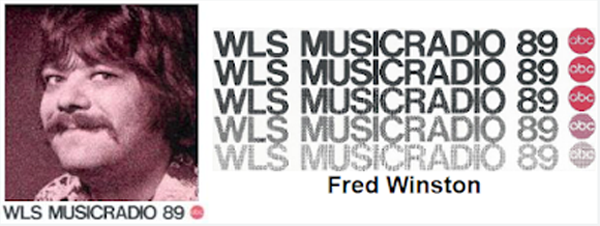 Some radio voices become familiar. A few become beloved. And then there are the rare ones — the voices that become part of the cultural fabric of a city. Fred Winston was one of those voices. For decades, he was a defining presence on Chicago radio, a master of personality‑driven broadcasting, and one of the most recognizable talents ever to sit behind a microphone at WLS‑AM 890.
His voice was unmistakable: rich, resonant, warm, and full of life. But what made Fred Winston truly special wasn’t just the sound — it was the spirit behind it. He was funny without trying too hard, authoritative without being overbearing, and effortlessly human in a medium that rewards authenticity above all else.
This is the story of a broadcaster who shaped an era, entertained millions, and left a legacy that continues to echo across the airwaves. — USA RADIO MUSEUM
_____________________
Finding the Voice Before the Spotlight
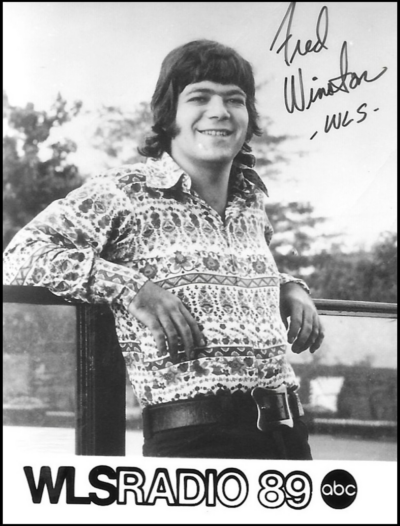
Courtesy: Ted G. Smucker Collection.
Long before he became one of the defining voices of WLS, Fred Winston was learning the craft the way so many great broadcasters did: by doing the work. He bounced through stations across the country, absorbing the rhythms of Top 40 radio, sharpening his comedic instincts, and discovering how to connect with an audience he couldn’t see.
Even in those early years, Winston had the kind of voice that made program directors stop what they were doing. It was deep, resonant, and full of character — the kind of voice that didn’t just announce a record, but introduced it. But Winston understood something that separated him from the pack: a great voice is only the beginning. What mattered was how you used it.
He learned pacing. He learned timing. He learned how to land a joke without stepping on the post. And he learned that radio wasn’t about perfection — it was about presence. By the time Chicago came calling, he wasn’t just ready. He was inevitable.
WLS: The Big 89 and the Big Voice
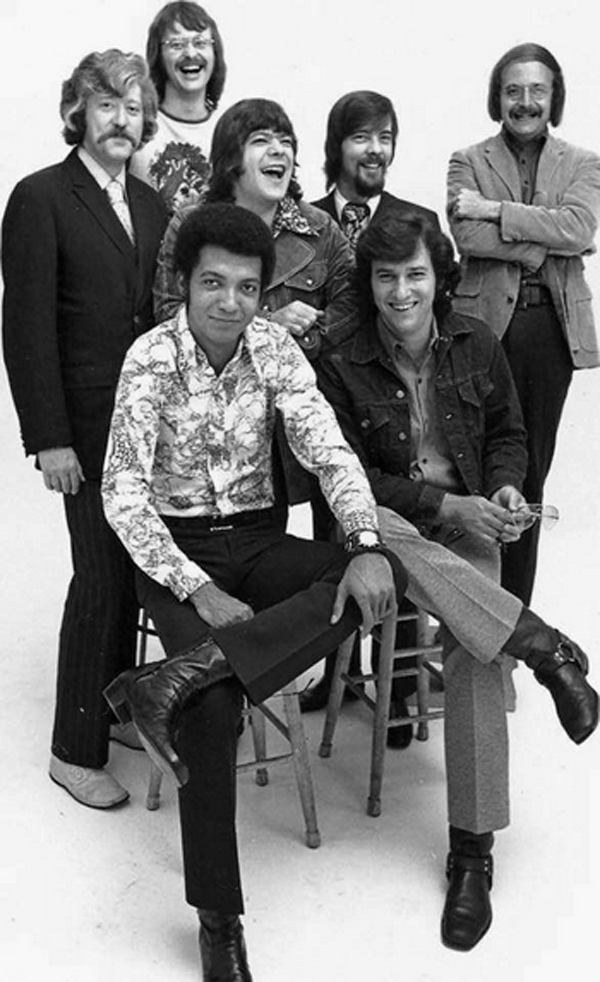
WLS 1972 Big 89 jocks: (F.) Bill Bailey, John Landecker, (B.) Dick Sainte, Chuck Knapp, Fred Winston, Charlie Van Dyke, J. J. Jeffrey.
When Fred Winston walked into the studios of WLS‑AM 890 in the 1970s, he entered a world unlike any other. WLS wasn’t just a radio station — it was a cultural force, a 50,000‑watt blowtorch whose nighttime signal reached dozens of states. It was the home of giants: Larry Lujack, John Records Landecker, Tommy Edwards, Yvonne Daniels, Bob Sirott. To thrive there required more than talent. It required presence.
Winston had it in abundance.
A Voice Built for the Format
WLS was fast, loud, and electric. The jocks had to hit tight posts, deliver crisp one‑liners, and keep the energy high without ever sounding rushed. Winston excelled at this. His timing was impeccable, his humor effortless, his delivery smooth and confident. He could make a simple station ID sound like a headline.
But what made him special wasn’t just the mechanics. It was the warmth behind the voice. Winston sounded like someone you knew — someone you wanted to spend time with. He could be bold without being brash, funny without being forced, and authoritative without being overbearing.
A Personality That Connected
Listeners didn’t just hear Fred Winston. They felt him. He had that rare ability to make radio feel personal, even when broadcasting to millions. He spoke to listeners, not at them. He made them laugh, made them think, made them feel like they were part of the show.
In a city that values authenticity above all else, Winston was the real thing.
A Perfect Fit in a Legendary Lineup
Winston didn’t just survive at WLS — he thrived. He became one of the station’s signature voices, a key part of the Big 89’s identity during its most influential years. His presence helped define the sound of Chicago radio at a time when the medium was at its cultural peak.
For many listeners, Fred Winston was WLS.
Beyond the Big 89: A Chicago Radio Mainstay
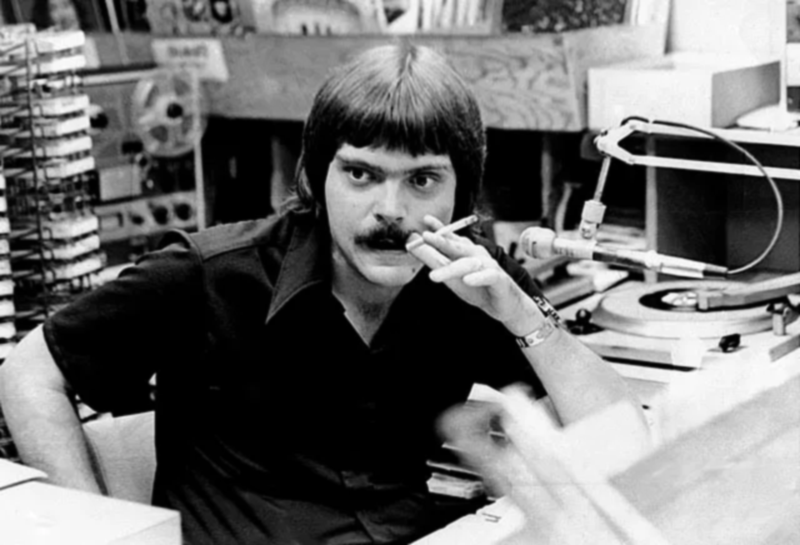 While WLS was the chapter that cemented his legacy, Fred Winston’s career extended far beyond the Big 89. He became a fixture across Chicago radio, bringing his signature sound and personality to stations including WMAQ, WFYR, WJMK, and WLS‑FM.
A Broadcaster Who Could Do It All
Winston wasn’t confined to one format. He could do Top 40, oldies, adult contemporary, or personality‑driven morning radio with equal skill. His adaptability was one of his greatest strengths. He understood the medium deeply enough to thrive anywhere.
A Voice Heard Everywhere
If you lived in Chicago during his peak years, you heard Fred Winston even when you weren’t listening to his show. His voice became a staple of local advertising — trusted, familiar, and instantly recognizable. He could sell a product without sounding like he was selling anything. That’s a rare gift.
A Colleague Everyone Respected
Inside the industry, Winston was known for his kindness, generosity, and professionalism. He supported younger broadcasters, treated colleagues with respect, and carried himself with humility despite his stature. He was the kind of talent who made a station better simply by being there.
A Surprising Honor: The Emmy Nomination
In 1992, Fred Winston received a Primetime Emmy nomination for Outstanding Individual Achievement in Art Direction for a Series for his work on Murder, She Wrote. It was an unexpected footnote in a career defined by radio, but it spoke to his creative range and his willingness to explore new avenues.
Winston never bragged about the nomination. That wasn’t his style. But it remains a testament to the breadth of his talent — and a delightful surprise for anyone who thought they knew everything about him.
Stepping Back Without Stepping Away
By the mid‑2000s, Winston began easing out of full‑time broadcasting. He had spent decades behind the microphone, shaping the sound of Chicago radio, and he had earned the right to slow down. But he never fully left the world he loved.
In a 2018 interview, he described himself as “retired,” though he said it with the tone of someone who still felt the pull of the studio. He continued to lend his voice to occasional projects, appeared in retrospectives, and remained a beloved figure among fans and colleagues.
Today, he lives in southwest Michigan, enjoying a quieter life while still reflecting on the career that made him a legend. And yes — Fred Winston is still with us, still sharp, still warm, still very much the man listeners remember.
The Craft Behind the Voice
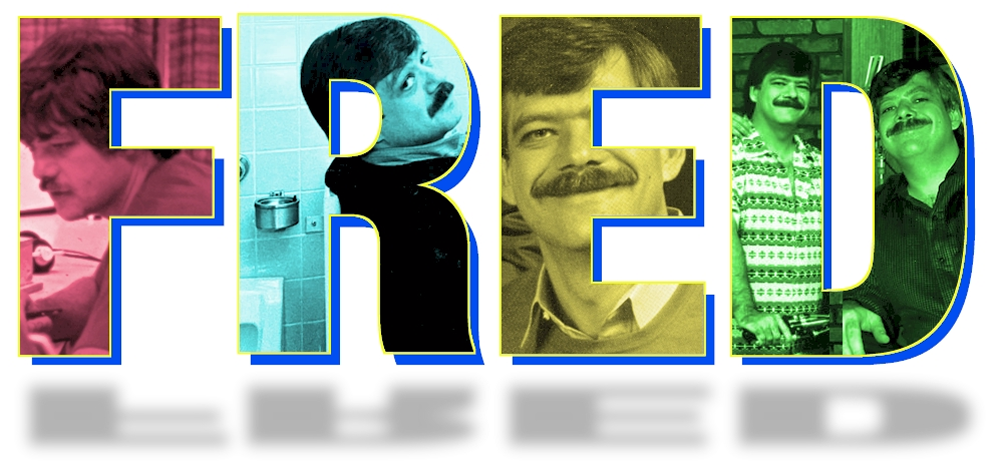 Fred Winston’s greatness wasn’t accidental. It was the result of skill, instinct, and a deep understanding of what makes radio special.
He had a comedian’s sense of timing — the ability to deliver a line at the perfect moment. He had a musician’s sense of rhythm — knowing when to speak, when to pause, when to let the moment breathe. He had a storyteller’s sense of connection — making listeners feel like they were part of something.
And above all, he had humanity. He understood that radio is a human medium. Technology changes, formats evolve, but the heart of radio remains the same: one person speaking to another. Winston embodied that truth every time he cracked the mic.
A Legacy That Endures
Fred Winston’s influence continues to resonate across the industry. His airchecks circulate among fans and historians. His style shaped generations of broadcasters. His name still evokes admiration, respect, and affection.
He represents the best of American radio — the era when personality mattered, when the DJ was a star, when the connection between host and listener was intimate and real.
For those who grew up with him, he wasn’t just a voice on the radio. He was a companion. A friend. A part of their lives.
_____________________
WLS | Fred Winston | October 18, 1974
Audio Digitally Enhanced by USA Radio Museum | The Ted Gorden Smucker Collection
_____________________
The Man Behind the Microphone
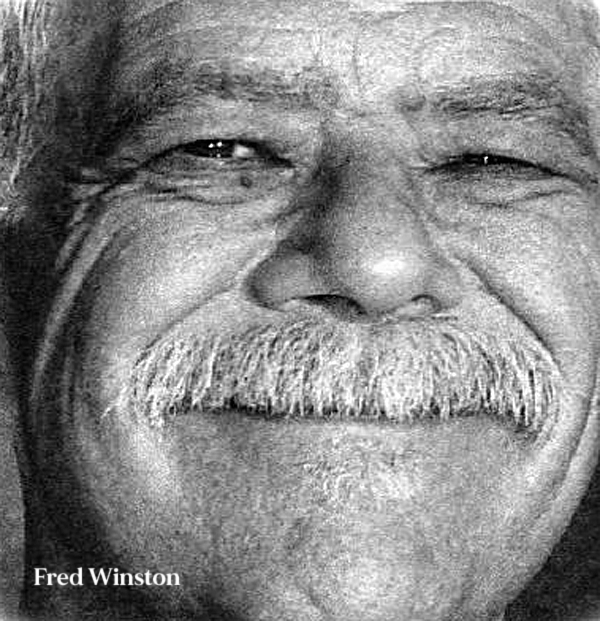 Fred Winston was more than a broadcaster. He was a storyteller, a humorist, a craftsman, and a master of the medium. He brought joy to millions, helped define one of the most iconic stations in American history, and left behind a legacy that continues to inspire.
The Big 89 had many stars. Fred Winston was one of its brightest. In an age when radio is constantly evolving, the example he set — authenticity, connection, professionalism, and heart — remains as relevant as ever.
And for those who heard him — late at night, early in the morning, or anywhere in between — he will always be remembered not just as a voice, but as a favorite radio presence on the Chicago broadcasting dial.
______________________________
About This Profile
This tribute draws from decades of interviews, archival airchecks, industry publications, and personal reflections from Fred Winston himself. Conversations recorded between 2018 and 2025, including long‑form interviews from his home in southwest Michigan, provide insight into his career, his philosophy, and his life after radio. Chicago radio archives — from WLS to WMAQ to WJMK — offer a living record of his sound and style. Trade publications and Emmy records confirm key milestones, including his 1992 nomination for Murder, She Wrote.
The USA Radio Museum synthesized these materials into a cohesive portrait of a broadcaster whose influence continues to echo across the airwaves.
A Special Acknowledgment: The featured WLS/Fred Winston recording is courtesy and was provided by Ted Gorden Smucker. We appreciate his support and kind generosity.
______________________________
Contact: jimf.usaradiomuseum@gmail.com
______________________________
A USARM Viewing Tip: On your PC? Mouse/click over each image for expanded views. On your mobile or tablet device? Finger-tap all the above images inside the post and stretch image across your device’s screen for LARGEST digitized view. Then click your brower’s back arrow to return to the featured post.
© 2026 USA Radio Museum. All rights reserved.

Dept. of Corrections: That’s Dick Sainte, not Bob Sirott, in the 1972 air staff photo!
Subject: Thank You for the Catch, Greg — Correction Made!
Hi Greg,
Thank you so much for reaching out and for your sharp eye. You were absolutely right — that was Dick Sainte in the 1972 WCFL air staff photo, not Bob Sirott as I had originally identified. I’ve made the correction, and we truly appreciate you calling out the misidentification.
Your attention to detail helps us keep the historical record accurate, and we’re grateful for it.
Warm regards, Jim Feliciano
USA Radio Museum