
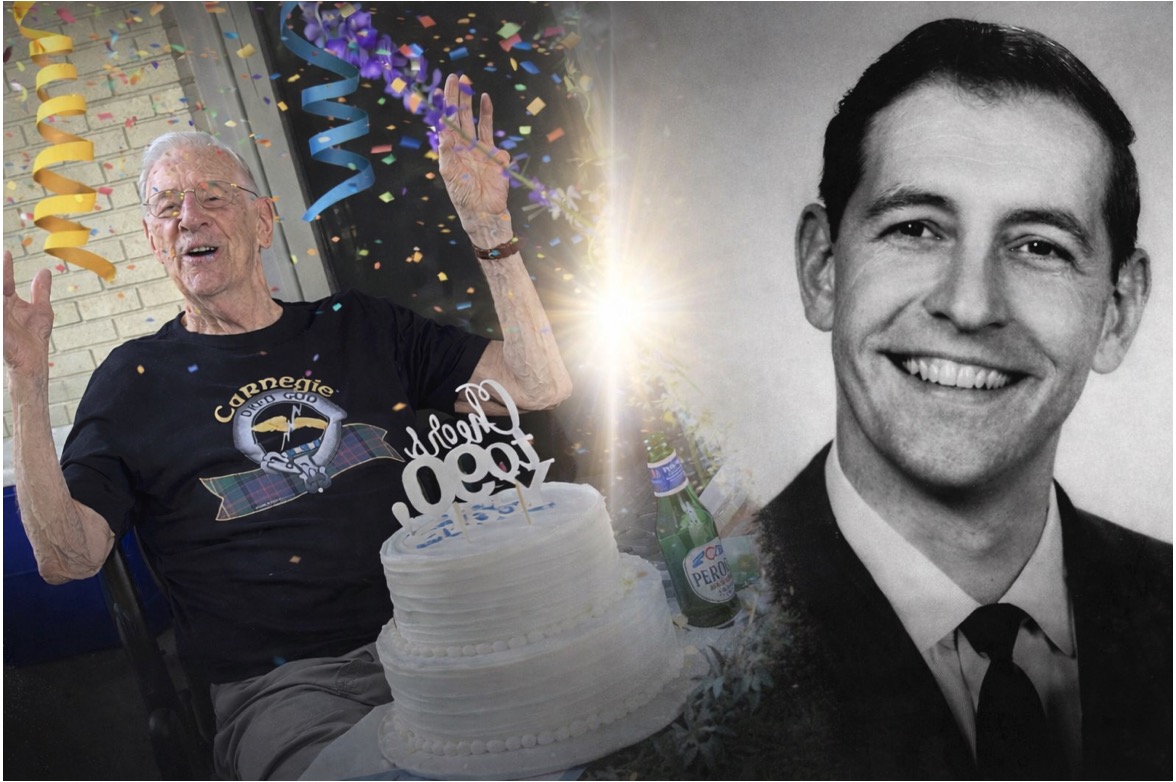
Few figures in Detroit radio history were as influential—and as understated—as Paul Cannon, born Paul Carnegie. While on-air stars often captured the
Few figures in Detroit radio history were as influential—and as understated—as Paul Cannon, born Paul Carnegie. While on-air stars often captured the spotlight at WKNR, Keener 13, Cannon was one of the essential “Key Men” whose work behind the scenes helped define one of the most competitive and successful Top 40 radio stations in America.
Cannon’s path to radio was anything but conventional. Before stepping behind a microphone, he served as a Detroit police officer, a job that would ultimately alter the trajectory of his life. While still on the force, he began a part-time radio career at WBRB in Mount Clemens, owned by future broadcasting powerhouses Milton Maltz and Bob Wright. The station operated out of the basement of the Colonial Hotel, and Cannon’s break into broadcasting came abruptly—and memorably.
“They told me, ‘We have a newscast coming up—why don’t you read the news for us on the air,’” Cannon recalled. “That was my baptism.”
An injury sustained while apprehending a murder suspect forced him to reconsider his future in law enforcement. Radio, already a passion, became his full-time pursuit. Hearing of an opening in Dearborn, Cannon sent an audition tape to Frank Maruca and was hired at WKMH, Keener’s predecessor, as a utility man earning about $600 a month.
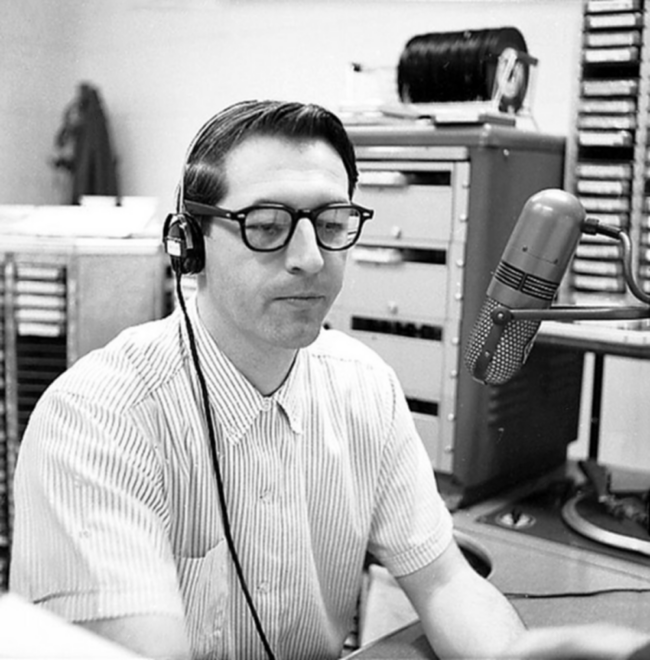
Paul Cannon on-the-air at WKMH
Jim Hampton Interviews Paul Cannon.
From Utility Man to Essential Operator
WKMH in those days was a full-service station, and Cannon did it all—on-air shifts, production, board-operating, and remotes. He even provided crowd noise for baseball recreations, using 12-inch transcription discs to add realism to play-by-play broadcasts constructed from AP wire copy. Much of his time was also spent on location at sponsors like Gene Merolis Chevrolet, the kind of grassroots radio work that built audience loyalty.
The station’s ownership ties to the Detroit Tigers added another dimension. WKMH served as the flagship for the Tiger Radio Network, and Cannon developed a friendship with longtime broadcast engineer Howard Stitzel, leading to unforgettable moments watching games from Ernie Harwell’s catbird seat above the first base line at Tiger Stadium.
Though often associated with Keener’s golden age, Cannon briefly left the station during its transition to WKNR, working at WERB (AM 1090) in Garden City, another Maltz and Wright venture aimed at Detroit’s Westside. It wasn’t long before he returned to Keener, this time firmly entrenched as one of its most reliable behind-the-scenes figures.
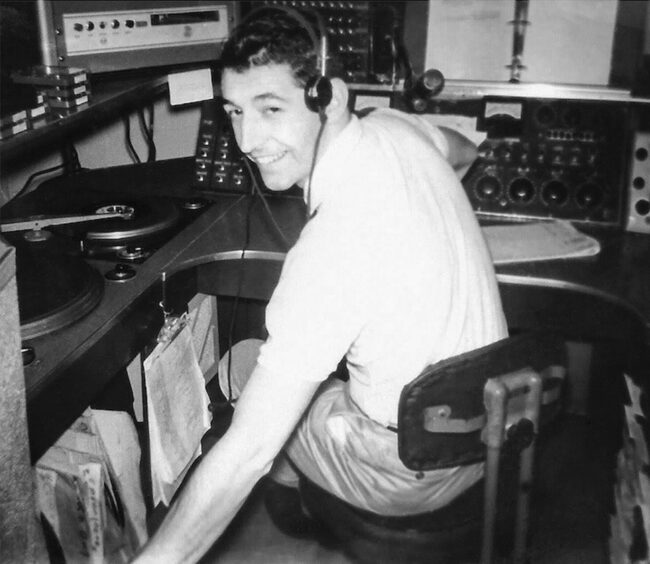
Paul Cannon on-air
(Paul Cannon WKNR on the air December 1967)
Paul Cannon (December 12, 1963)
The Overnight Glue That Held It Together
Cannon worked the 1:00 to 5:00 a.m. overnight shift, six nights a week. Program Director Frank Maruca structured air shifts carefully to keep talent sharp, splitting evenings between Bob Green and Bill Phillips. Cannon’s overnight presence was so consistent that listeners assumed he was on the air seven nights a week. In reality, he taped an extra hour of each show for engineers to run on Sundays—a small but telling example of the operational creativity that kept Keener humming.
Despite possessing what colleague Bob Green described as an “incredible voice and style,” Cannon was rarely a full-time daytime personality. Instead, he became the mortar between the bricks, taking on roles as Music Director and administrator—positions that quietly shaped the station’s sound and discipline.
KEENER is born
On Halloween night—October 31, 1963—everything changed. In just 91 days, WKNR exploded from obscurity to become the most listened-to station on the Detroit dial, a rise so dramatic that radio observer Bill Gavin called it the fastest turnaround in broadcasting history. For the next half-decade, Keener radio dominated the city, powered by a deceptively simple formula: a tight playlist, what former program director Bob Green described as “intelligent flexibility,” constant listener research, imaginative promotions, and high-octane personalities encouraged to push the limits of entertainment. The approach was widely copied—most famously by Drake and Chenault at CKLW and KHJ—but rarely matched. WKNR’s energy burned like a Fourth of July fireworks display—brilliant, unforgettable, and gone far too soon—a brief moment when everything aligned and Detroit radio found its Camelot.
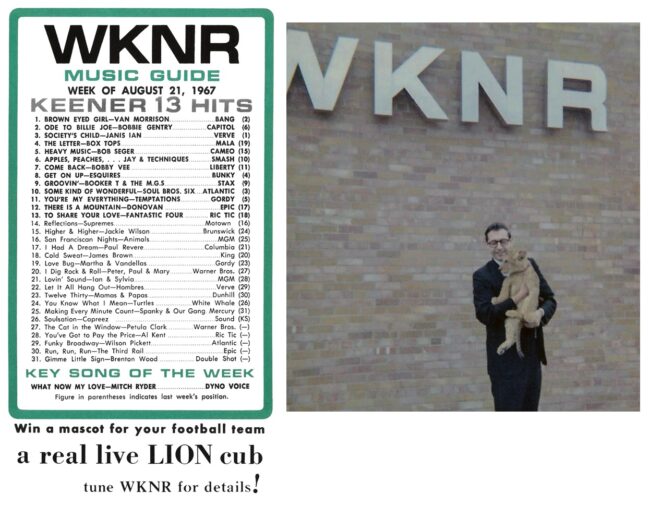
Music Director at the Center of the Storm
When morning host Swingin’ Sweeney exited under less-than-graceful circumstances, Maruca appointed Cannon Music Director. Overnight, he became one of the most sought-after people in Detroit radio. Twenty to twenty-five record promoters cycled through his office weekly, each convinced they were carrying the next guaranteed hit.
To keep order, Cannon set aside a single day each week for promoter meetings, assigning strict time limits. When pitches began running long, he devised a characteristically clever solution: a custom egg timer commissioned from Greenfield Village. When the sand ran out, the meeting was over.
Creating the WKNR Music Guide was a blend of research and instinct. Cannon employed assistants to call record stores weekly for sales data, but he never forgot the station’s mission.
“We were programming a radio station,” he said. “If I heard a record I thought was going somewhere, I’d add it.”
That instinct paid off repeatedly. One promoter famously complained when Cannon added “Snoopy vs. the Red Baron”ahead of more “serious” offerings. It became a massive hit.
Editing Hits—and Making Them
Cannon also played a direct role in shaping what listeners heard—sometimes literally with a razor blade. Content concerns led to edits of records like “The Ballad of John and Yoko,” while length constraints forced creative solutions. His most famous edit was Iron Butterfly’s “In-A-Gadda-Da-Vida,” which he restructured into a tight three-and-a-half-minute version suitable for AM radio.
Atlantic Records liked it so much they released Cannon’s edit as a single.
Beyond Keener: Building a Station
As Keener’s era wound down, Cannon set his sights on ownership. After leaving WKNR in January 1970, he worked briefly as a record promoter while awaiting approval for an FM station in Peoria, Illinois. Construction began in January 1971, and by May, the station signed on as WWTO, later WWCT 106. Cannon ran the operation until 1975, when partnership disputes prompted his exit from day-to-day management.
Radio opportunities in Peoria were limited, and Cannon eventually stepped away from the business, returning occasionally for voice-overs and narration.
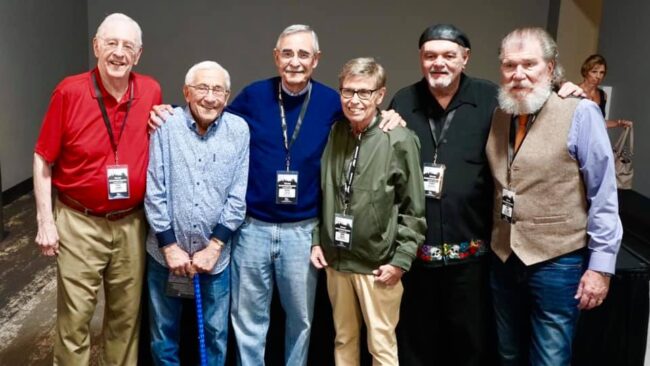
‘Key Men’ Paul Cannon, Robin Seymour, Dick Purtan, Bob Green, Jerry Goodwin, Pat St. John reunite one last time
A Lasting Legacy
Paul Cannon was never the loudest voice on the air—but his influence was everywhere. From overnight continuity to music policy, from format discipline to hit-making instincts, he helped shape Keener 13’s sound during its most competitive years.
In a business often remembered through its stars, Cannon stands as a reminder that radio’s greatest eras were built just as much by the people behind the glass as those behind the microphone.
###
