
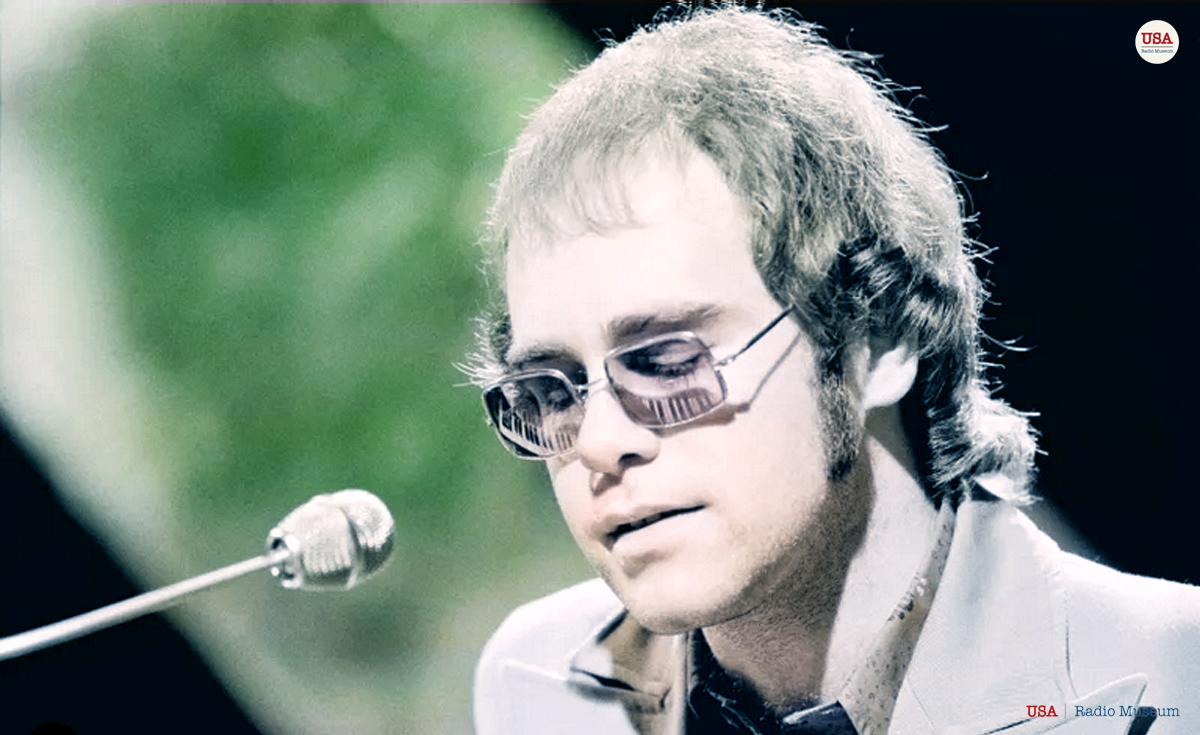
INTRODUCTION: ROCKET MAN (1972): THE SONG THAT LAUNCHED ELTON JOHN INTO THE STRATOSPHERE On this day, 54 years ago, when “Rocket Man (I Think It’s
INTRODUCTION: ROCKET MAN (1972): THE SONG THAT LAUNCHED ELTON JOHN INTO THE STRATOSPHERE
 On this day, 54 years ago, when “Rocket Man (I Think It’s Going to Be a Long, Long Time)” first was launched and rose across American radio on March 3, 1972, it didn’t simply announce a new Elton John single — it signaled the arrival of a new kind of pop storytelling. It was a record that felt both intimate and immense, grounded in human longing yet lifted by cosmic imagination. Inspired by Ray Bradbury’s The Illustrated Man and echoing the space‑age introspection that had begun to shape the early ’70s, the song invited listeners into a world where melody could drift like stardust and emotion could travel farther than any rocket. And as it moved through the airwaves — from AM Top 40 to FM progressive rock — “Rocket Man” became more than a hit. It became a broadcast phenomenon, a shared moment of wonder carried by radio signals that seemed to stretch as far as the story itself. — USA RADIO MUSEUM
_____________________
A Song Born from Science Fiction and Solitude
Bernie Taupin’s lyric drew directly from Ray Bradbury’s short story “The Rocket Man” in The Illustrated Man, a tale not of heroic exploration but of the emotional toll of drifting between worlds. Bradbury’s astronaut is a man suspended between duty and home, longing and distance — a theme Taupin translated into a modern parable of isolation.
Elton John’s composition wrapped that melancholy in warmth. His melody doesn’t soar so much as glide, drifting like a satellite through the quiet spaces of the human heart. The song’s astronaut is not a mythic figure; he is a working man, a commuter, a father who misses his family. In 1972, this was a revelation. Pop music had touched space before — most famously in David Bowie’s “Space Oddity” — but Elton and Bernie grounded their astronaut in humanity. This wasn’t science fiction. It was a ballad of modern life.
1972: A World Ready for a New Kind of Space Song
 The early 1970s were a transitional moment in the space age. The moon landings were behind us, Skylab was still ahead, and the public’s fascination with space was shifting from triumph to contemplation. The world was beginning to understand that exploration came with emotional cost.
“Rocket Man” arrived at exactly the right moment.
Radio programmers sensed it immediately. The song wasn’t a novelty or a gimmick. It was a mood — and radio in 1972 was hungry for mood.
• AM Top 40 embraced its melody and emotional clarity.
• FM progressive rock embraced its atmosphere and storytelling.
• Adult contemporary embraced its introspection and warmth.
Few singles crossed formats as effortlessly as “Rocket Man.” It was a unifier — a rare record that felt at home everywhere.
Radio’s Role: How the Airwaves Turned “Rocket Man” Into a Classic
For the USA Radio Museum, the story of “Rocket Man” is inseparable from the story of radio itself.
Built for the Airwaves
The slow fade‑in, the gentle lift of the chorus, the soaring falsetto, the drifting outro — every element created a sense of space. DJs loved it because it felt like a journey.
A Late‑Night Companion
Across the country, “Rocket Man” became a signature late‑night record. It was the perfect soundtrack for long drives, quiet bedrooms, and the reflective hours after midnight.
Defining Elton John’s Radio Identity
Before “Rocket Man,” Elton John was a rising star. After it, he became a radio essential — an artist whose new releases were events.
A DJ’s Dream for Thematic Sets
Space sets. Journey sets. Songs of longing. Songs of the future. “Rocket Man” fit them all. It was endlessly programmable — a gift to radio.
_____________________
SIDEBAR: “ROCKET MAN” ON THE BILLBOARD CHARTS (1972)
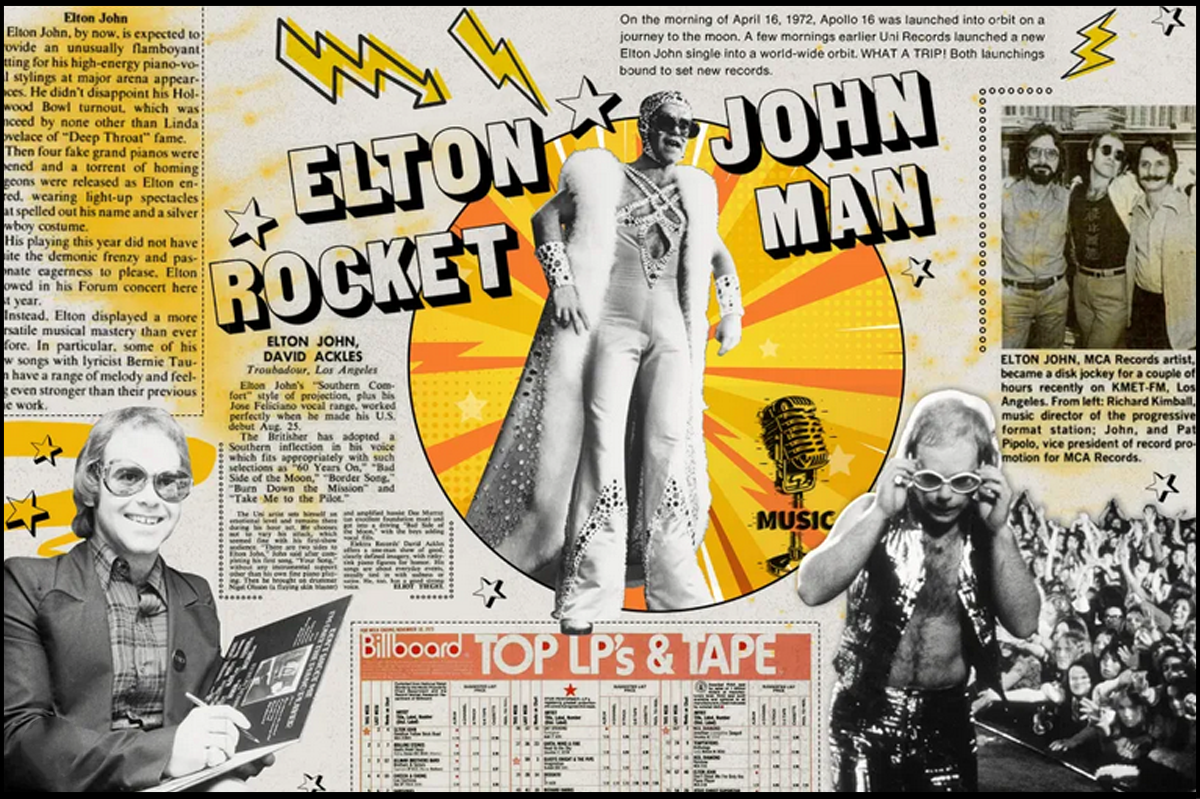
Credit: Billboard
U.S. Billboard Hot 100 Performance
• Debut: No. 35 on May 6, 1972
• Peak Position: No. 6 in the United States
• Total Weeks on Chart: 13 weeks (May–July 1972)
(This reflects the documented chart arc from debut to final week.)
International Context
• U.K. Singles Chart Peak: No. 2
Why This Matters
“Rocket Man” wasn’t just a hit — it was the single that helped cement Elton John as a dominant force on American radio and a rising global superstar. Its Top 10 success across formats made it one of the defining singles of 1972.
ALBUM CONNECTION: HONKY CHÂTEAU (1972)
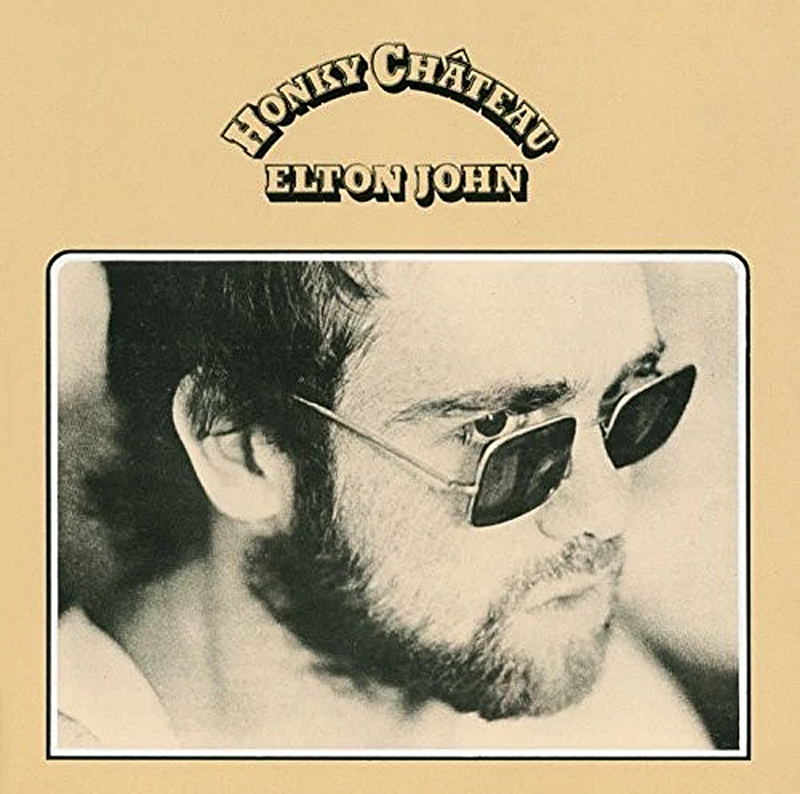
Yes — “Rocket Man” was the lead single from Elton John’s album Honky Château.
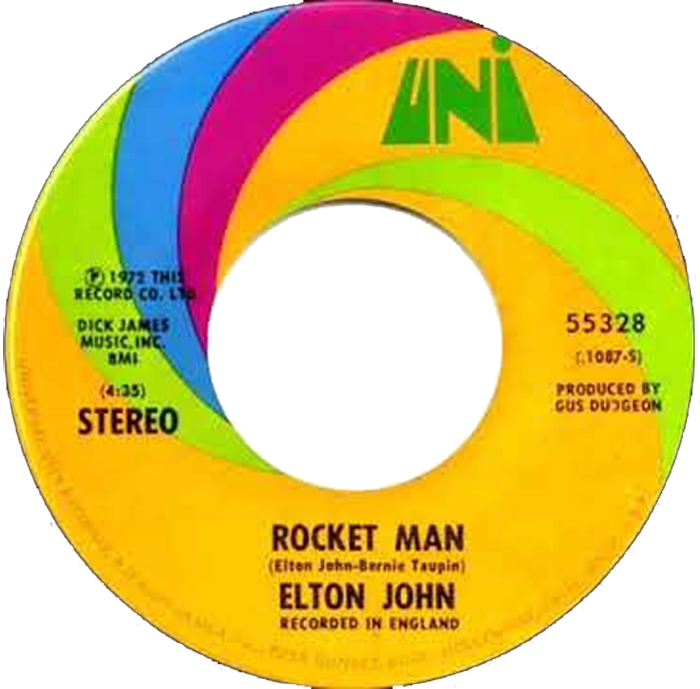
• Single Release: April 17, 1972
• Album: Honky Château
• Album Release: May 19, 1972
• Significance: Elton John’s first U.S. No. 1 album, marking the beginning of his imperial phase.
• Follow‑up Single: “Honky Cat” (also from Honky Château)
This album connection is historically important because Honky Château is widely regarded as the moment Elton John transitioned from rising star to full‑fledged global phenomenon.
_____________________
The Cultural Impact: Why “Rocket Man” Endures
“Rocket Man” didn’t just chart — it stuck. It became part of the cultural vocabulary.
A Metaphor for Modern Life
Listeners heard themselves in the astronaut’s loneliness — in the tension between ambition and home, distance and desire.
A Blueprint for Future Space‑Themed Music
From Peter Schilling’s “Major Tom” to The Killers’ “Spaceman,” the emotional‑astronaut archetype owes a debt to Elton and Bernie.
A Staple of Elton’s Live Legacy
Every tour. Every era. Every reinvention. “Rocket Man” remains one of Elton’s most powerful live moments, often extended into long, improvisational codas that feel like sonic spacewalks.
Kate Bush’s 1991 Cover: A Tribute That Became Its Own Milestone
Nearly twenty years after the original, Kate Bush recorded a reggae‑inflected cover of “Rocket Man” for the 1991 tribute album Two Rooms: Celebrating the Songs of Elton John & Bernie Taupin. Her version was playful, unexpected, and deeply affectionate — and it became a hit in its own right.
For the Museum, Bush’s cover is important because it demonstrates the song’s elasticity. “Rocket Man” is not frozen in 1972. It can be re-imagined, reshaped, and reborn — and still retain its emotional core.
 Why “Rocket Man” Still Resonates in the 21st Century
Half a century later, “Rocket Man” feels more relevant than ever.
• The space age has returned, with new missions and renewed ambition.
• Isolation has become a defining modern experience, making the astronaut’s loneliness universal.
• Elton John’s legacy has only grown, bringing new generations to the song.
• Radio keeps it alive, across classic hits, adult contemporary, soft rock, and beyond.
A 1972 Milestone Worth Preserving
The legacy of “Rocket Man” is not confined to its chart position, its era, or even its creator’s extraordinary career. It lives in the way the song reshaped radio’s emotional vocabulary, inviting listeners to imagine themselves suspended between worlds — longing for home, reaching for something greater, or simply drifting through the quiet spaces of their own lives. It lives in the way DJs embraced it as a late‑night companion, a moment of reflection, a breath between the noise. And it lives in the way each new generation continues to discover it, not as a relic of 1972, but as a living, breathing piece of the human experience. And more than fifty years later, the Rocket Man remains in orbit — its signal still rising through the cosmic static — while terrestrially the song continues to broadcast across formats, generations, and continents, sustained by the loyal Elton John fans who keep requesting it, replaying it, and keeping its frequency alive, even still, some 50 plus years after release.
______________________________
Sources & Credits:
Chart performance for “Rocket Man” was verified through Billboard chart archives and contemporary reporting, including its May 6, 1972 debut at No. 35 and its climb to No. 6 on the Billboard Hot 100, where it remained for a total of 13 weeks . U.K. chart data, confirming the single’s peak at No. 2, was sourced from the Official Charts Company . Release details—including the April 17, 1972 U.S. single release date, its role as the lead single from Elton John’s 1972 album Honky Château*, and its January 16, 1972 recording session at Château d’Hérouville—were confirmed through discographic records and historical documentation . Additional chart‑run specifics, including week‑by‑week movement and total chart duration, were supported by chart‑tracking databases documenting its 13‑week performance in 1972 . Contextual information regarding the song’s inspiration from Ray Bradbury’s “The Rocket Man” and its later 1991 cover by Kate Bush was drawn from established music history sources and verified discographies.*
______________________________
Contact: jimf.usaradiomuseum@gmail.com
______________________________
A USARM Viewing Tip: On your PC? Mouse/click over each image for expanded views. On your mobile or tablet device? Finger-tap all the above images inside the post and stretch image across your device’s screen for LARGEST digitized view.Then click your brower’s back arrow to return to the featured post.
© 2026 USA Radio Museum. All rights reserved.
