
Introduction: When a Nation Leaned Toward the Speaker In the early decades of the 20th century, radio was not merely a medium — it was a national h
Introduction: When a Nation Leaned Toward the Speaker
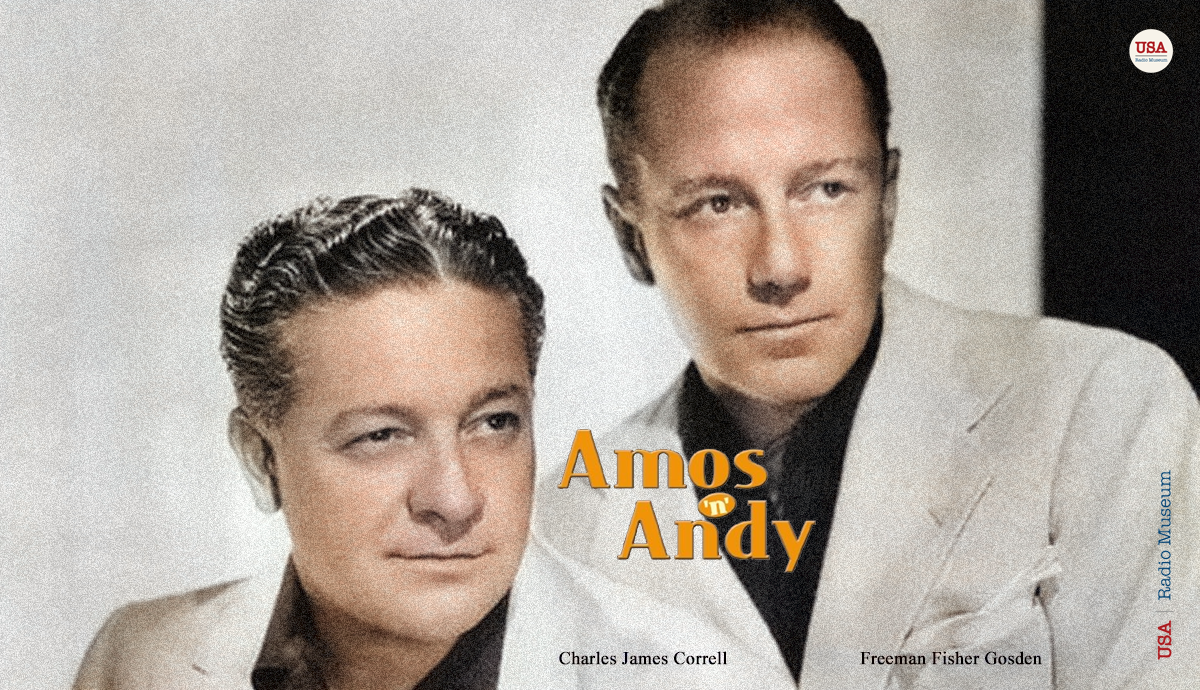
 In the early decades of the 20th century, radio was not merely a medium — it was a national hearth. Families gathered around wooden consoles glowing with warm tubes, listening to voices that stitched together a country still defining itself. Among those voices, none were more dominant, more beloved, or more debated than Amos ’n’ Andy. At its peak in 1930–31, the show drew an estimated 40 million nightly listeners, commanding nearly three‑quarters of the national radio audience. Movie theaters paused their projectors. Department stores piped the show through loudspeakers. Traffic slowed. America listened.
Behind this cultural earthquake were two white performers — Freeman Fisher Gosden and Charles James Correll — voicing Black characters in a style rooted in minstrel tradition. Their work helped define the sound and structure of early radio comedy, even as it perpetuated stereotypes that would later spark deep criticism.
The USA Radio Museum preserves this story not to sanitize it, but to understand it. Amos ’n’ Andy is a foundational chapter in American broadcasting — a story of innovation, influence, contradiction, and cultural reckoning. And thanks to the Museum’s stewardship of 397 surviving broadcasts, this history remains accessible for study, reflection, and dialogue. — USA RADIO MUSEUM
_____________________
Early Lives: Two Performers, One Path Toward Radio
Freeman Fisher Gosden (1899–1982)
Born May 5, 1899, in Richmond, Virginia, Freeman Gosden grew up in a working‑class household and served in the U.S. Navy during World War I. After the war, he gravitated toward entertainment, discovering a talent for character voices, dialects, and comedic timing. His ability to shift rapidly between personalities would become a defining feature of his radio work.
Charles James Correll (1890–1972)
Charles Correll was born February 2, 1890, in Peoria, Illinois. Before entering show business, he worked as a stenographer, bricklayer, and theater usher. His early exposure to minstrel‑style performance — then a dominant entertainment form — shaped his comedic instincts and vocal style. Correll’s versatility and timing made him a natural complement to Gosden.
A Partnership Forged in Performance
The two met while working for the Joe Bren Producing Company in North Carolina. They discovered a shared comedic rhythm and a knack for rapid‑fire dialogue. Their chemistry was immediate, and their partnership formed at a moment when radio was exploding into a national force. They were ready — and the medium was ready for them.
How They Entered Radio: From “Sam ’n’ Henry” to a National Sensation
Sam ‘n’ Henry, late 1920s
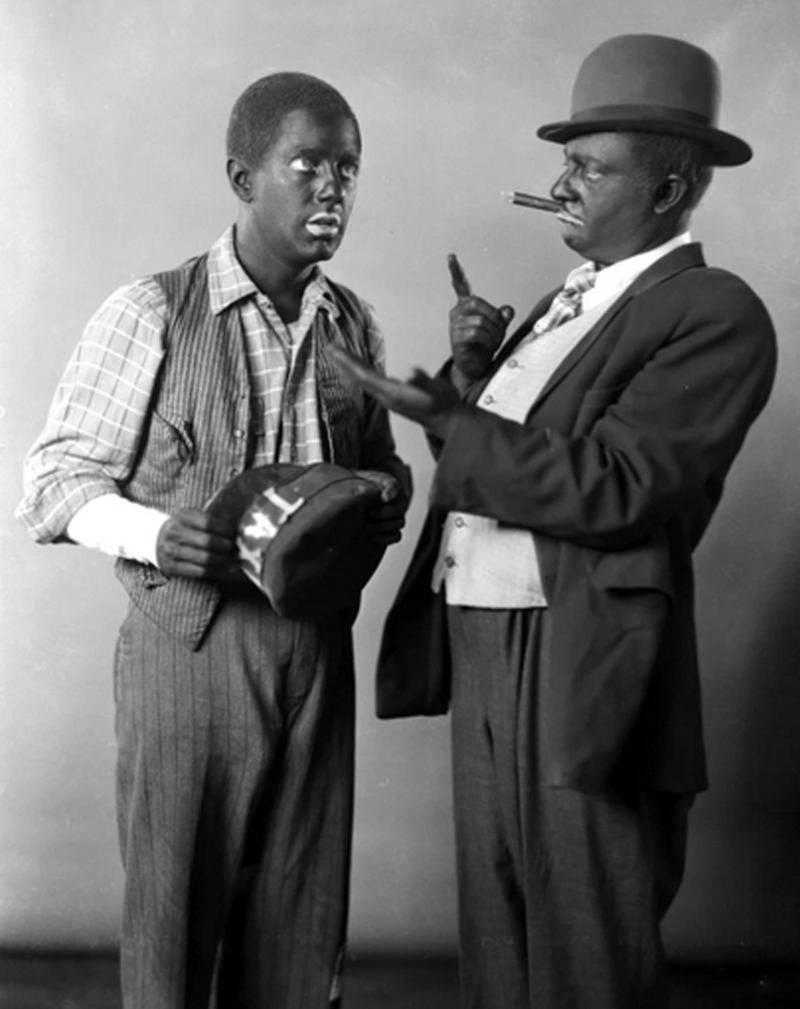
Gosden and Correll’s first major breakthrough came in 1926 with Sam ’n’ Henry, a daily radio serial that premiered on WGN in Chicago. The program followed two Black characters navigating life in the city, voiced by the white duo in the exaggerated dialect that reflected the entertainment norms of the era. Despite its limitations, the show struck a chord with listeners. Its blend of humor, serialized storytelling, and character‑driven situations made it one of the Midwest’s most popular local broadcasts.
Today, the USA Radio Museum preserves nine surviving episodes of Sam ’n’ Henry — rare and invaluable artifacts that document the earliest stage of Gosden and Correll’s creative evolution. These recordings offer a direct window into the format, pacing, and comedic instincts that would soon transform American broadcasting.
When the pair moved to WMAQ in 1928, they reimagined their characters under new names — Amos Jones and Andy Brown — and launched Amos ’n’ Andy. The shift marked not only a change in title but a leap in ambition. What began as a local Chicago favorite quickly grew into a national sensation, setting the stage for one of the most influential and widely heard programs in radio history.
_____________________
Sam ‘n’ Henry | Sam’s Speech at the Colored Lodge | June 7, 1926
Audio Digitally Enhanced By USA Radio Museum
_____________________
The Birth of “Amos ’n’ Andy” (1928)
In 1928, Gosden and Correll moved to Chicago’s WMAQ and reintroduced their familiar characters under new names: Amos Jones and Andy Brown. The program premiered on March 19, 1928, and within a year NBC carried it nationwide. What set the show apart was its innovative structure. Instead of isolated sketches or one‑off gags, Amos ’n’ Andy unfolded as a nightly serialized narrative, drawing listeners into an ongoing story world that felt alive and ever‑expanding. Its humor grew organically from the personalities of its characters, whose quirks and relationships deepened over time. New voices entered the fictional universe, creating a sense of community that audiences came to know intimately. Each episode ended with just enough suspense to bring listeners back the next evening, establishing one of the earliest examples of true appointment listening. By 1930, Amos ’n’ Andy had become the most popular radio program in the United States.
_____________________
Amos ‘n’ Andy | Is Everyone In Your Family as Dumb as You Is | June 17, 1928
Audio Digitally Enhanced By USA Radio Museum
_____________________
A Cultural Phenomenon
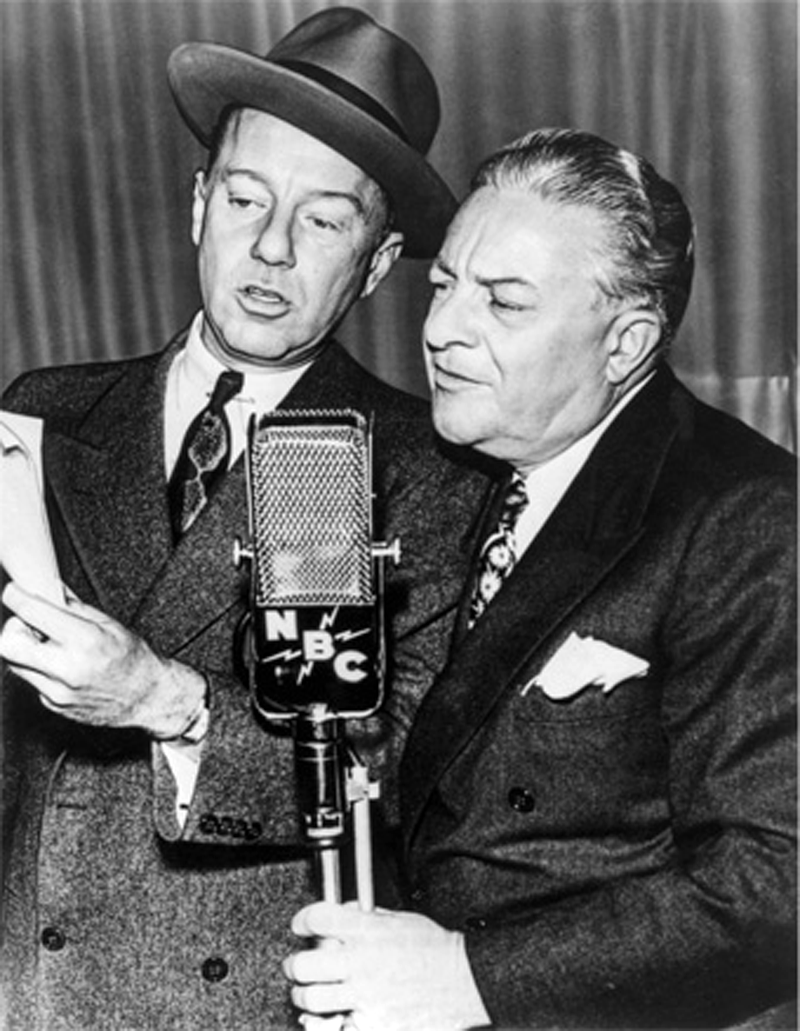 The show’s popularity reached heights rarely matched in American broadcasting. Movie theaters routinely paused their films so audiences could listen to the nightly episode. Telephone usage dropped dramatically during the broadcast, a measurable sign of how completely the program captured the nation’s attention. Department stores advertised special “Amos ’n’ Andy listening hours,” inviting shoppers to gather around in‑store radios. Families across the country arranged their evenings around the show, treating it as a shared ritual that brought households together. Radio had never seen anything like it, and the cultural footprint it left behind would shape the medium for decades.
Network Support and Expansion
NBC: Building a National Brand
NBC’s promotional power turned Amos ’n’ Andy into a coast‑to‑coast sensation. Major sponsors — including Pepsodent and Rinso — poured money into the program, making it one of the earliest examples of national commercial broadcasting success.
CBS: The Weekly Sitcom Era
In 1943, the show moved to CBS and shifted from a nightly serial to a weekly situation comedy. This format change allowed for more structured episodes and broader comedic setups.
Television Adaptation (1951–1953)
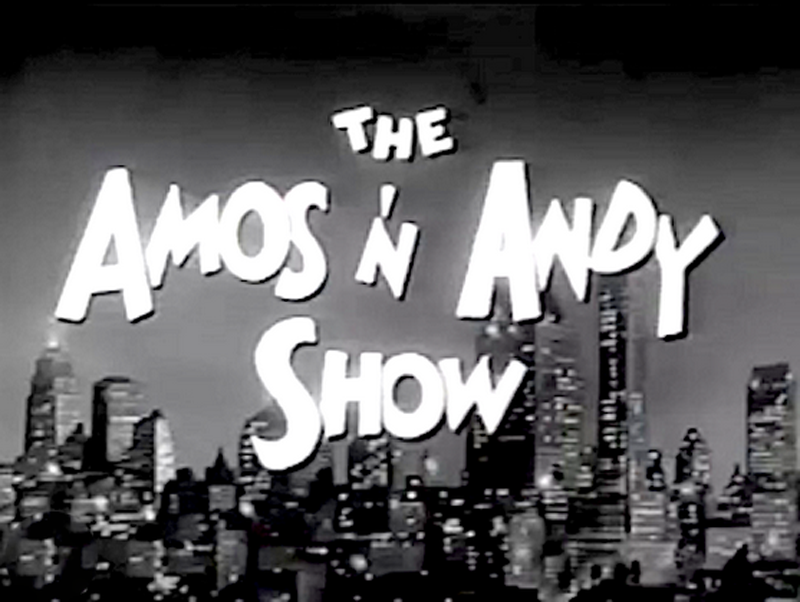
In 1951, The Amos ’n’ Andy Show debuted on television with an all‑Black cast — a groundbreaking moment in representation, though still shadowed by the show’s origins. The TV series ran until 1953, with reruns continuing until 1966.
Debate Within the Black Community
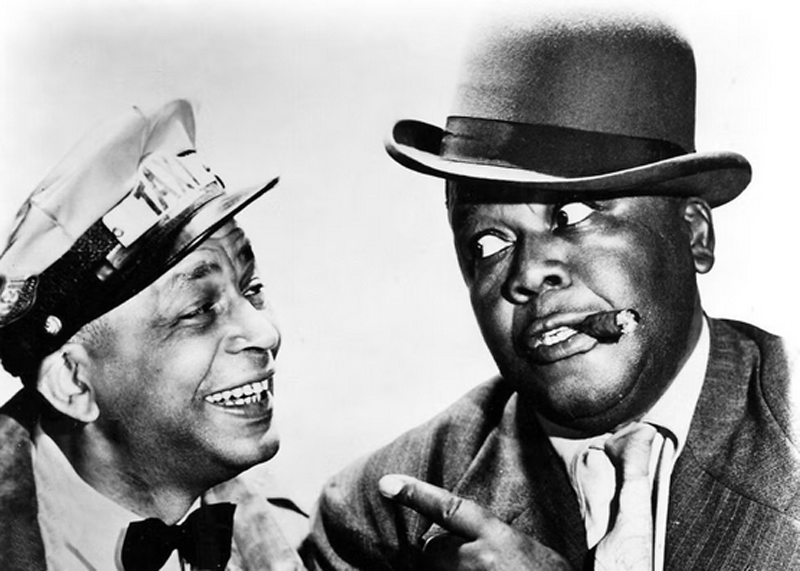
Amos ‘n’ Andy
Reactions to Amos ’n’ Andy within the Black community were layered and often deeply conflicted. Many critics condemned the program for reinforcing caricatures that echoed the minstrel traditions of an earlier era, arguing that the exaggerated dialects and comedic misunderstandings perpetuated harmful stereotypes. At the same time, some listeners found moments of genuine humor and even glimpses of humanity in the characters, responding to the warmth and camaraderie that occasionally emerged beneath the surface. When the television adaptation arrived in 1951 with an all‑Black cast, the actors themselves experienced the project as both an opportunity and a burden — a rare chance for national visibility paired with the weight of performing within a framework shaped by decades of racial distortion. The result is a legacy that remains complex: a blend of innovation, affection, insensitivity, and cultural tension that continues to spark discussion today.
A Lasting Influence
Despite the controversies that surround it, Amos ’n’ Andy left an unmistakable imprint on American broadcasting. The show pioneered the very idea of serialized radio comedy, building story-lines that unfolded night after night and kept audiences returning with anticipation. Its character‑driven narrative arcs helped establish the blueprint for modern sitcoms, while its ensemble of recurring personalities demonstrated how a fictional world could feel expansive, interconnected, and alive. The program also introduced the concept of national appointment listening — a shared cultural moment when millions tuned in simultaneously, creating a collective experience that defined early radio’s power. Its fingerprints can still be traced across generations of radio and television storytelling, from serialized dramas to comedic ensembles that dominate today’s media landscape.
_____________________
Amos ‘n’ Andy | Income Tax Problems | March 2, 1945
Audio Digitally Enhanced By USA Radio Museum
_____________________
Awards and Honors: Institutional Recognition of a Complicated Legacy
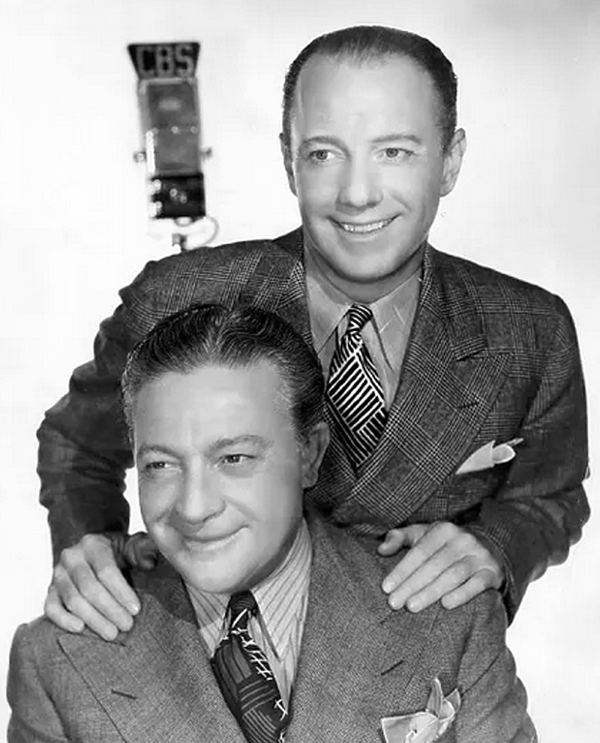 NAB Broadcasting Hall of Fame (1977)
In 1977, the National Association of Broadcasters inducted Amos and Andy into the NAB Broadcasting Hall of Fame, honoring the duo’s pioneering role in shaping early radio comedy and serialized entertainment.
National Radio Hall of Fame
The National Radio Hall of Fame also recognizes Amos ’n’ Andy for its unprecedented popularity and foundational influence on serialized radio storytelling.
Preservation and Scholarly Recognition
The program’s legacy is reinforced through archival preservation, academic study, and ongoing public discourse about representation and early mass media.
The USA Radio Museum’s Stewardship
The USA Radio Museum proudly preserves 397 surviving Amos ’n’ Andy broadcasts and nine Sam ’n’ Henry episodes, making it one of the most significant collections in the nation.
Later Careers and Final Years
 Freeman Gosden
Gosden continued working in entertainment into the early 1960s. He died on December 10, 1982, in Los Angeles at age 83.
Charles Correll
Correll remained active in radio and entertainment for many years. He died on September 26, 1972, in Chicago at age 82.
Conclusion: A Story Worth Preserving
Amos ’n’ Andy remains one of the most significant — and challenging — chapters in American broadcasting. Its creators helped define the early sound of radio, pioneering techniques that still echo in today’s audio storytelling. At the same time, the show’s reliance on racial caricature reminds us of the cultural blind spots that once permeated entertainment.
By preserving and contextualizing this history — including the Museum’s extraordinary archive of 397 broadcasts and nine Sam ’n’ Henry episodes — the USA Radio Museum ensures that future generations can explore the full complexity of early American radio: its brilliance, its flaws, and its enduring influence.
_____________________
Amos ‘n’ Andy | The Aptitude Test | November 21, 1954
Audio Digitally Enhanced By USA Radio Museum
_____________________
Sources & Credits
Historical information for this feature draws from multiple authoritative references, including Encyclopaedia Britannica’s entries on Amos ’n’ Andy and Sam ’n’ Henry, which document the programs’ origins, broadcast history, and cultural reception. Additional verification of premiere dates, network transitions, and audience statistics comes from EBSCO’s Research Starters overview of the series. Context on the show’s structure, serialized format, and influence on early radio comedy is supported by the Old Time Radio Researchers’ publication Amos ’n’ Andy — In Person. Supplemental broadcast details, cast information, and sponsorship history were referenced from the Amos ’n’ Andy article on Wikipedia. Cultural impact summaries, including the nationwide listening phenomenon of 1930–31, were informed by historical analyses such as Underground History’s “When America Stopped to Listen.”
______________________________
Contact: jimf.usaradiomuseum@gmail.com
______________________________
A USARM Viewing Tip: On your PC? Mouse/click over each image for expanded views. On your mobile or tablet device? Finger-tap all the above images inside the post and stretch image across your device’s screen for LARGEST digitized view. Then click your browser’s back arrow to return to the featured post.
© 2026 USA Radio Museum. All rights reserved.
