
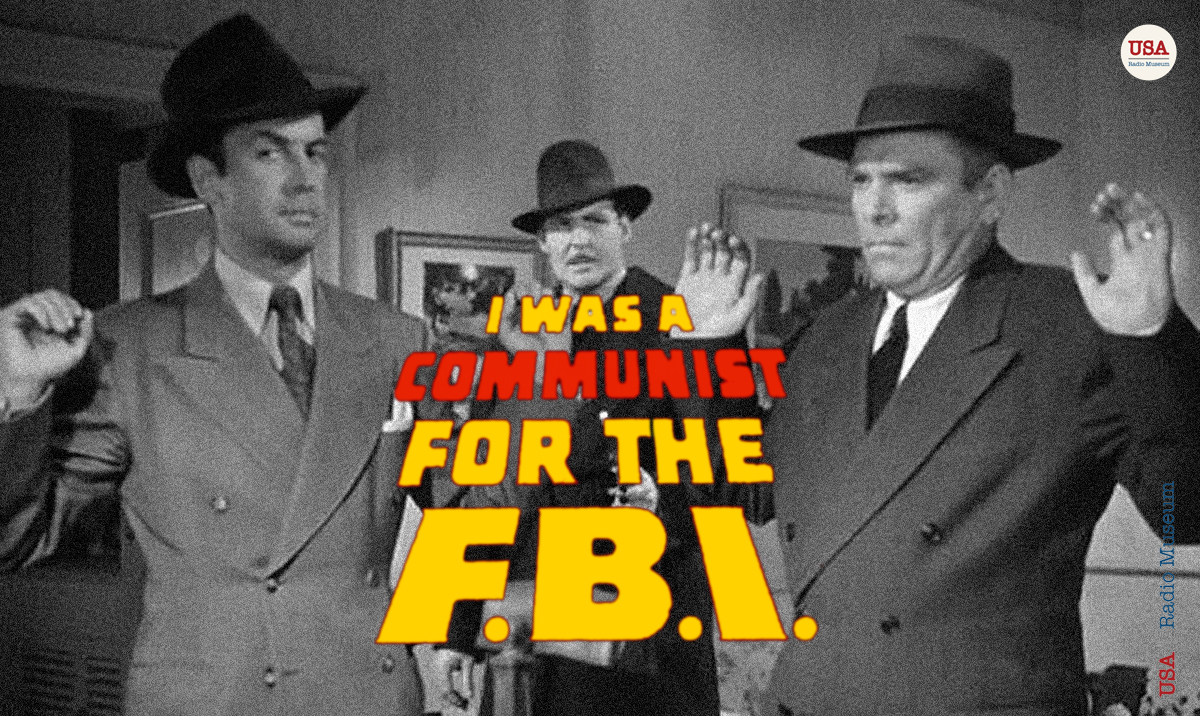
Introduction: When Cold War Fears Met the Power of Radio Storytelling — And a Nation Listened In the early 1950s, as Cold War tensions hardened int
Introduction: When Cold War Fears Met the Power of Radio Storytelling — And a Nation Listened
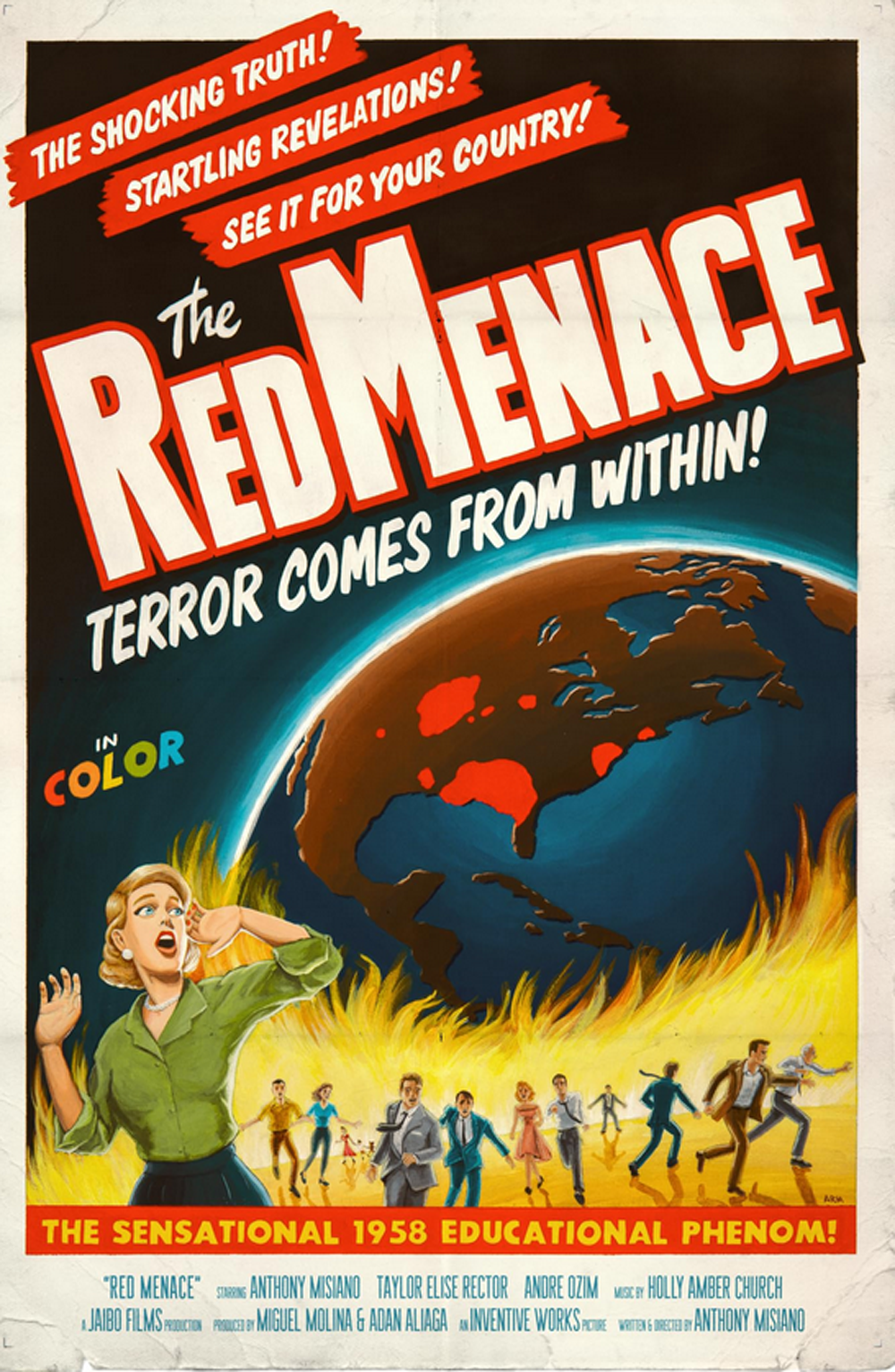 In the early 1950s, as Cold War tensions hardened into national paranoia, American radio found itself drafted into a new kind of conflict — one fought not with armies or artillery, but with stories, sound effects, and the persuasive power of the human voice. Among the most striking examples of this cultural mobilization was I Was a Communist for the FBI, a syndicated radio drama that aired from 1952 to 1954. Based on the real‑life undercover work of Pittsburgh steelworker Matt Cvetic, the series dramatized his infiltration of the Communist Party USA on behalf of the FBI.
But I Was a Communist for the FBI was more than entertainment. It was a product of its time — a time when fear of Communist subversion permeated American life, when the House Committee on Un‑American Activities (HUAC) held Hollywood in its crosshairs, and when FBI Director J. Edgar Hoover believed mass media could be a powerful ally in shaping public opinion. Radio, still the most intimate and trusted medium in American homes, became a frontline instrument in promoting vigilance, suspicion, and patriotic duty.
Today, with 84 episodes preserved in the USA Radio Museum’s vault, the series stands as a vivid artifact of Cold War propaganda — a reminder of how radio helped amplify the “Red Menace” narrative and how entertainment blurred into national messaging during one of the most anxious chapters in American history. — USA RADIO MUSEUM
_____________________
From Magazine Pages to Hollywood Soundstage
The story of I Was a Communist for the FBI began not on the airwaves, but in print. Matt Cvetic’s undercover exploits were first serialized in The Saturday Evening Post, as told to writer Pete Martin. These stories painted Cvetic as a lone patriot risking everything to expose Communist infiltration in American institutions. The serialized format — cliffhangers, moral dilemmas, coded meetings — lent itself naturally to dramatization.
Hollywood took notice. In 1951, Warner Bros. released I Was a Communist for the F.B.I., directed by Gordon Douglas and starring Frank Lovejoy. The film blended documentary‑style narration with film noir aesthetics, creating a tense, shadow‑drenched portrait of a man living a double life. Critics were divided. Some praised its suspense; others condemned its heavy‑handed politics. Bosley Crowther of The New York Times warned that the film “tosses off dangerous innuendos,” suggesting that teachers, laborers, and civil rights advocates might be Communist sympathizers.
Yet the film was a commercial success — and more importantly, it aligned perfectly with the political climate. HUAC was in full force. Hollywood was under scrutiny. And J. Edgar Hoover, who had long cultivated relationships with studios and producers, understood the value of dramatizing the FBI’s fight against Communism.
The stage was set for radio to take the story even further.
Ziv Productions and the Power of Syndication
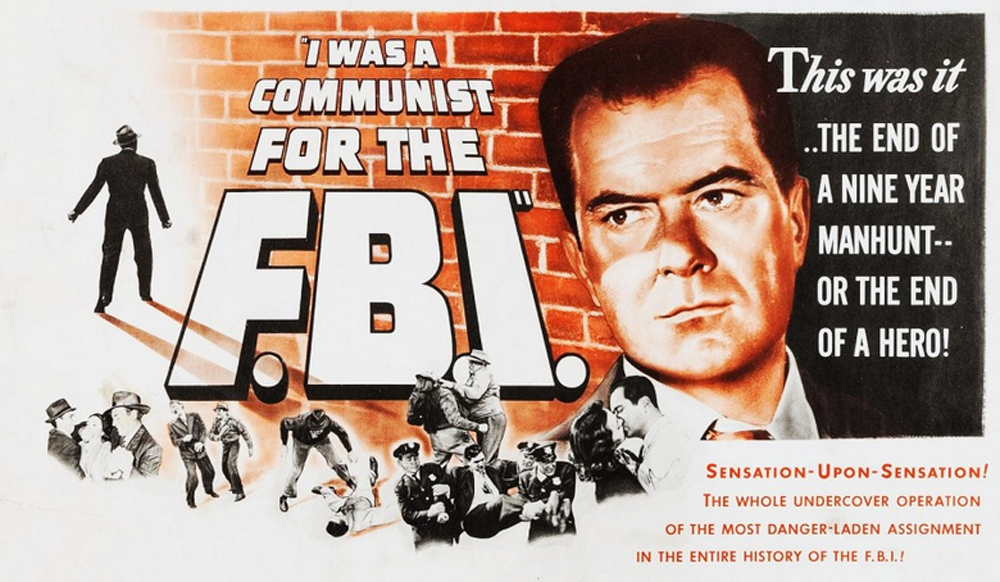 Unlike most prestige radio dramas of the era, I Was a Communist for the FBI was not broadcast on a major network. Instead, it was produced by Ziv Productions, the powerhouse of independent syndication. Ziv specialized in high‑quality, high‑budget programming that stations could purchase directly, bypassing network schedules and restrictions.
This model was crucial for a politically charged series like I Was a Communist for the FBI. Without network oversight, Ziv could craft a show that leaned heavily into anti‑Communist messaging, confident that local stations — eager for compelling content — would air it.
The series carried no national sponsor. Instead, stations inserted their own local advertising, making the show adaptable to markets across the country. This flexibility allowed the program to spread widely, reaching listeners in big cities, small towns, and industrial communities where fears of Communist infiltration were already simmering.
Ziv invested heavily in production. With a weekly budget estimated at $12,000, the series featured top Hollywood writers, veteran radio actors, cinematic sound design, and tightly paced scripts. The result was a radio drama that sounded as polished as any network program — but carried a sharper political edge.
_____________________
I Was A Communist For The FBI | ZIV Productions | Episode 27: “Little Boy Red” | 1952 [Radio Syndicated]
Audio Digitally Enhanced by USA Radio Museum
_____________________
SIDEBAR I: Ziv Productions — The Syndication Powerhouse Behind the Red Scare Airwaves
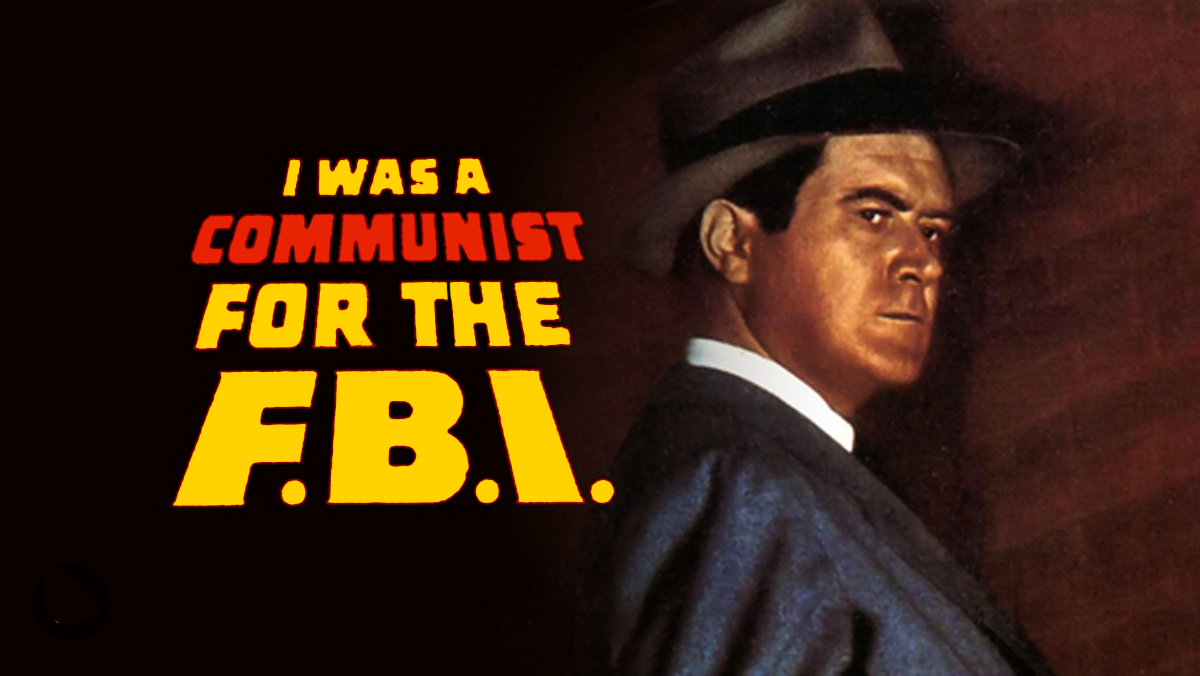 In the years when network radio dominated American broadcasting, Ziv Productions carved out a parallel empire built on independence. Founded by Frederic W. Ziv, the company specialized in syndicated programming — shows produced outside the network system and sold directly to local stations. This freedom from network oversight allowed Ziv to take creative risks, move quickly, and deliver polished dramas that stations could air whenever they pleased.
By the early 1950s, Ziv had become one of the most prolific producers in the country, responsible for popular titles like Boston Blackie, The Cisco Kid, and Bold Venture. Its formula was straightforward: invest heavily in writing, acting, and production values, then distribute the finished programs nationwide. The result was programming that sounded like network prestige drama but carried the flexibility and independence of syndication.
This model proved essential for I Was a Communist for the FBI. Without a national sponsor or network censors, Ziv could fully embrace the political climate of the early Cold War. The company poured significant resources into the series, creating a tense, noir‑inflected drama that dramatized Communist infiltration with cinematic flair. Local stations aired it widely, inserting their own advertising and tailoring the program to their audiences.
Today, Ziv Productions stands as a reminder that some of the most influential media of the era came not from the major networks, but from independent producers who understood how to reach the American public.
_____________________
Radio as Propaganda: Hoover’s Invisible Hand
To understand the significance of I Was a Communist for the FBI, one must understand J. Edgar Hoover’s relationship with mass media. Hoover believed deeply in the power of radio to shape public perception. Throughout the 1930s and 1940s, he had cooperated with producers of crime dramas that portrayed the FBI as heroic, efficient, and morally unassailable.
By the early 1950s, Hoover’s focus had shifted. Communism, not gangsterism, was now the existential threat. And Hoover saw media — especially radio — as a vital tool in educating (and alarming) the public.
While the FBI did not officially produce I Was a Communist for the FBI, Hoover’s influence was unmistakable. The series portrayed the FBI as vigilant, omnipresent, and morally righteous. Communist Party members were depicted as manipulative, violent, and deceitful. Everyday institutions — schools, factories, and civic organizations — were shown as vulnerable to infiltration. The message was clear: Communists could be anywhere, and only constant vigilance could stop them.
This messaging aligned perfectly with Hoover’s public statements, FBI publications, and internal memos of the era. The series functioned as a cultural amplifier of the Bureau’s worldview.
_____________________
SIDEBAR II: J. Edgar Hoover’s Media Strategy — Shaping Public Perception Through the Airwaves
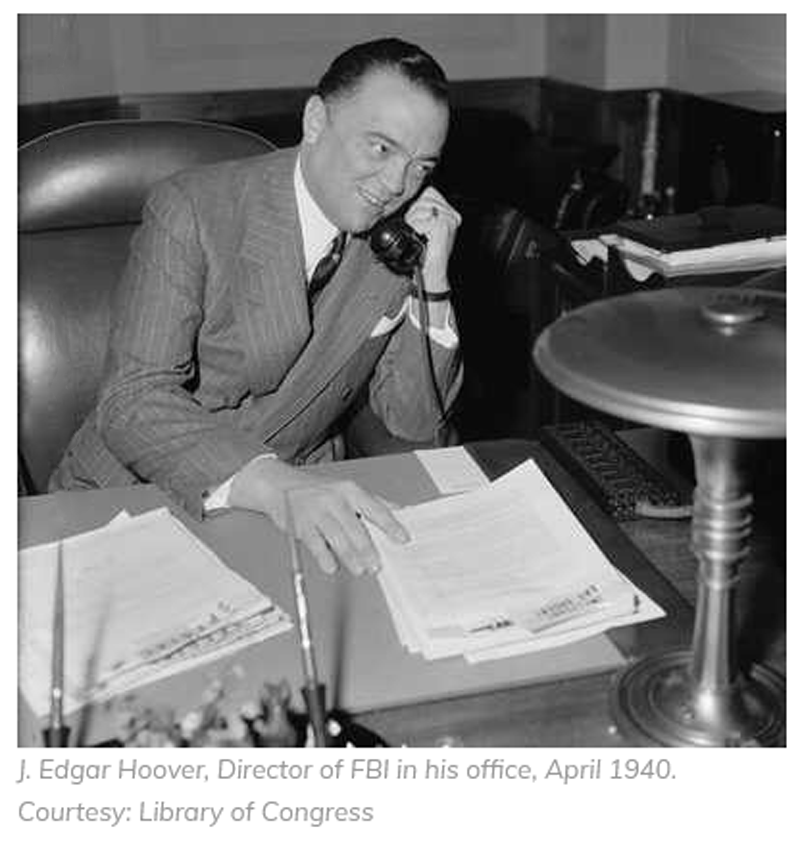 J. Edgar Hoover understood earlier and more profoundly than any other American official that mass media could shape national attitudes. Long before the Cold War, he cultivated close relationships with radio producers, newspaper editors, and Hollywood studios, ensuring that portrayals of the FBI reinforced the image he wanted the public to see: disciplined, incorruptible, and indispensable.
By the early 1950s, as fears of Communist infiltration intensified, Hoover expanded this strategy into a full‑scale public relations campaign designed to alert Americans to what he called “the internal threat.” Radio became one of his most effective tools. Its intimacy and reach allowed the Bureau’s preferred narratives to enter American homes with an authority no printed pamphlet could match.
Although the FBI did not officially produce I Was a Communist for the FBI, the series echoed Hoover’s worldview with striking fidelity. Its portrayal of Communist operatives as manipulative infiltrators, its emphasis on vigilance, and its unwavering depiction of the FBI as the nation’s moral compass all aligned with the messaging Hoover promoted in speeches and Bureau publications.
Today, Hoover’s media strategy stands as a reminder of how profoundly public opinion can be influenced by the stories a nation tells itself.
_____________________
Radio’s Embrace of the Red Scare: Why Stations Bought the Series in Droves
When I Was a Communist for the FBI entered syndication in 1952, American radio stations were hungry for programming that resonated with the anxieties of the moment. The Cold War was no longer an abstract geopolitical struggle; it was a daily presence in newspapers, congressional hearings, and community conversations. Stations across the country recognized that a dramatic series rooted in undercover intrigue, ideological conflict, and national vigilance would not only attract listeners but speak directly to the fears and fascinations of their audiences.
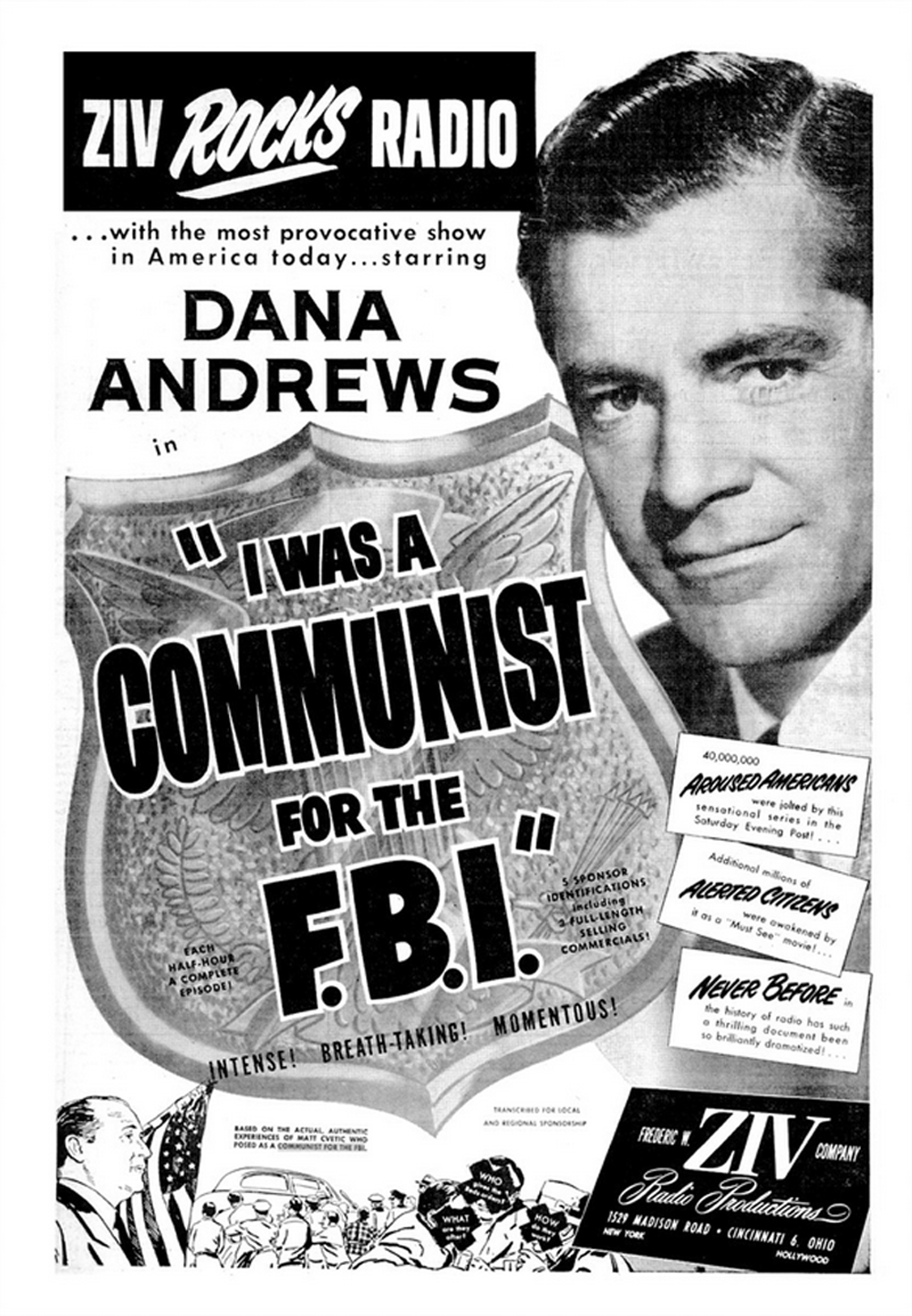 Because the series was syndicated rather than tied to a network, stations could purchase it individually — and many did. From major metropolitan hubs like Chicago’s WGN, Detroit’s WXYZ, and New York’s WOR, to regional powerhouses in Pittsburgh, Cleveland, Dallas, and Los Angeles, the program found a home in markets where industrial labor, political activism, and Cold War rhetoric intersected. These were cities where concerns about Communist infiltration were already part of the public conversation, and where a dramatized portrayal of that threat felt both timely and compelling.
The result was a remarkable spread. While exact affiliate lists were never centralized, Ziv’s distribution patterns suggest that between 200 and 350 stations carried the program during its two‑year run. That reach placed I Was a Communist for the FBI among the most widely heard syndicated dramas of its era. For many listeners, it became a weekly ritual — a serialized reminder that the Cold War was not just a distant conflict but a struggle unfolding in factories, schools, neighborhoods, and even within families.
The series’ success reveals something essential about American radio in the early 1950s. Stations were not merely passive distributors of entertainment; they were active participants in shaping public sentiment. By choosing to air a program that dramatized Communist infiltration with such urgency, broadcasters helped reinforce the era’s climate of suspicion and vigilance. The airwaves became an extension of the national mood — a place where fear, patriotism, and propaganda intertwined.
_____________________
I Was A Communist For The FBI | ZIV Productions | Episode 56: “My Friend The Enemy” | 1953 [Radio Syndicated]
Audio Digitally Enhanced by USA Radio Museum
_____________________
Inside the Episodes: Noir, Suspense, and Ideological Warfare
Each episode of I Was a Communist for the FBI followed a familiar structure: Matt Cvetic, deep undercover, navigates a dangerous situation within the Communist Party while secretly relaying information to the FBI. The tension came not only from the threat of exposure, but from the moral and emotional toll of living a lie.
The show’s themes were consistent: the enemy within, the lone patriot, the FBI as guardian, suspense over subtlety, and a world of shadows. Borrowing from film noir, the series used sound to create an atmosphere of paranoia: echoing footsteps, whispered conversations, tense musical cues. This aesthetic reinforced the idea that danger lurked everywhere.
Radio’s Unique Power: Why the Medium Mattered
Television was rising in the early 1950s, but radio still held a unique place in American life. It was intimate. It was trusted. It reached millions who did not yet own a TV set. And it allowed listeners to imagine the danger — to fill in the shadows with their own fears.
Radio’s strengths made it an ideal vehicle for Cold War messaging. Its immediacy, intimacy, accessibility, and flexibility allowed it to make the “Red Menace” feel personal.
The Cultural Impact: Fear, Vigilance, and the McCarthy Era
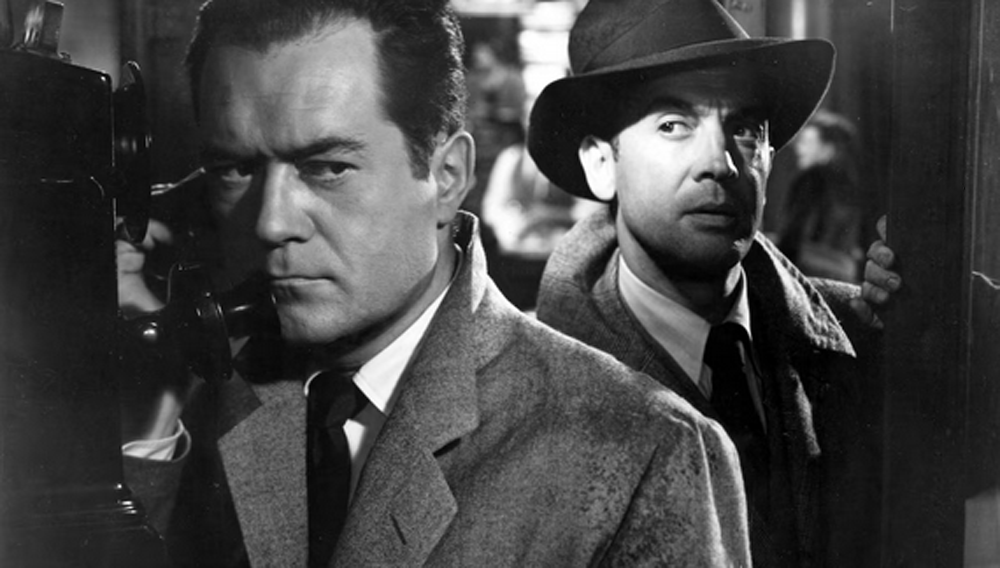 I Was a Communist for the FBI aired during the height of the McCarthy hearings, when accusations of Communist sympathies could destroy careers and reputations. The series did not merely reflect this climate — it contributed to it.
Listeners were encouraged to believe that Communists were organized, strategic, and everywhere; that teachers, union leaders, and civil rights advocates might be “dupes”; that ordinary Americans had a duty to report suspicious behavior; and that the FBI was the nation’s shield against internal collapse.
For Hoover, this was not entertainment. It was public education.
Legacy: A Time Capsule of American Anxiety
By the mid‑1950s, as McCarthyism fell out of favor, I Was a Communist for the FBI faded from public memory. But its legacy endures as a cultural artifact — a reminder of how media can shape national consciousness.
Today, the USA Radio Museum’s 84‑episode archive stands as one of the most complete collections of this influential series. It allows historians, researchers, and the public to revisit a moment when radio was not merely a source of entertainment, but a participant in America’s ideological battles in the 1950s.
______________________________
Sources & Credits:
1. I Was a Communist for the FBI — archival audio, episode notes, and broadcast metadata accessed via the Internet Archive’s Old Time Radio Collection and USA Radio Museum.
2. Episode sequencing and surviving broadcast logs cross‑referenced through the OTR.Network Library’s curated index of 1952–1954 syndicated programs.
3. Biographical background on Matt Cvetic, including his undercover work, Saturday Evening Post serialization, and HUAC testimony, drawn from publicly available historical summaries.
4. Supplemental audio variants, restorations, and alternate recordings reviewed through additional Internet Archive OTR collections.
5. Episode lengths, restoration notes, and streaming metadata corroborated through RadioEchoes, a long‑standing digital archive of classic radio programming.
6. Production and syndication context for Ziv Television Programs, Inc. informed by historical overviews of the company’s role in mid‑century broadcasting.
7. Film background and critical reception of the 1951 Warner Bros. motion picture I Was a Communist for the F.B.I. referenced through publicly available film archives and contemporary reviews.
______________________________
Contact: jimf.usaradiomuseum@gmail.com
______________________________
A USARM Viewing Tip: On your PC? Mouse/click over each image for expanded views. On your mobile or tablet device? Finger-tap all the above images inside the post and stretch image across your device’s screen for LARGEST digitized view. Then click your browser’s back arrow to return to the featured post.
© 2026 USA Radio Museum. All rights reserved.
