
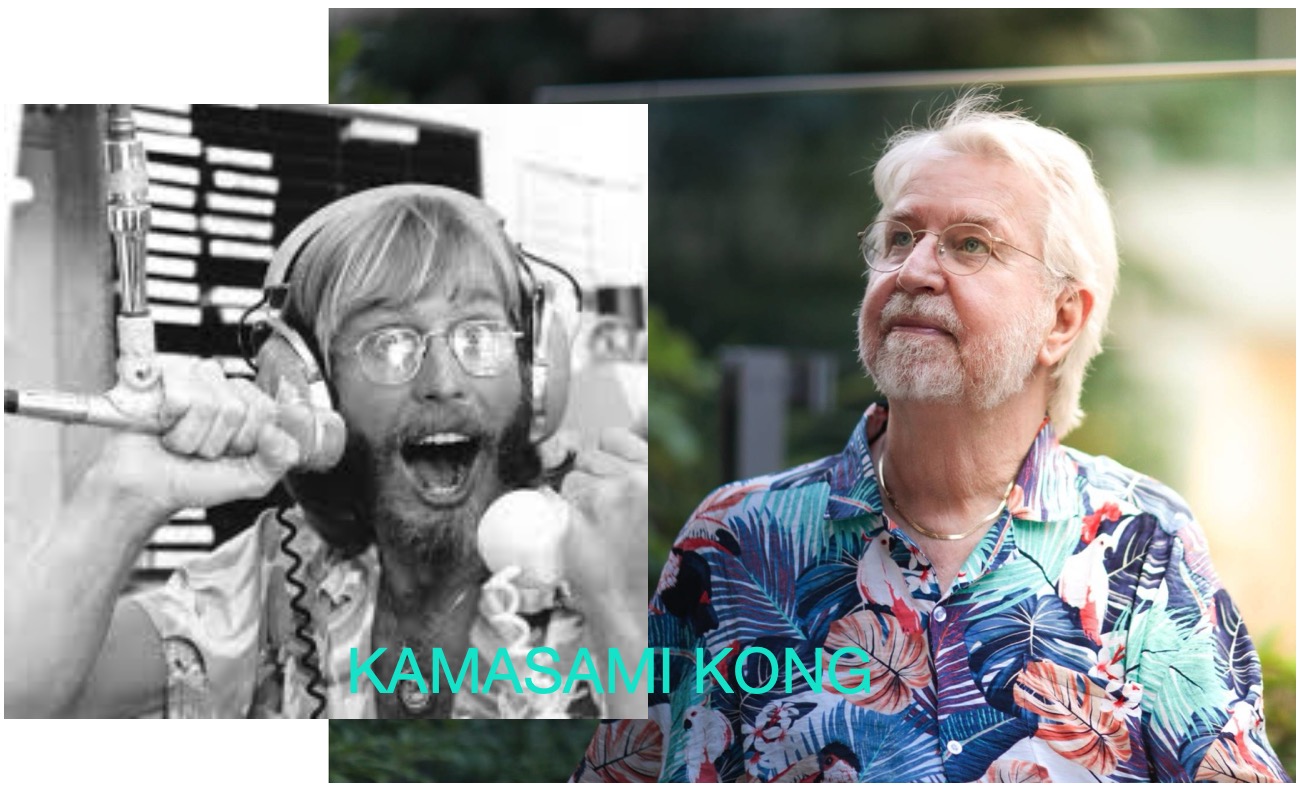
From homemade transmitters and a stint broadcasting overseas with the military, to becoming one of the most recognizable radio voices in Hawaii, Korea
From homemade transmitters and a stint broadcasting overseas with the military, to becoming one of the most recognizable radio voices in Hawaii, Korea, Taiwan — and later, Japan — Kamasami Kong built a career that defied borders and formats.
Long before “global radio” was a concept, his broadcasts traveled far beyond the islands, reaching listeners who would record his shows off the air and pass them hand to hand in Japan. That voice — warm, rhythmic, unmistakable — would go on to help define what is now known as the city pop era, earning Kong a lasting international following.
Across radio, television, recorded media, and digital platforms, his influence has endured by doing what great radio has always done best: connecting people through personality and music.
It’s a pleasure to welcome a true original to the USA Radio Museum —
Kamasami Kong, the voice who defined City Pop.
Watch Jim Hampton’s Exclusive Interview with Kamasami Kong.
Kamasami Kong: A Voice That Traveled
Long before streaming, social media, or algorithms, radio was the place where voices mattered. It was where people gathered—separately, yet together—to feel less alone. Few understood that power better than Kamasami Kong.
Born Robert W. Zix on December 21, 1949, in Hamilton, Ohio, Kong’s fascination with radio began early. His grandmother owned a large floor-model Philco radio, and young Bob watched the way she leaned in, completely absorbed by the sound coming out of that wooden cabinet. It planted a simple, powerful thought: How do I get inside that box?
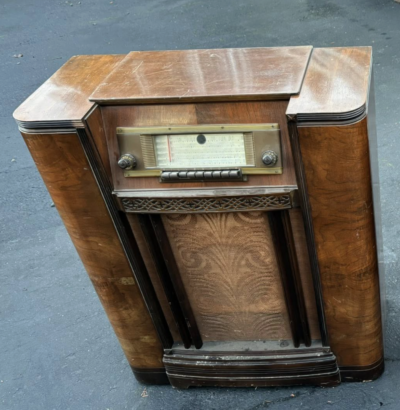
Grandma’s Philco Radio
By thirteen, he had found a way. Using a youth radio kit and later a wire recorder—an early magnetic recording device—Bob built a homemade radio station in his bedroom. He learned Morse code, strung antennas from trees, and eventually discovered that by clipping into the household telephone line, he could use the entire city as an antenna. He recorded music, voiced his own shows, printed homemade “listen tonight” flyers, and distributed them on his paper route. Neighbors tuned in. Radio had become real.
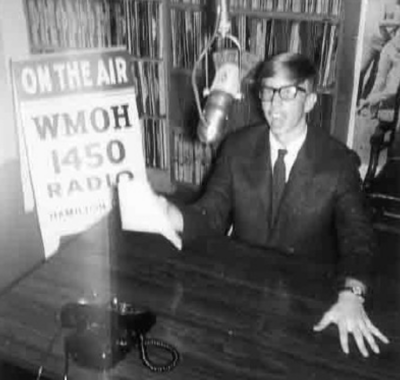 At Taft High School, Bob’s passion translated into opportunity. He became the school reporter for WMOH, delivering live reports each week. One night, when the regular DJ stepped away, Bob took over the microphone. The station manager noticed. Soon, he was hosting his own Sunday morning shift—his first true broadcast home.
In college at Miami University of Ohio, Bob deepened his craft, hosting shows, studying broadcasting, and playing the music that defined the era. By nineteen, he was on the air at WOXR (“Wonderful Woxer”), spinning hits and developing a reputation for sophistication and enthusiasm well beyond his years.
Then came the draft.
During the Vietnam War, Bob was sent not to combat but to radio—serving as a broadcast specialist for the American Forces Network in South Korea. There, he hosted shows like Good Morning Seoul, becoming a lifeline for thousands of service members far from home. His voice carried comfort, humor, and a sense of normalcy across military bases and into the surrounding communities. He also absorbed the rhythms and aesthetics of Asian broadcasting—an influence that would later shape his international legacy.
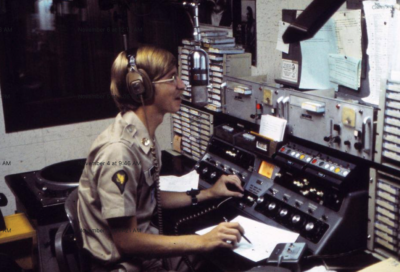
After his military service, Bob returned stateside briefly, working in California before spotting a classified ad that changed everything: “How would you like to work in the most beautiful place in the world—Honolulu, Hawaii?”
Within weeks, he packed what he could, boarded a plane, and flew west. Somewhere over the Pacific, looking down at white clouds and blue water, he quit smoking—deciding that if he was going to live in paradise, he would breathe it in fully.
KORL: The Birth of Kamasami Kong
In Honolulu, Bob landed at KORL Radio, located near ʻAʻala Park. The station was competitive, transitional, and alive with possibility. Management wanted him to change his name. Suggestions like “Jack Stone” didn’t sit right. Searching for something different, Bob fixated on sound—the deep, resonant strike of a gong.
One day, after ringing a gong on the air, a listener misheard the name and asked, “Is that Kamasami Kong?” The name stuck. A radio legend was born—not through branding, but through live radio magic.
At KORL, Kong experimented freely. He refined timing, sound effects, call-ins, and audience interaction. Radio became theater. The studio became a shared space. The audience felt invited, not spoken at.
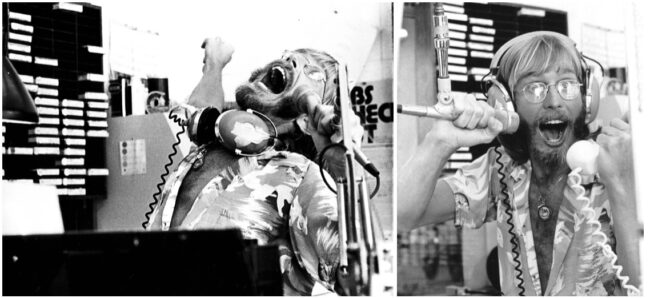
Kong Crazy KKUA
KKUA: Radio as Community
Kong’s move to KKUA marked a turning point—not just for his career, but for Hawaii radio. Here, everything came together. His nightly show became appointment listening, commanding massive shares of the audience. KKUA wasn’t just a station; it was a gathering place.
Signature segments like the Telephone Talent Line gave everyday listeners a voice. Kids sang over the phone. Ukuleles appeared out of nowhere. Some were buzzed off; others launched careers. Kong believed radio should lift people up, not talk down to them.
That belief expanded into Brown Bags to Stardom, a talent showcase that became Hawaii’s proving ground for future stars, including Tia Carrere, Glenn Medeiros, Kapena, and Nā Leo. Long before reality TV, Kong was building platforms for discovery—guided by instinct, humor, and trust in his audience.
KKUA aircheck
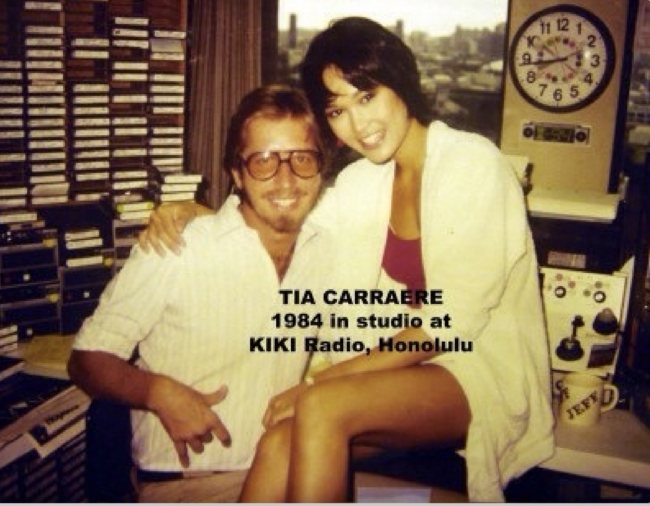
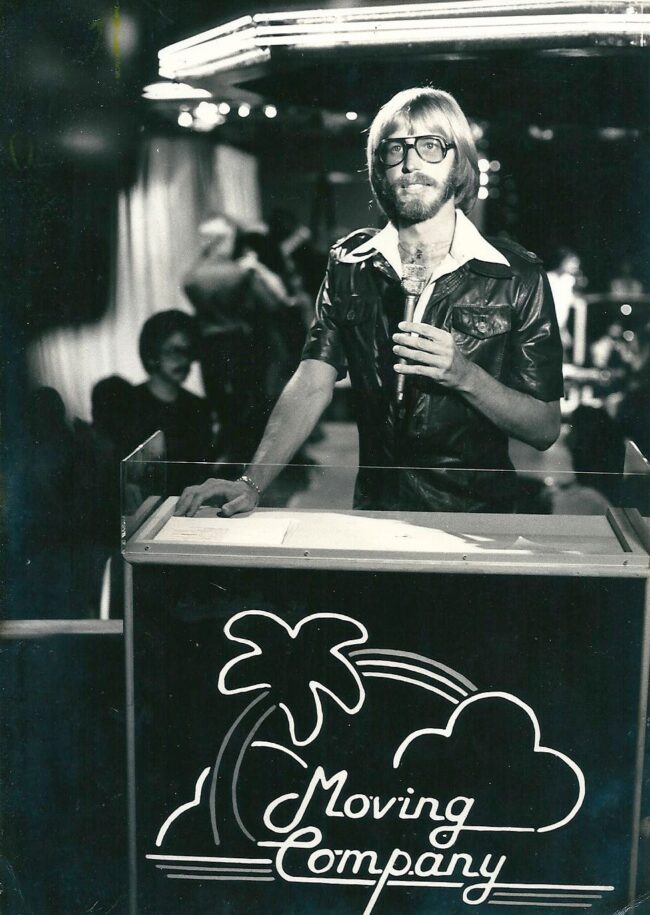
Kamasami Kong and The Hawaiian Moving Company
In 1978, Kamasami Kong became the original host of The Hawaiian Moving Company, a groundbreaking television series that captured Hawaii at the exact moment music, dance, and youth culture were colliding. More than a dance show, it was a moving snapshot of the islands’ creative pulse—disco, funk, local sound, and emerging street styles all sharing the same floor. Kong brought his radio instincts to television, guiding the energy without overpowering it, giving performers space while keeping the rhythm flowing. His presence lent the show credibility, warmth, and momentum, helping transform it into a shared weekly experience that reflected how Hawaii moved, dressed, and expressed itself in the late 1970s.
ICRT AM & FM Taiwan
After his peak years in Hawaii at KKUA and KIKI—marked by television work, record albums, and cultural visibility—Kamasami Kong entered what he later described as a creative dry spell, briefly working at a rigid, semi-automated station where personality radio was discouraged. That changed with a call from longtime colleague Craig Quick, who invited him to Taiwan to help reimagine ICRT AM & FM, the former American Forces Taiwan Network, into a modern, personality-driven station.
From the moment Kong arrived at the hilltop studios on Yangmingshan, he sensed possibility. Drawing on his Hawaii experience, he helped modernize the station’s infrastructure, built shows rooted in character, humor, and listener interaction, and brought radio theater to an audience listening largely in a second language. Broadcasting live during his regular travels between Honolulu, Japan, and Taiwan, Kong created a vibrant on-air world—voicing an entire cast of characters, staging improvised dramas, hosting talent contests, and inviting young Taiwanese listeners to participate live, often performing music or sharing personal stories.
The response was immediate and intense; phones rang constantly, listeners described the show as a nightly party, and radio became a refuge from the noise and density of city life. During his years at ICRT (1987–2005), Kong also mentored new voices, imported talent from Hawaii, launched youth-focused performance programs, and learned firsthand that radio’s deepest connection transcends language—it begins with emotion.
Taiwan ultimately became the cultural bridge between Kong’s Hawaii years and his later work in Japan, teaching him how personality radio could cross borders without losing its soul, and solidifying his role as a broadcaster who used sound not just to entertain, but to create shared space across cultures.
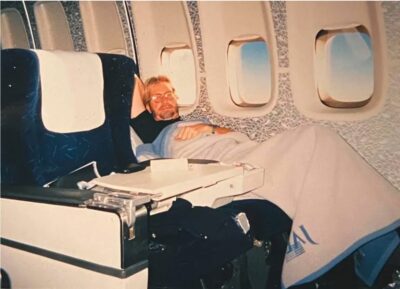
KONG – a most frequent flyer to Hawaii, Taiwan and Japan
Then Comes Japan
Kong’s influence didn’t stop at Hawaii’s shores or the hilltop of Taiwan. His broadcasts were recorded, traded, and treasured in Japan, where his voice helped define what would later be known as the city pop era. Albums, narration work, and radio shows followed. Eventually, he relocated permanently to Japan, hosting programs on FM Cocolo and other stations, becoming one of the few American DJs to achieve enduring fame overseas.
Across decades, platforms, and continents, Kong adapted—not by chasing trends, but by staying human.
City Pop breaks
A Lasting Signal
Kamasami Kong’s career spans radio, television, recorded media, and the digital age, but his legacy is singular: connection. He made listeners feel present, included, and heard. He mentored future broadcasters. He trusted his audience. And he proved that a voice—used with care, humor, and authenticity—can travel farther than any signal ever could.
From Ohio to Korea
From Korea to Hawaii
From Hawaii to Taiwan
From Taiwan to Japan
The sound remains.
City Pop
Japan and the Birth of City Pop Influence
By the late 1970s, something extraordinary was happening. Japanese listeners responded to his voice. American, smooth, and musically adventurous — it resonated deeply.
In 1979, CBS/Sony released Disc Jockey in Hawaii, introducing Kong to a wider Japanese audience. He became a defining DJ voice of the emerging city pop movement, collaborating with artists such as Toshiki Kadomatsu, Tatsuro Yamashita, and Omega Tribe. In 1984, he served as narrator for the film Big Wave.
Kong wasn’t just playing the music — he was part of it.
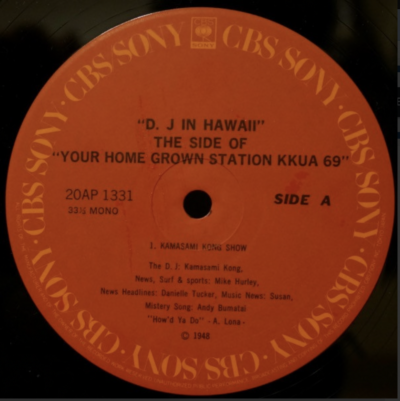
A Perfect example of City Pop
Pacific Oasis and Cultural Bridge-Building
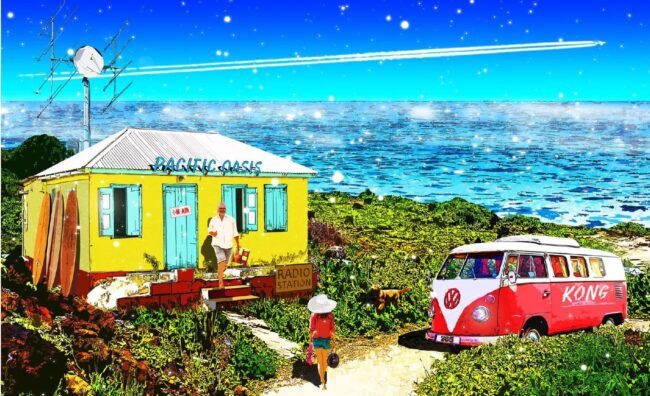
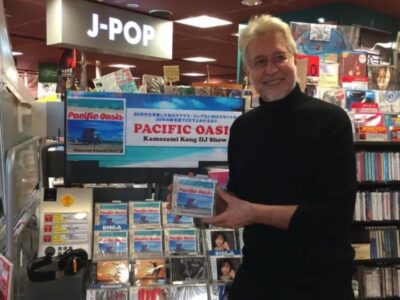
From 1989 to 1998, Kong hosted Pacific Oasis, a program that blended city pop, smooth jazz, and Hawaiian sounds. The show strengthened his role as a cultural bridge between Hawaii and Japan, uniting listeners across languages and continents.
Japan, Permanently — and the Digital Era
In 2005, Kong relocated permanently to Osaka, Japan, becoming a DJ for JOFV-FM, sponsored by Mitsubishi Motors. He hosted The Kong Show on Love FM and later Kamasami Kong Show on FM Cocolo. Although early station policies limited streaming, his influence continued to grow.
With the city pop revival of the 2010s, Kong’s voice found new life. He was featured on major compilations including Pacific Oasis (2015) and FM STATION 8090 (2023), reintroducing him to global audiences through digital platforms.
FM Cocolo Presents Pacific Oasis – The Kamasami Kong DJ Show
KONG Quotes
On radio and connection
“Radio was the social media of its day. It connected people, made them feel included, and brought communities together.”
On discovering radio
“My grandma had this big floor-model radio. I watched how she listened to it — how she leaned in. I remember thinking, ‘How do I get inside that box? That’s where I want to be.’”
On his voice
“My dad had a really good voice. I think I got mine from him.”
On creativity in radio’s golden era
“Radio was so much more alive back then. Independent owners. Creativity everywhere. Once a few companies owned everything, the fun stopped.”
On instinct and programming
“It was never about playing what I liked. It was about playing what the audience wanted to hear — and doing it better than anyone else.”
On being on the air
“When the microphone was on, it was a party in the studio every night.”
On talent and mentorship
“I always believed if someone had something, you gave them a shot. You never know whose life you might change.”
On Brown Bags to Stardom
“That show wasn’t about me. It was about giving people a place to shine — and letting Hawaii celebrate its own.”
On the power of sound
“Sound paints pictures. A wave, a voice, a pause — even without words, it tells a story.”
On adapting and surviving
“You have to be self-aware. You have to know when things are changing — and be ready to adapt.”
On Japan and creative freedom
“I love Tokyo — the architecture, the food, the people. Here, there was room to be creative again.”
On legacy
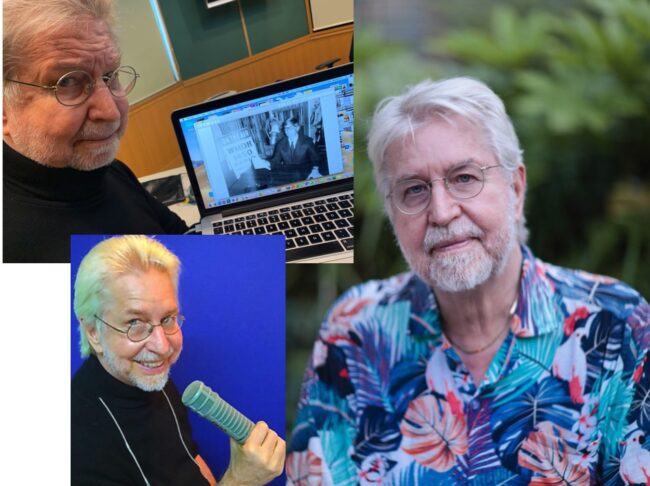
“If my story ever became a movie, it would take several actors. The teenage me, the 20-something me, the 70-something me. That’s the whole story.”
On radio’s future
“I wonder sometimes — with all this technology — if new opportunities might finally bring that freedom back.”
Legacy
Kamasami Kong is one of the first American DJs to achieve long-term fame in Japan, a rare and enduring accomplishment. His career spans radio, television, recorded media, and digital platforms — always anchored by personality, musical taste, and authenticity.
More than anything, he represents the timeless power of radio: a voice, a connection, and a sense of place that transcends borders and generations.
###

Thanks for this wonderful interview and supporting material. I’ve been listening to him since his FM802 days. He’s always been a great air personality and continues to be one.
Well done, Bob!