
Long before MTV, music streaming, or YouTube, Detroit’s legendary progressive rock station WABX-FM was already experimenting with something radically
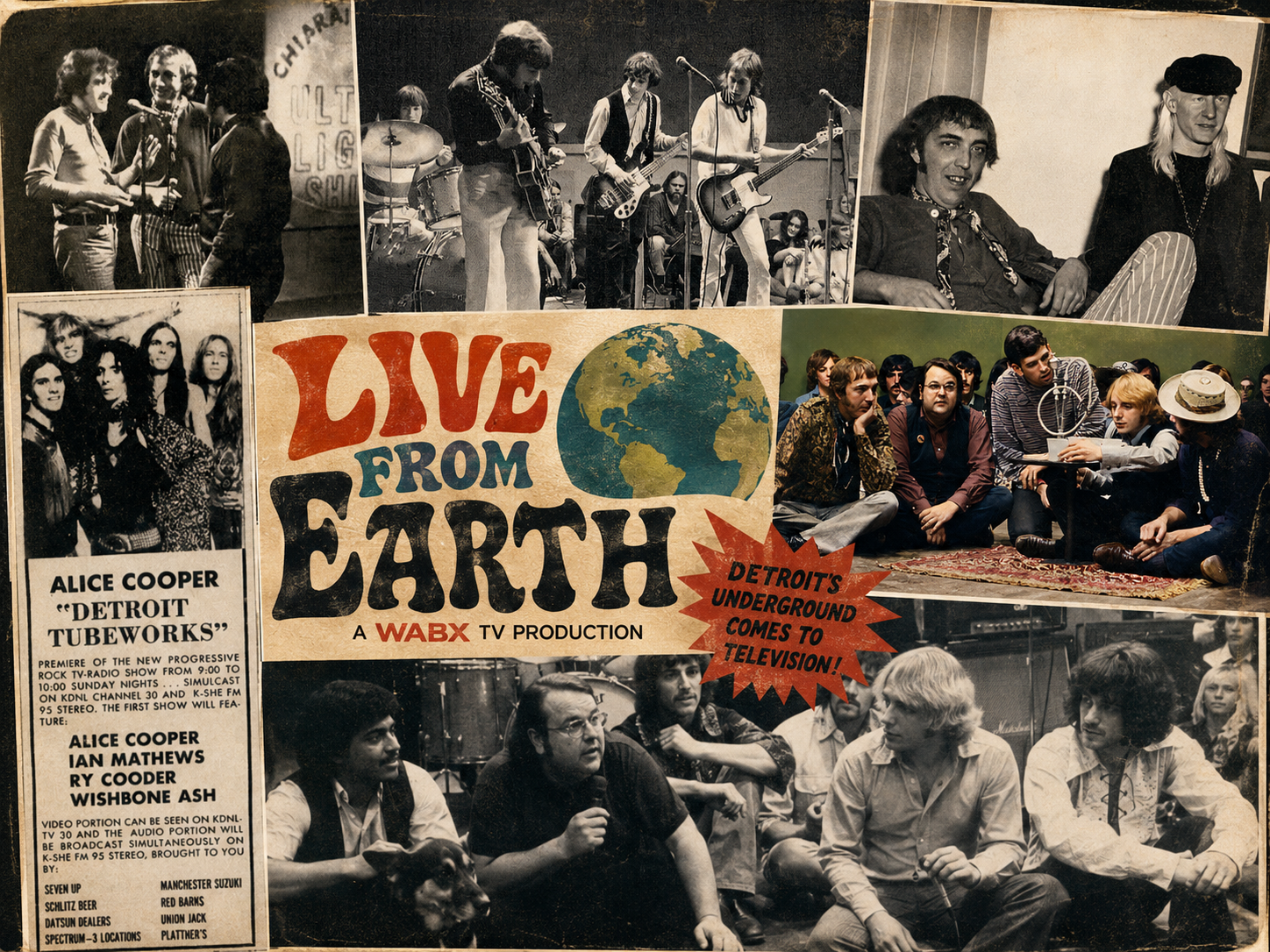
Long before MTV, music streaming, or YouTube, Detroit’s legendary progressive rock station WABX-FM was already experimenting with something radically new: underground rock television created by and for young people.
The result was Live From Earth, an ambitious, free-form television series that debuted on Detroit public television station WTVS Channel 56 on February 4, 1969. What began as an experimental late-night TV show soon evolved into one of the earliest attempts to merge progressive FM radio culture with television — eventually morphing into the groundbreaking Detroit Tube Works.
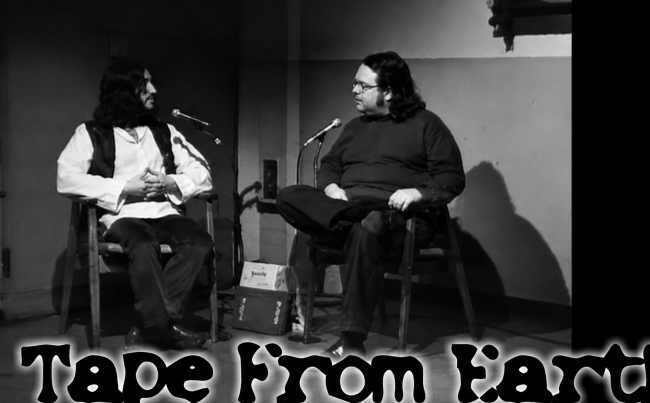
Unlike polished television variety programs of the era, Live From Earth embraced chaos, spontaneity, politics, music, and counterculture. The show’s creators described it as “video verité,” with no pretense of traditional staging. Hosted by various WABX personalities, the series invited young people directly into the production process. University of Michigan students produced the very first episode, which tackled censorship issues surrounding the controversial stage production Dionysus in ’69 in Ann Arbor.
Directed by Bob Whitney and shot in black and white at the Wayne State University studios in Detroit’s historic Maccabees Building, Live From Earth quickly became unlike anything else on television at the time.
Television for the Underground Generation
WABX had already transformed Detroit radio by embracing progressive rock and free-form broadcasting. Live From Earth attempted to bring that same spirit to television.
The show blended live music, social commentary, underground films, interviews, and experimental visuals. Guests and performers ranged from Joe Cocker and Ry Cooder to Ted Lucas, The Rationals, and John Sinclair.
Many of Detroit’s most recognizable WABX personalities appeared regularly, including Dave Dixon, Larry Miller, Jerry Lubin, Dennis Frawley, Dan Carlisle, Harvey Ovshinsky, and Jim Hampton.
The atmosphere surrounding the production was loose, unpredictable, and intensely creative. Unlike network television, there was little concern for rigid formatting or commercial polish. The production itself often felt like an extension of the Detroit underground music scene it covered.
One of the landmark moments came on November 1, 1969, when WABX and Channel 56 presented Welcome to the Fillmore East, considered the first stereo radio/television rock simulcast in America. Featuring performances by The Byrds, Van Morrison, Albert King, Elvin Bishop, and Sha Na Na, the event demonstrated how FM radio and television could work together to create a richer music experience.
From “Live From Earth” to “Tape From Earth”
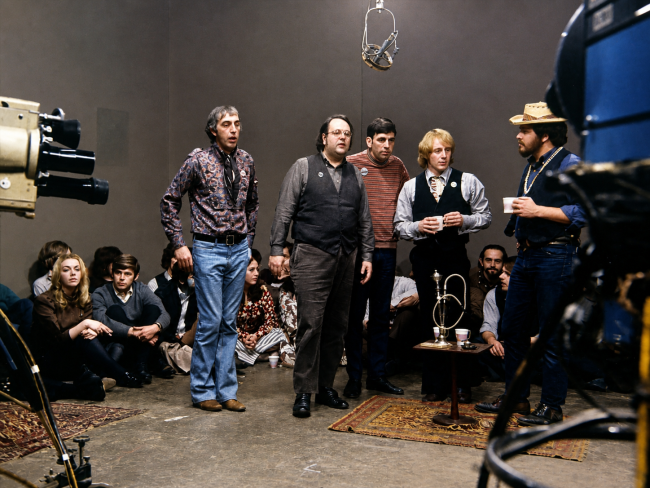
When Channel 56 reduced its production support, Wayne State University’s student television group, Tartar 100 Productions, stepped in to keep the project alive. The show briefly became known as Tape From Earth.
In one memorable closing monologue, WABX’s Dave Dixon summed up the wonderfully disorganized spirit of the production:
“It’s been hectic and chaotic, but we’ve had fun.”
That spirit became the foundation for what came next.
The Birth of “Detroit Tube Works”
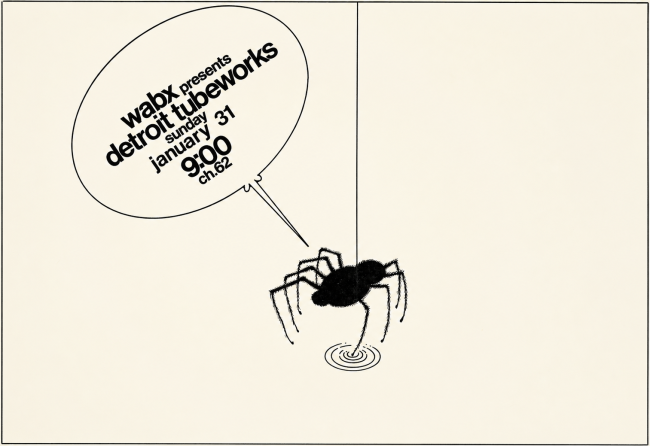
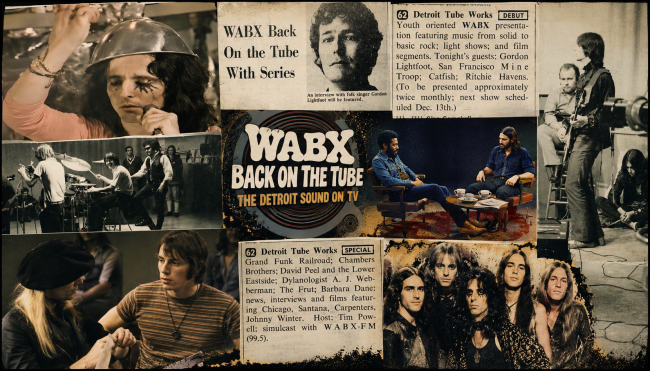
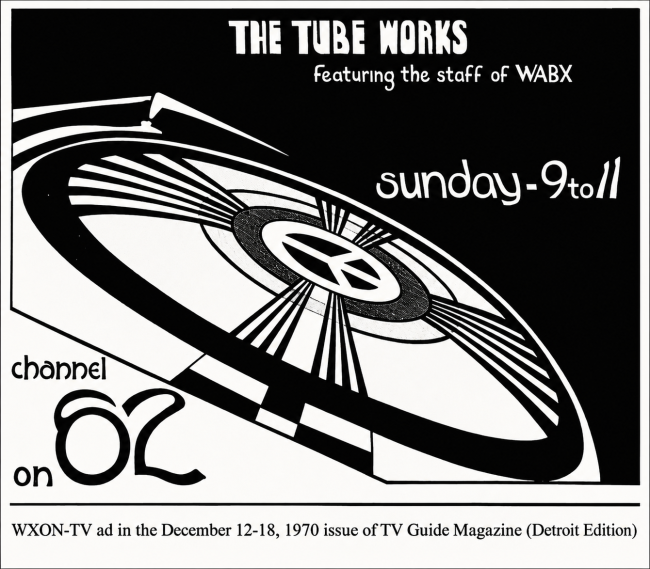
By late 1970, the concept had evolved into Detroit Tube Works, a color television series airing on WXON-TV Channel 62 with simultaneous stereo audio broadcast on WABX-FM.
The show became one of the first serious attempts anywhere in America to create a television series devoted entirely to progressive rock culture.
Director Bob Whitney later explained that the show was designed to showcase music played only on underground FM stations while also exploring politics, social ideas, and youth culture ignored by mainstream television.
The productions were often shot late at night after concerts at legendary Detroit venues like the Grande Ballroom, Eastown Theatre, and Masonic Temple. Equipment was minimal — usually just two cameras and rudimentary gear inside WABX’s small studio on 14 Mile Road.
But what the show lacked technically, it made up for with authenticity.
Legendary Guests and Rare Performances
Over its run, Detroit Tube Works featured an extraordinary lineup of artists and personalities:
- Alice Cooper
- Johnny Winter
- Captain Beefheart
- Ry Cooder
- Fleetwood Mac
- Joe Cocker
- Gordon Lightfoot
- Mitch Ryder
- Melanie
- Earth, Wind & Fire
- Commander Cody
- Humble Pie
- Phil Ochs
- MC5
- John Lee Hooker
- Ted Nugent
- Arlo Guthrie
- Black Sabbath clips
- Rolling Stones films
Many of these performances were recorded in intimate, after-hours sessions unavailable anywhere else.
Johnny Winter on Detroit Tubeworks – 1970
Chuck Reti, who directed many of the music segments, later recalled the infamous Captain Beefheart session, which he described as both brilliant and chaotic.
Unfortunately, much of the footage was lost forever because expensive two-inch videotape was routinely reused after broadcasts. At the time, preserving the programs for historical purposes simply wasn’t financially practical.
A Vision Far Ahead of Its Time
By 1972, WABX station manager John Detz envisioned taking Detroit Tube Works national as a syndicated FM radio/television simulcast. The idea was revolutionary: television stations would air the video while local progressive FM stations simultaneously broadcast the stereo audio.
Detz argued that television sound quality was inadequate for modern rock music and believed young audiences were already abandoning conventional television.
“The program will be directed to the 18-30 year old who ordinarily finds nothing available on television that interests, stimulates, or challenges his imagination,” Detz said.
In many ways, he predicted the future of music television nearly a decade before MTV launched.
Detroit’s Forgotten Television Revolution
Today, only fragments of Live From Earth and Detroit Tube Works survive. Some footage has surfaced on YouTube and in archival releases, while other tapes were reportedly discarded or erased over the years.
Yet the influence of these productions remains enormous.
They represented one of the first genuine attempts to create youth-oriented music television outside the control of traditional networks. The programs captured Detroit’s explosive late-1960s underground scene in real time — raw, political, musical, unpredictable, and alive.
And for a brief moment, in the studios of WTVS and WXON, WABX proved that radio culture could become television culture long before the rest of America caught up.
Note: Special thanks to Kim Sulek for all his information and visuals.
###
