
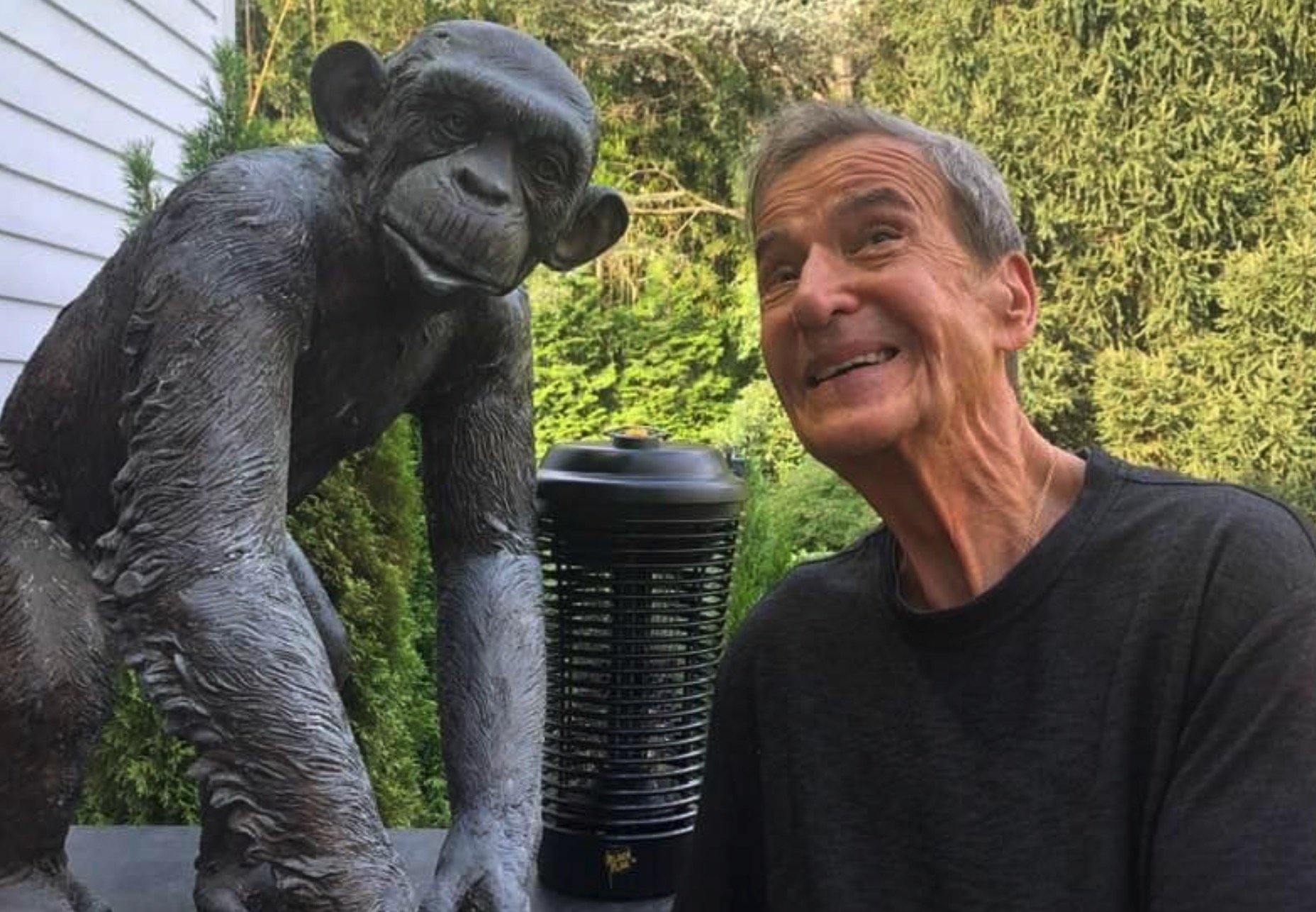
JOEY REYNOLDS IS EVOLVING — PLEASE STAND BY! A Living Legend Keeps Reinventing the Medium He Helped Create Contrary to the playful rumors he once sp
JOEY REYNOLDS IS EVOLVING — PLEASE STAND BY!
A Living Legend Keeps Reinventing the Medium He Helped Create
Contrary to the playful rumors he once sparked by calling himself “The Late Joey Reynolds,” the radio legend is very much alive — evolving, experimenting, and refusing to fade quietly into broadcasting history. Joey Reynolds, one of the most innovative and influential voices in American radio, continues to reinvent himself more than six decades after first cracking a microphone.
Today, Joey’s presence spans social platforms, streaming video, interviews, archived audio treasures, and his signature stream-of-consciousness commentaries. But to understand why his ongoing evolution matters, one must appreciate the extraordinary journey that brought him here.
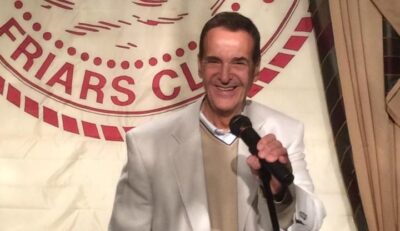
Jim Hampton Interviews Joey Reynolds for USA Radio Museum
THE MAKING OF A RADIO ORIGINAL
Joey’s story begins in Buffalo in the 1950s, when a teenage Joey Pinto commandeered the PA system at the local Boys’ Club and turned after-school hours into a mock broadcast studio. That led to reading teen news on WGR-TV and eventually to his first station job at WWOL-AM, working alongside another future legend, Dick Purtan.
Still barely out of his teens, Joey hustled his way onto the air at WNCO in Ashland, Ohio, setting the stage for what would become one of radio’s most unpredictable and trailblazing careers.
By the early 1960s, program director Arnie Schorr at WBNY in Buffalo bestowed upon him the now iconic on-air surname: Reynolds.
A star had been christened.
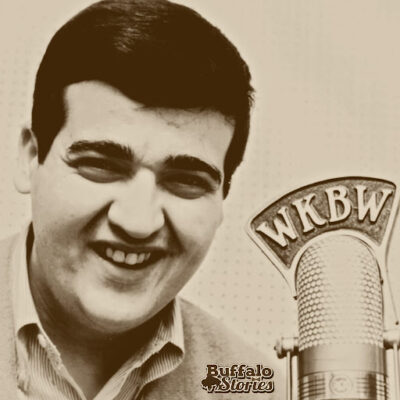
THE SIXTIES & SEVENTIES: THE SHOCK-JOCK BEFORE “SHOCK JOCK” EXISTED
During the 1960s and 70s, Joey Reynolds became a national force in Top 40 radio. His stops across America read like a map of broadcasting greatness:
- WPOP & WDRC (Hartford)
- WKBW (Buffalo)
- WIXY (Cleveland)
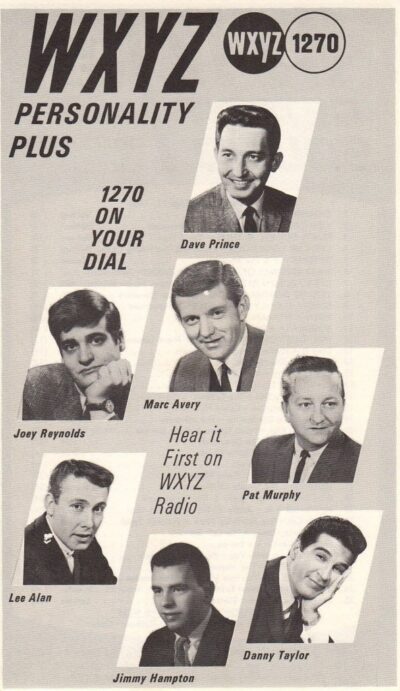
- WXYZ (Detroit)
- WIBG & WFIL (Philadelphia)
- KMPC (Los Angeles)
At KB in Buffalo, Joey’s audience was massive — his show reaching two-thirds of North America. His spirited mix of Top 40 energy, unscripted tirades, and gleeful irreverence turned him into a certified phenomenon.
He became known for stunts that were equal parts performance art and professional insurrection:
locking himself inside the studio…
letting a record skip on purpose…
launching rants that landed him in newspapers and, occasionally, in the unemployment line.
To many, Joey Reynolds was the original shock jock, though his style was always rooted more in truth-telling and theatricality than vulgarity.
He championed Frankie Valli & The Four Seasons, a relationship that led the group to cut a custom jingle (“Big Girls Don’t Cry”) just for him. He recorded novelty songs; he turned citywide hysteria into ratings gold; he helped define the era when DJs weren’t just announcers — they were stars.
Yet amid the wild ride, there were moments that became broadcasting lore:
Joey and fellow DJ Danny Neaverth famously passed on paying $3,500 to book an obscure Liverpool band called The Beatles for their first American concert. The next day, they appeared on The Ed Sullivan Show — and the rest is history. Buffalo would forever remain the only major U.S. city the Beatles never played.
In typical Joey fashion, he turned even that into a story.
THE EIGHTIES & NINETIES: FROM RADIO TO TV AND BACK AGAIN
After a stint directing marketing at 20th Century Fox — working alongside Barry White, John Landis, and even contributing to early Star Wars promotion — Joey returned full force to the airwaves.
He launched Satellite Live, the first national satellite radio show.
He created All Night Live on KOA/KOA-TV, the first-ever radio/TV simulcast.
He raised over $100,000 for Ethiopian famine relief during a spontaneous 37½-hour fundraiser on WFIL.
He replaced Howard Stern in afternoon drive at WNBC, sharing the lineup with Don Imus and Soupy Sales.
Along the way, Oprah Winfrey devoted a two-part series to the state of talk radio, with Joey front and center.
In 1995, he began what would become the longest and most prolific chapter of his career.
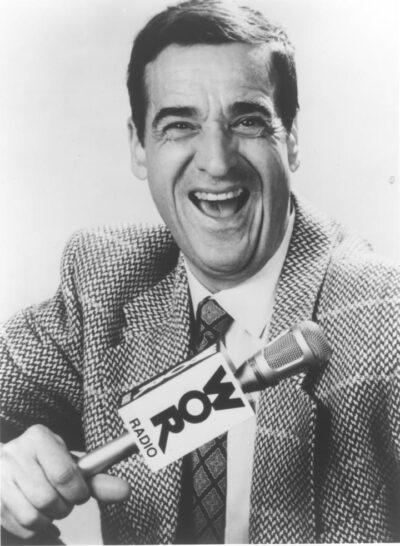
THE WOR YEARS: THE NIGHT BELONGS TO JOEY
From 1996 to 2010, Joey Reynolds presided over America’s overnight hours from WOR New York, syndicated nationally to more than 100 stations. His show was a chaotic cocktail of:
- musicians
- comedians
- politicians
- newspaper editors
- film stars
- spiritual leaders
- inventors and eccentrics
- long, unfiltered monologues
Joey turned nighttime radio into his personal salon — funny, fearless, often profound, always unpredictable. He broadcast from Russia, Israel, China, and countless American cities. The show became a living museum of American culture expressed through the lens of one man’s restless creativity.
In 1998, the Rock & Roll Hall of Fame recognized Joey for his role in shaping rock radio. A year later, the Buffalo Broadcasters Hall of Fame inducted him as well.
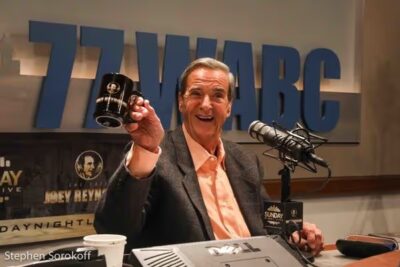
THE DIGITAL AGE: REINVENTING AGAIN (AND AGAIN)
When WOR ended the show in 2010, Joey simply shifted mediums.
He hosted All Night with Joey Reynolds on WNBC-DT2 — broadcast live from the NASDAQ studio in Times Square. With cameras, a street-level studio, sidekick Jay Sorensen, and streaming access worldwide, Joey again proved he was years ahead of the industry.
He appeared in Evocateur: The Morton Downey Jr. Movie (2013).
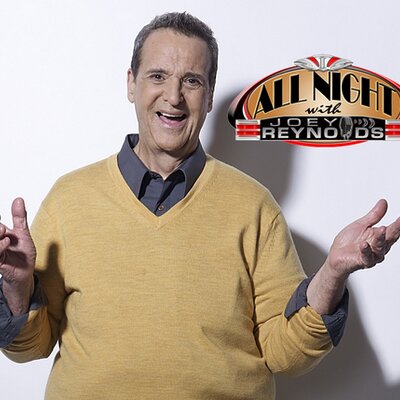
He ran triple-cast shows across WABC, KABC, and online streaming.
He embraced YouTube, Facebook, indie networks, and experimental media formats.
He became a board member and advisor for new digital TV ventures.
He never retired.
He never slowed.
He simply shifted platforms — the way great innovators do.
JOEY REYNOLDS TODAY: STILL EVOLVING
Today, Joey splits time between Florida and New York, producing commentaries, videos, archival releases, and travel logs. His Facebook feed — “The Late Joey Reynolds” — remains a lively mix of wit, memory, and mischief.
He continues to shape, critique, and celebrate the medium that made him a legend.
And true to form, he signs off with the line that has followed him through every station, every city, and every era of broadcasting:
“Let a smile be your umbrella… but don’t get a mouthful of rain.”
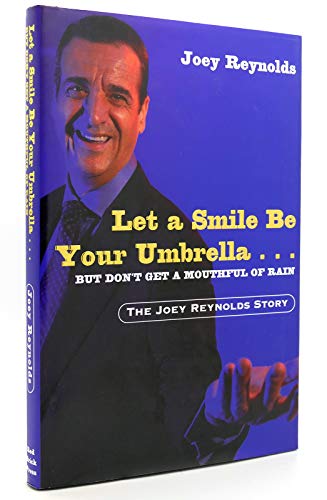
A LIVING LEGEND WHO REFUSES TO STAND STILL
Joey Reynolds is not done.
His story isn’t a closed book or a nostalgic footnote.
It is still unfolding — playful, surprising, inventive, and defiantly human.
Joey Reynolds is evolving.
Please stand by.
Oh, PS. Don’t forget about Joey Reynolds’ World Famous Cheesecake.
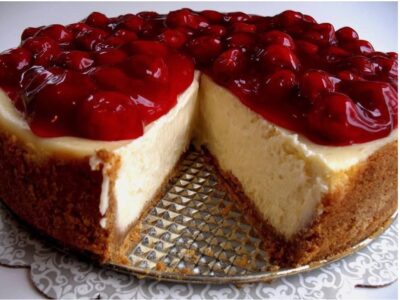
The creamiest, dreamiest, yummiest cheesecake you’ve ever tasted.
