
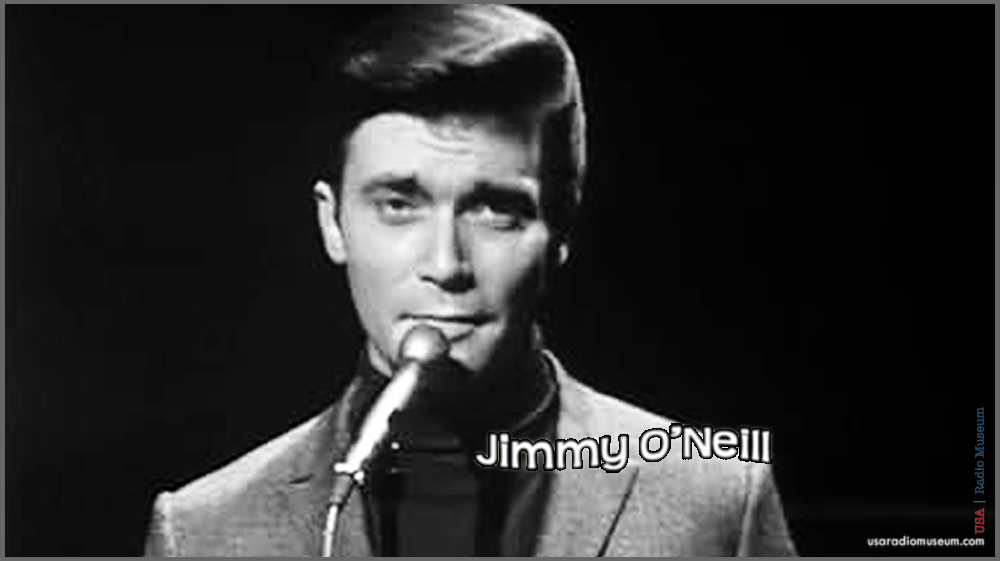
The Iconic Broadcasting Star Who Introduced '60s Hits on Radio and on Television James Franklin "Jimmy" O'Neill, born on January 8, 1940, in Enid,
The Iconic Broadcasting Star Who Introduced ’60s Hits on Radio and on Television
James Franklin “Jimmy” O’Neill, born on January 8, 1940, in Enid, Oklahoma, was destined to become one of the most dynamic and charismatic figures in radio and television history. Starting his broadcasting journey as a teenager, O’Neill quickly climbed the ranks, shaping Top 40 radio and leaving an indelible mark on American entertainment.
Early Career and Rise to Fame
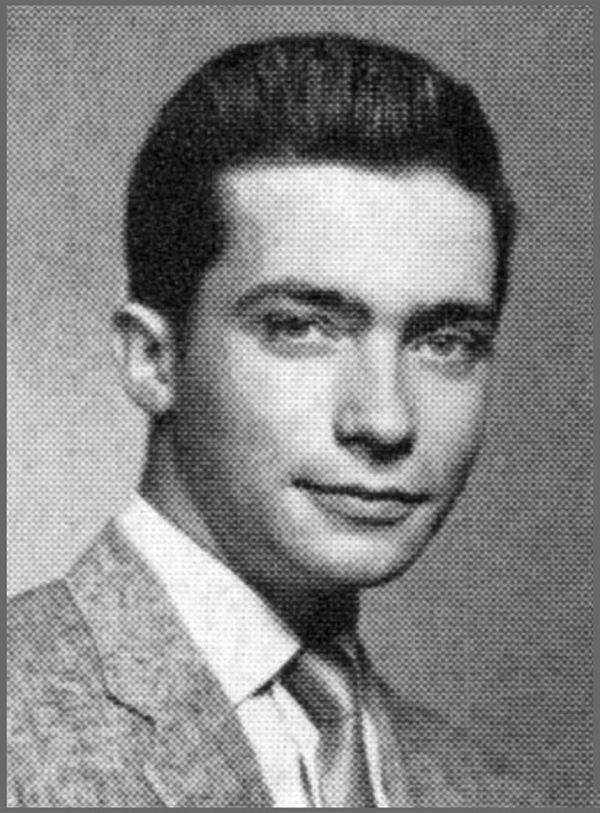
Jim O’Neill, photographed at age 19.
O’Neill’s passion for broadcasting began in high school when he took a broadcasting class, which led to his first job at KGWA in his hometown of Enid in 1957. By 1958, he had moved to WKY in Oklahoma City, and a year later, his exceptional talent earned him a position at KQV in Pittsburgh. At just 19 years old, he became a sensation, captivating listeners with his youthful energy and unmistakable style.
The Los Angeles Years and National Stardom
Jimmy O’Neill’s career reached new heights when he joined KRLA in Los Angeles in 1959, becoming the first voice heard as the station transitioned to a Top 40 format. His charisma and ability to resonate with audiences made him one of Los Angeles’ most popular DJs. He later worked at KFWB, another major Top 40 station, from 1963 to 1967, continuing to build his reputation as a trailblazer in radio broadcasting.
In 1964, O’Neill expanded his reach to television, becoming the host of the groundbreaking musical variety show Shindig! on ABC. The program was a cultural phenomenon, introducing viewers to some of the most iconic rock ‘n’ roll acts of the era, including The Beatles, The Rolling Stones, Sam Cooke, and The Supremes. O’Neill’s youthful energy, natural charm, and genuine love for music made him the perfect host for the show, which became a centerpiece of 1960s American television. Although Shindig! was canceled in 1966, it left an enduring legacy as one of the first programs to give rock ‘n’ roll a national platform.
Later Career and Challenges
Following his success on Shindig!, O’Neill continued his radio career, working at stations like KDAY in Los Angeles and KOB in Albuquerque during the late 1960s and 1970s. He also had stints at WOW and KOIL in Omaha and returned to KRLA in the 1980s and 1990s. Despite facing personal challenges, including struggles with substance abuse, O’Neill remained a passionate broadcaster and continued to engage audiences with his distinctive voice and flair.
A Legacy Remembered
Jimmy O’Neill passed away on January 11, 2013, in West Hollywood, California, due to complications from diabetes. He was 73 years old. His career spanned decades, and his contributions to both radio and television remain significant.
Closing Thoughts on His Legacy
Jimmy O’Neill’s impact on the entertainment industry is a testament to his talent, charisma, and passion for broadcasting. From revolutionizing Top 40 radio to hosting Shindig!, he bridged the worlds of radio and television, helping to define an era of music and culture. O’Neill’s ability to connect with audiences and promote emerging talent left an indelible mark on American pop culture, ensuring his place among the legends of broadcasting. His dynamic voice and vision continue to inspire those who strive to innovate and connect through the power of media.
_____________________
Contact: jimf.usaradiomuseum@gmail.com
_____________________
A USARM Viewing Tip: On your PC? Mouse/double-click over the images for expanded views. On your mobile or tablet device? Finger-tap all the above images inside the post and stretch image across your device’s screen for LARGEST digitized view. Then click your browser’s back arrow to return to the featured post.
© 2026 USA Radio Museum. All Rights Reserved.

Um…no. KDWB’s Jim O’Neill was an entirely different personality:
“In 1959, O’Neill joined KDWB in Minneapolis-St. Paul, where he played a pivotal role in establishing the station as a Top 40 powerhouse. Known for his energetic personality and deep connection with listeners, O’Neill helped KDWB build a loyal audience, cementing its place in the thriving Twin Cities radio market. His tenure there paved the way for his move to the West Coast, where he achieved even greater fame.”
https://archive.org/details/jim-o-neill-1.1.62
https://archive.org/details/kdwb-am-st.-paul-jim-o-neill-2.15.65
https://archive.org/details/jim-o-neill-2.7.66-edited
https://archive.org/details/jim-o-neill-2.22.66_202312
https://archive.org/details/jim-o-neill-9.28.66
https://archive.org/details/jim-o-neill-8.4.67
Curt, thank you for taking the time to comment and for sharing your perspective.
The aircheck in question was part of a large KDWB folder—over 2GB—that was provided to the USA Radio Museum by Mark Yurko. Because it arrived as a bulk collection with no individual file‑level attribution, we had no way of knowing that this specific recording was originally yours. As you know, in the collector community, airchecks often circulate widely and are passed from person to person without the original source information attached. That appears to be the case here.
Accuracy matters to us, and we want to make sure your work is represented correctly.
As you pointed out, the aircheck is not the correct “Jimmy O’Neill” we highlighted (which I had selected from the folder due to its excellent quality) and we sincerely appreciate you flagging that. The real Jimmy O’Neill we highlighted was associated with KFWB — not KDWB — and the link you provided confirms precisely that. I will remove the incorrect aircheck from the page and delete the Mark Yurko credit reference, and the KDWB reference in the post you pointed out, as well. I apologize to you for the mix‑up. Yes, at times we have been incorrect, having been pointed out, here at USARM.
Thank you also for keeping your KDWB memories alive at the Internet Archive. Your contributions there help preserve an important part of radio history in Minneapolis-St. Paul, and we appreciate you sharing that work with the community. If we ever do a feature on KDWB, we’ll keep your treasures there in mind if you may allow us (and to your absolute credit).
And finally, thank you again, Curt, for visiting the USA Radio Museum website and helping us keep the historical record as accurate as possible. — Jim Feliciano, USA Radio Museum.
“The featured audio presentation is owned and courtesy of Mark Yurko, of Langhorne, PA.”
Bullshit. I personally recorded that O’Neill aircheck on that date. See my other comment and visit this page for all my stuff:
https://archive.org/details/@evan_curfew?sort=-downloads
An apology would be welcomed, Mr. Feliciano.