
Few broadcasters have left a deeper imprint on Los Angeles radio than Jhani Kaye. Over several decades, Kaye helped define the sound, standards, and s
Few broadcasters have left a deeper imprint on Los Angeles radio than Jhani Kaye. Over several decades, Kaye helped define the sound, standards, and success of some of the city’s most influential stations—among them KOST 103 FM, K-Earth 101, 94.7 The Wave KTWV, KBIG FM and KFI—becoming one of the longest-running and most respected music program directors in the nation’s largest radio market.
In this interview for Real Oldies Music Radio, Jhani Kaye sits down with Jim Hampton to trace a career shaped as much by instinct and relationships as by ratings books and strategy. He recalls nearly passing on the opportunity that would change everything—his move to KOST FM—until a trusted friend urged him to take the leap. That decision led to a remarkable run and a reputation for integrity, discipline, and creativity in an unforgiving marketplace.
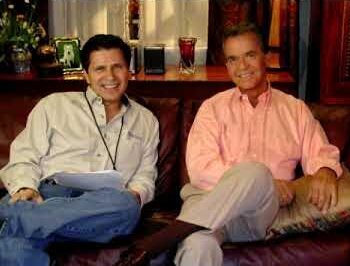
Jhani Kaye & Dick Clark
Kaye also shares a revealing early story about landing the KOST job after an unexpected dinner with radio programmer Mary Catherine Sneed. Initially turned down, he later caught her attention not through self-promotion, but by quietly helping a colleague complete music logs late at night at KFI—a moment that spoke volumes about character and work ethic.
The conversation dives deep into the innovative era at KOST 103 in the early 1980s, when programming teams were literally rushing to finish last minute preparations before airtime. Kaye explains how strict limits on commercial loads, a strong local focus, and bold promotions—including renting out Disneyland for private events—helped define a brand built on trust and “high moral standards.” Partnerships with Dick Clark on television campaigns further elevated the station’s profile and influence.
Kaye also walks viewers through his programming philosophy: fewer mistakes matter more than flashy ideas, talent should sound like real people with real names, and branding must be consistent enough to survive focus groups and ratings pressure. From “Love Songs on the KOST” to the now-famous “along [pause] the KOST” weather phrasing, his decisions were rooted in how listeners actually experience radio.
Career transitions are another major theme. Kaye discusses high-stakes negotiations, the wisdom of hiring an expert negotiator, and the pressure of being handed “one book” to turn around K-Earth’s performance. He recounts bold talent moves, bringing back iconic imaging voices like Charlie Van Dyke, and navigating rare talent swaps between major radio groups—changes that ultimately paid off.
A Career That Shaped a Market
Jhani Kaye’s résumé reads like a history of modern Los Angeles radio. He most recently served as Program Director for K-Earth 101 and 94.7 The Wave, and previously programmed KOST FM for more than 17 years—maintaining a 23-year association with the station. Over the course of his career, he has been an air talent throughout LA (K-ROQ, KUTE 102, KKDJ, and 50,000 watt powerhouse KGBS) and in many other markets including Chicago at WCFL. Also, he was a Program Director, Station Manager, Consultant, and General Manager, often overseeing multiple stations simultaneously.
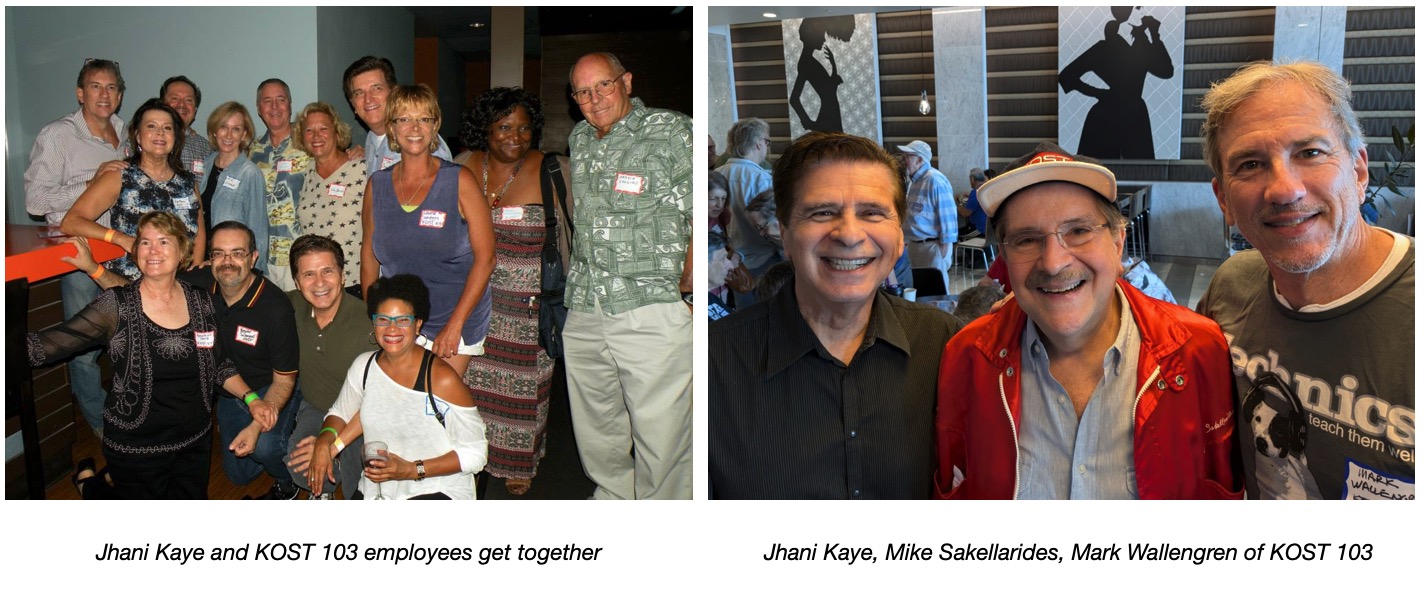
His achievements include two Marconi Awards, four Billboard Awards, three Gavin Awards, and numerous Radio & Records honors for Station of the Year. Individually, Kaye earned four Billboard Awards and two Gavin Awards as Program Director of the Year—so many, in fact, that the Marconi Awards eventually limited consecutive wins.
Beyond radio, Kaye has directed television commercials featuring Dick Clark, Leeza Gibbons, Smokey Robinson, Brian McKnight, and other major figures, and has worked extensively as a television editor through his company, Los Feliz Post. Today, he continues to produce television bios, direct awards events, and choose projects driven by passion rather than obligation.
From his beginnings in Hemet and the Inland Empire to the top floors of Los Angeles radio, Jhani Kaye’s story is one of preparation meeting opportunity—and of a broadcaster who proved that success and decency don’t have to be mutually exclusive.
###

IDave Martin, who I had hired as WCFL PD who hired then Johnny Kay as APD. It was a tough job to switch WCFL back to music after years of talk, but I could not have had a better local programming team. Sorry that I had to leave Mutual so soon after the format flip to form United Stations with Dick Clark and Nick Verbitsky.