
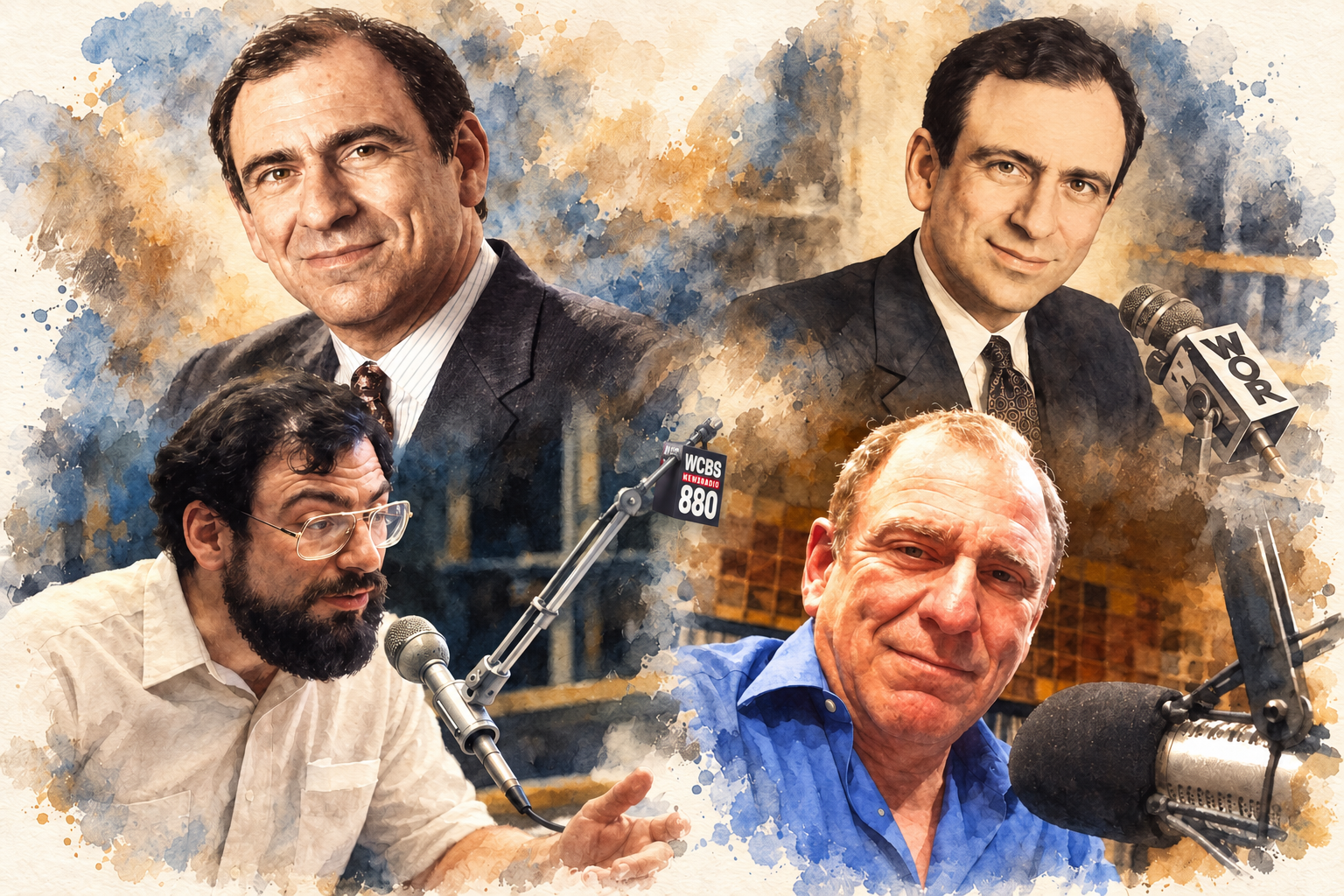
Gil Gross has delivered the news on some of America’s best-known stations, anchored network coverage of historic events, and stepped behind the mi
Gil Gross has delivered the news on some of America’s best-known stations, anchored network coverage of historic events, and stepped behind the microphones of Paul Harvey and Charles Osgood. But ask him about his career, and the stories quickly become personal: a college classmate who mentioned a job opening, a news director who recognized his judgment, and a colleague who helped him keep his own name on the air.
Across nearly six decades, Gross has moved comfortably between serious journalism, lively conversation and the kind of storytelling that makes a listener stop and pay attention. His career connects the rock-and-roll excitement of Chicago’s WLS with the newsrooms of ABC and CBS and the community involvement of San Francisco’s KGO.
In the interview below, Jim Hampton welcomes Gil Gross to the USA Radio Museum for a conversation about the breaks that launched his career, the broadcasters who shaped it, and why radio’s greatest strength remains its connection with people.
A Backstage Conversation Changes the Plan
Gross did not enter college determined to become a broadcaster. He was studying political science, imagining a future with the State Department, and helping pay his way by loading freight into trucks late at night.
Then, during a college production of Inherit the Wind, a fellow cast member mentioned that a local radio station was looking for someone. Gross, who was playing the judge, followed up. The station was WDZ in Decatur, Illinois.
He knew little about broadcasting. He did not even have the required FCC license. But the station’s news director hired him and became an important early mentor. A trip to Chicago, a study guide and a helpful FCC employee got him through the licensing test.
Radio offered a way to work through school. Only later would it become the work that defined his life.
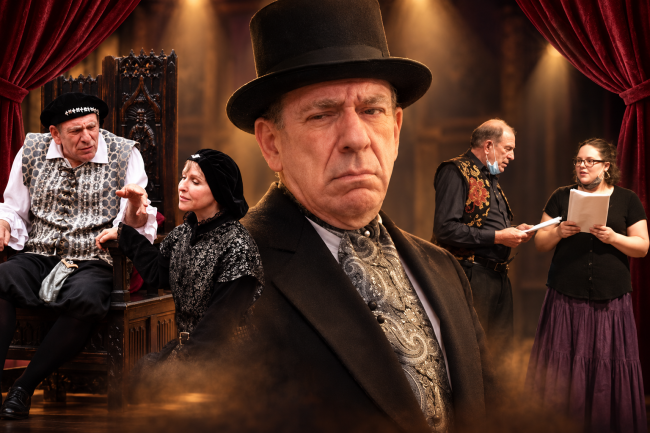
Gil Gross, Actor
The Story He Wouldn’t Put on the Air
While pursuing graduate studies in Chicago, Gross worked overnight at an easy-listening station, studying between hourly newscasts. When he considered leaving town, his girlfriend encouraged him to look for another job locally.
He arranged auditions at WLS and WGN, expecting little. He never made it to WGN. WLS news director Phil Hayes hired him even though, Gross recalls, there was no opening.
Years later, Hayes explained why. During his audition, Gross had rewritten several wire-service stories but left one unfinished. He did not believe both sides were represented and said he would make phone calls before broadcasting it.
That decision told Hayes more than a polished delivery could. The young applicant understood that a newsman’s responsibility began before the microphone went on.
Gross carried that independence into his network career. He recalls leaving ABC during a dispute over a story he believed belonged in his newscast. When he returned, management knew his objections were more than talk.
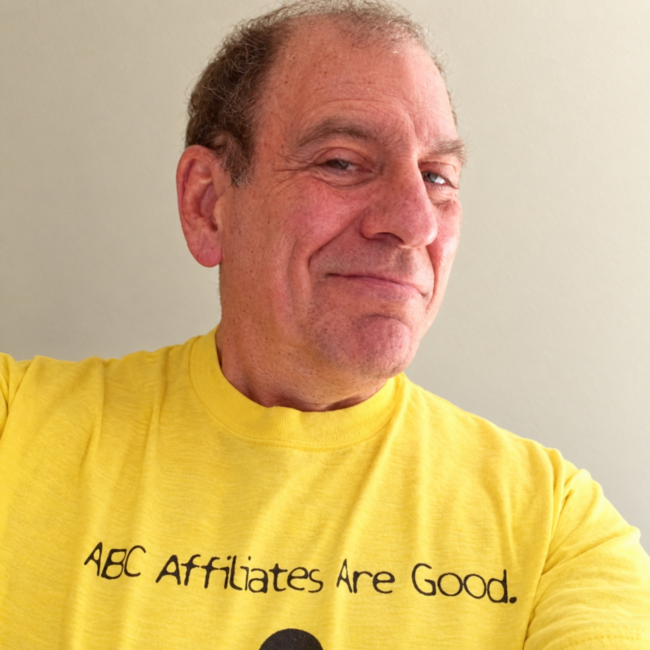
Keeping the Gross Name
WLS also gave him a deeply personal gift, thanks to fellow newsman Lyle Dean.
When Gross arrived, management was considering an on-air name for him. His father had died only months earlier, and the thought of abandoning his family name troubled him.
Dean found a simple solution. While the naming discussion was still underway, he handed Gross a newscast and suggested that he go on the air. Once listeners had heard Gil Gross, Dean reasoned, management would be stuck with it.
Gross still tells that story with gratitude. In a business filled with carefully constructed personalities, someone had helped him remain himself.
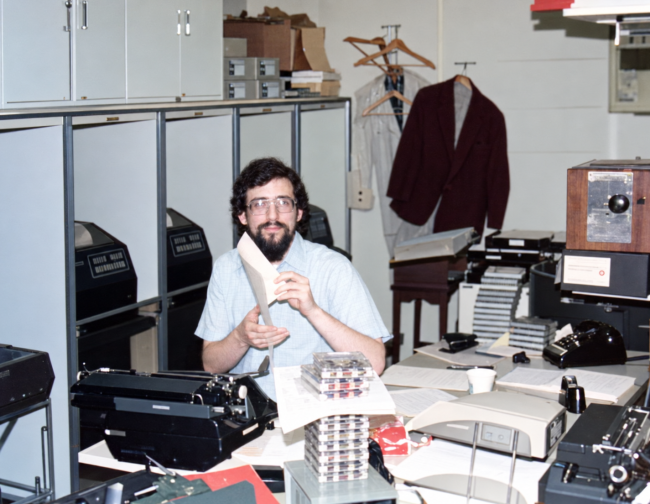
Young Gil Gross at the news typewriter
When Chicago Needed Blood
One of his proudest WLS memories began with a news report about a severe blood shortage. Gross and morning personality Charlie Van Dyke were discussing the effect on Chicago hospitals when Gross suggested they stay on the air until the city collected enough blood to end the shortage.
Van Dyke agreed. Station management backed them, and Hayes contacted the Red Cross and hospitals to prepare for donors.
According to Gross, the broadcast lasted more than 30 hours. Celebrities joined in, fellow broadcasters helped, and listeners responded. He recalls that the effort ended the immediate shortage and generated pledges for future donations.
The experience stayed with him through years of network work. Here was radio identifying a problem in its own community and giving people a way to help solve it.
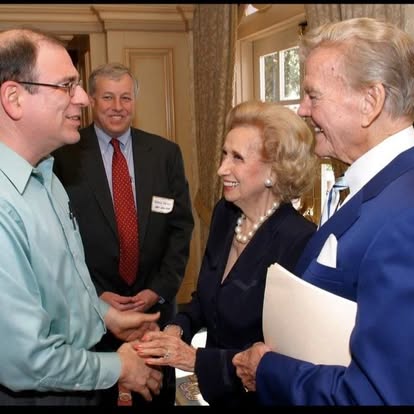
Gil & Paul Harvey
“You Had to Hold Them With Your Words”
Gross describes himself first as a writer and journalist. That helps explain his connection with Paul Harvey, whose broadcasts depended on carefully chosen words and the rhythm of a story.
“You had to hold them with your words,” Gross says.
Although their personal politics differed sharply, Harvey admired Gross’s writing. One especially treasured note followed Gross’s account of a dying pilot’s last flight. Harvey wrote that he would never forget the story, referring to it by the title Gross had placed on his script: Final Flight.
Gross also filled in for Charles Osgood at CBS, giving him experience with two of network radio’s most distinctive storytellers.
But he is careful about how his role after Harvey’s death is described. Gross says he presented two weeks of memorial broadcasts, then agreed to a limited 13-week assignment while the company sought a longer-term solution. He declined the permanent role.
His explanation captures the respect he felt for Harvey: “You don’t fill those shoes. You bronze them, you put them in the Smithsonian.”
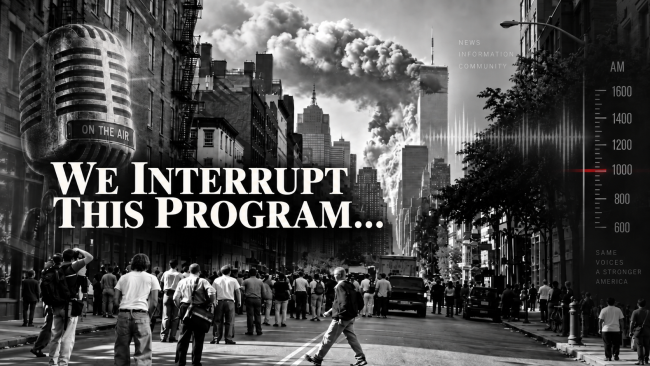
September 11 Was His Neighborhood
Gross’s network assignments included the Atlanta Olympics bombing and the September 11 attacks. The latter carried an intensely personal weight: he lived about three and a half blocks from the World Trade Center.
For his family, the complex was part of everyday neighborhood life. It was where children gathered before games, where families stopped for coffee, and where a weekend pharmacy could fill an urgent prescription.
Returning after the attacks, he found nearly empty streets, an abandoned vendor’s cart and a skyline where familiar towers had vanished. He remembers missing-person posters and flowers left outside firehouses, as well as reporters overcome by grief.
In the interview, those details bring the event back to a human scale. The broadcaster reporting a national catastrophe was also a neighbor trying to absorb what had happened to the place he called home.
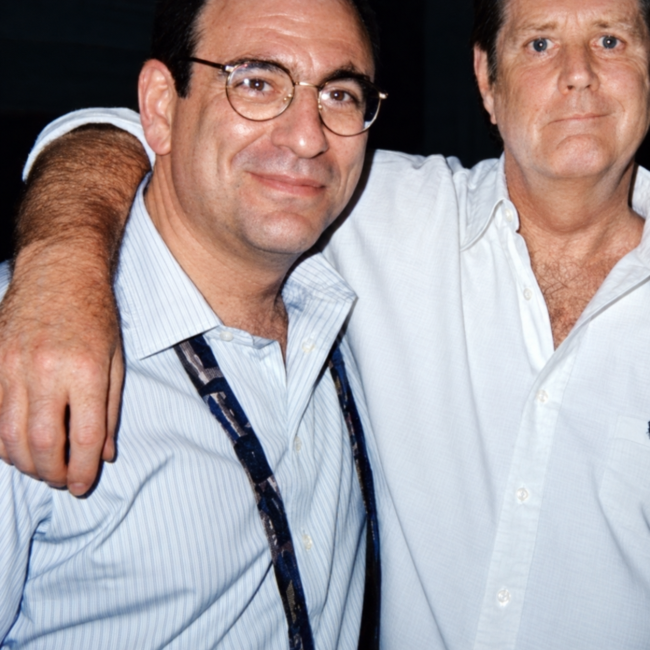
Gil and Beach Boy, Brian Wilson
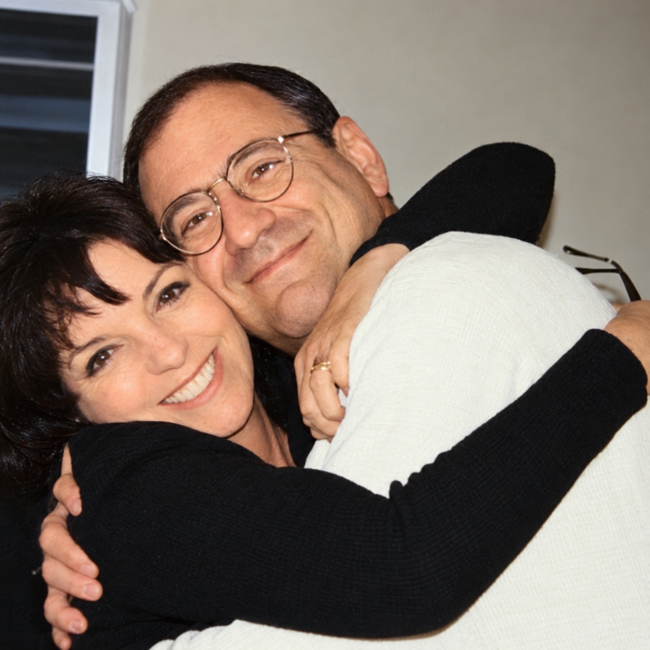
Gil and Liza Minelli
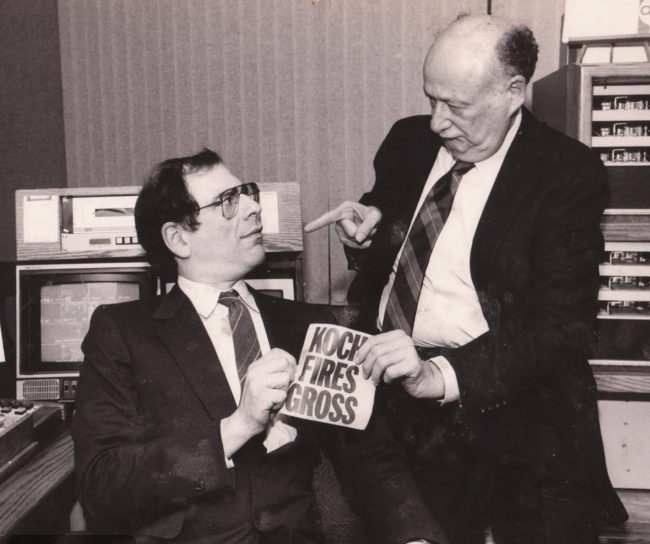
Gil and New York Mayor Koch
Making Room for Music—and for Complexity
On his CBS network talk program, Gross interviewed political leaders and entertainers. Friday-night conversations about music offered a welcome break from Washington’s battles.
He and his producer discovered that artists who might resist a conventional interview often welcomed the chance to discuss their influences. The resulting conversations brought together performers from widely different musical worlds, including Burning Spear, Liza Minnelli and Brian Wilson.
Gross remembers those interviews fondly. He also remembers the increasing difficulty of sustaining a talk show that welcomed different viewpoints without demanding allegiance to one political camp.
For a journalist interested in questions with complicated answers, the pressure to make everything black or white left less room for the conversations he wanted to have.
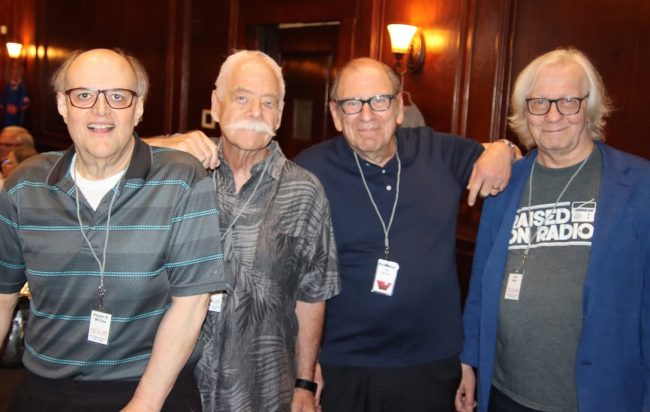
WLS reunion – Kipper McGee, Fred Winston, Gil Gross, Jim Kerr
Returning to Radio That Could Help
That desire for meaningful local connection helped draw him to KGO, where he succeeded Pete Wilson in the afternoon lineup in 2007.
Gross recalls the appeal of a station built around live, local broadcasting and the chance to do more than discuss problems. Among his favorite experiences were broadcasts supporting San Francisco meal programs, which he says raised more than $1 million annually.
The satisfaction was direct: people listened, people contributed, and people were fed. It was the same feeling he had experienced during the WLS blood drive years earlier.
Still Curious, Still Telling Stories
Gross’s interests extend into music collecting, preserving recordings and performing Shakespeare with his wife. In the interview, he says December 4 will mark 60 years since his start in radio—and that his college roommate recorded that first broadcast.
He also remains curious about broadcasting’s future. He worries about artificial intelligence producing errors, but recognizes its potential to deliver reliable reporting in languages and places that established news organizations struggle to reach. His openness comes with an insistence on human judgment.
It is a familiar standard from the young applicant who refused to broadcast an incomplete story at WLS. Through new formats, new cities and new technology, Gross keeps returning to the same questions: Is the story right? Will people understand it? Can it make a difference?
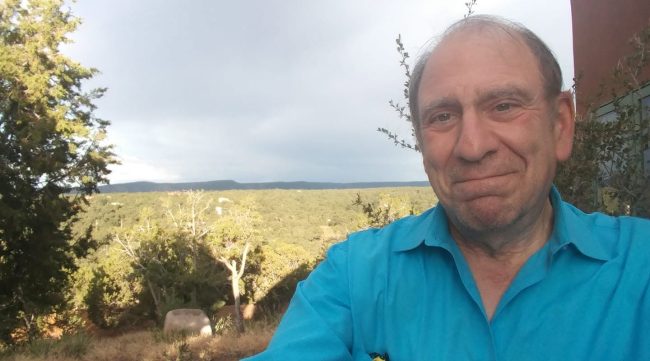
The USA Radio Museum salutes Gil Gross. These memories preserve the sound and spirit of a remarkable career—and the people who helped make it possible.
###
