
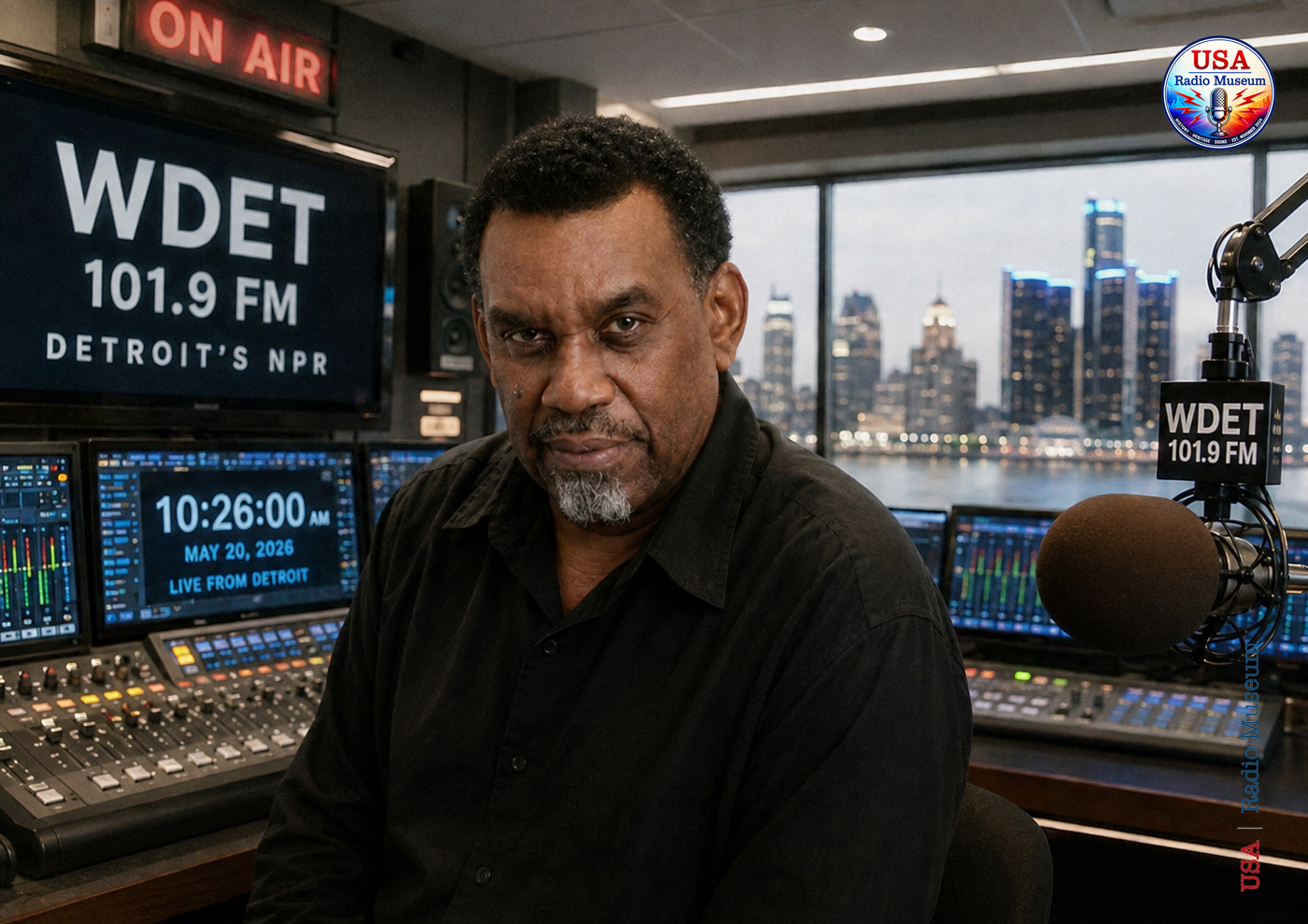
Today the USA Radio Museum Celebrates Jay Butler’s Extraordinary 62‑Year Radio Legacy One week ago, Sunday, August 2, 2026, Jay Butler signed off f
Today the USA Radio Museum Celebrates Jay Butler’s Extraordinary 62‑Year Radio Legacy
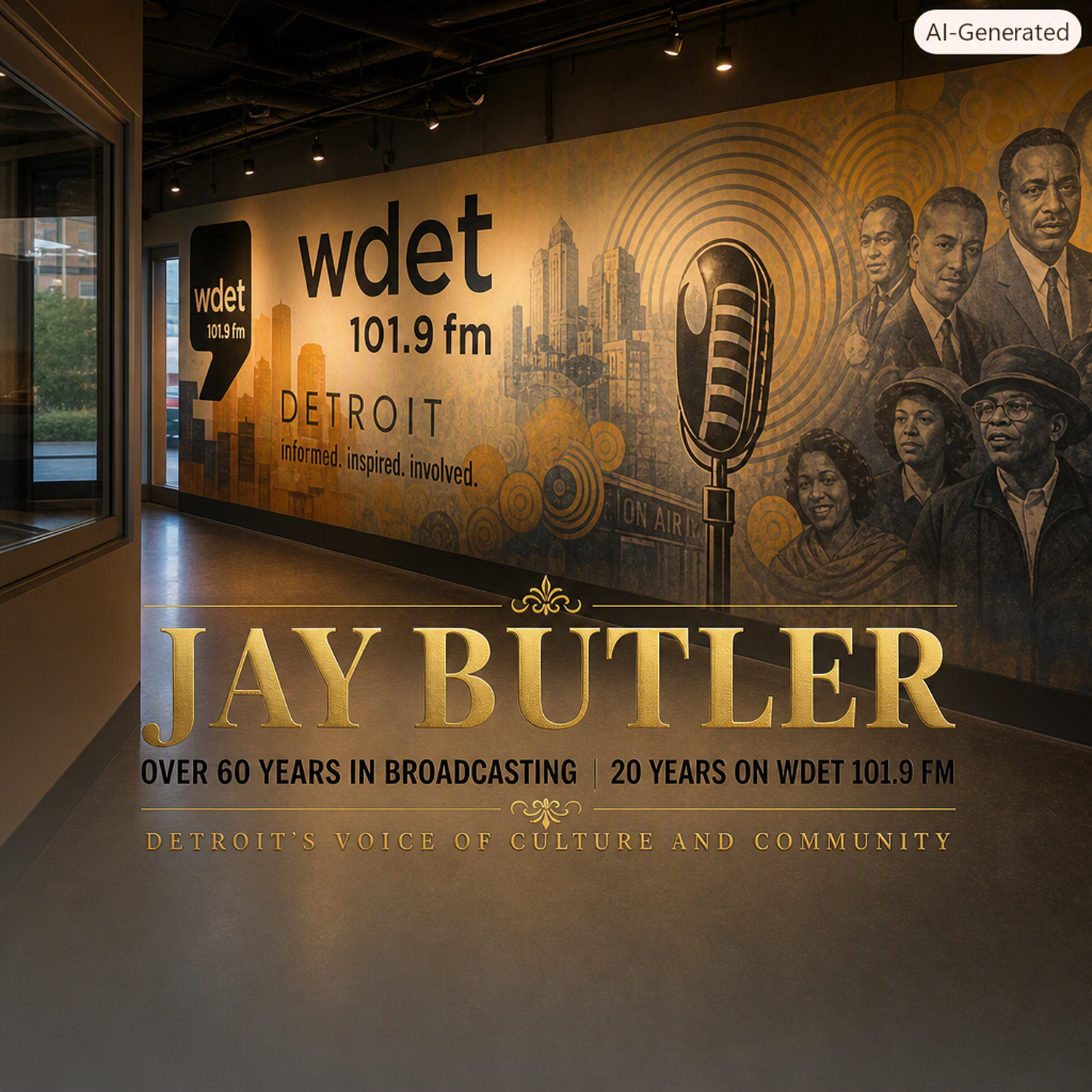 One week ago, Sunday, August 2, 2026, Jay Butler signed off from WDET for the final time. It was a transitional ending to a monumental chapter — the close of a broadcasting career that spanned more than six decades and helped shape the sound, soul, and identity of Detroit radio. For generations of listeners, Butler was more than a voice on the air. He was a cultural architect, a storyteller, a curator of Detroit’s musical heritage, and a trusted companion whose warmth and authenticity made him one of the most respected figures in urban radio.
Today, as the USA Radio Museum preserves his final broadcast — along with his second‑to‑last show from July 26 — we honor a man whose influence stretched from the early days of R&B radio to the modern era of public broadcasting. Jay Butler’s journey is the story of Detroit itself: resilient, soulful, rooted in community, and powered by music. — USA Radio Museum
__________________
A Beginning in Tennessee: The Making of a Broadcaster
Jay Butler’s radio story began far from Detroit, in Jackson, Tennessee. At just 15 years old, he stepped behind the microphone at WJAK, discovering the gift that would define his life. His voice — smooth, warm, and unmistakably confident — quickly set him apart. From WJAK he moved to WVOL in Nashville, sharpening his craft in one of the South’s most vibrant Black radio markets.
These early years were foundational. Butler learned not only how to deliver music, but how to connect with people — how to speak to a community, how to build trust, and how to make radio feel personal. Those skills would become essential when he arrived in the city that would embrace him as one of its own.
WCHB Detroit: A Voice for the Motor City
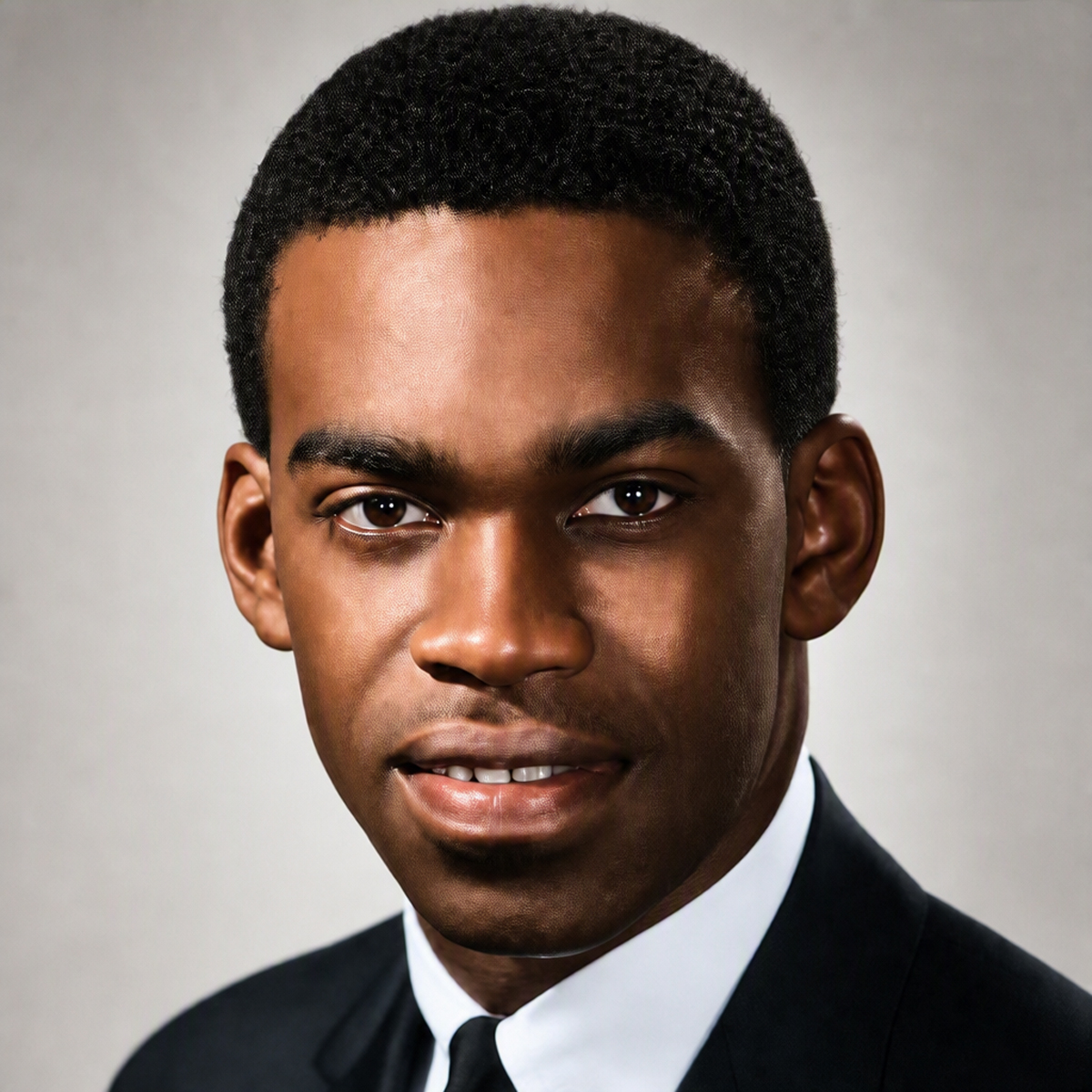
Jay Butler, WCHB, 1967.
When Jay Butler joined WCHB, Detroit’s pioneering Black‑owned radio station, he stepped into a role that would define his legacy. WCHB was more than a broadcaster; it was a cultural institution, a lifeline for Detroit’s Black community, and a platform for voices that mainstream media often ignored. Butler became one of the station’s most influential personalities, shaping its identity during a period of explosive growth in R&B, soul, and gospel.
His delivery was smooth yet commanding. His presence was warm yet authoritative. He played the music Detroit lived by — and he championed emerging artists who would later become icons. Butler understood that Detroit’s music scene was bigger than any single label. He made sure listeners heard the full spectrum of the city’s sound.
At WCHB, he wasn’t just spinning records. He was shaping culture.
Motown, The Funk Brothers, and Detroit’s R&B Renaissance
Jay Butler’s connection to Motown ran deep. As a DJ and entertainment programmer, he helped introduce countless soul artists to Detroit audiences. He promoted the work of The Funk Brothers, Motown’s legendary house band whose musicianship powered more No. 1 hits than The Beatles, Elvis, The Rolling Stones, and The Beach Boys combined.
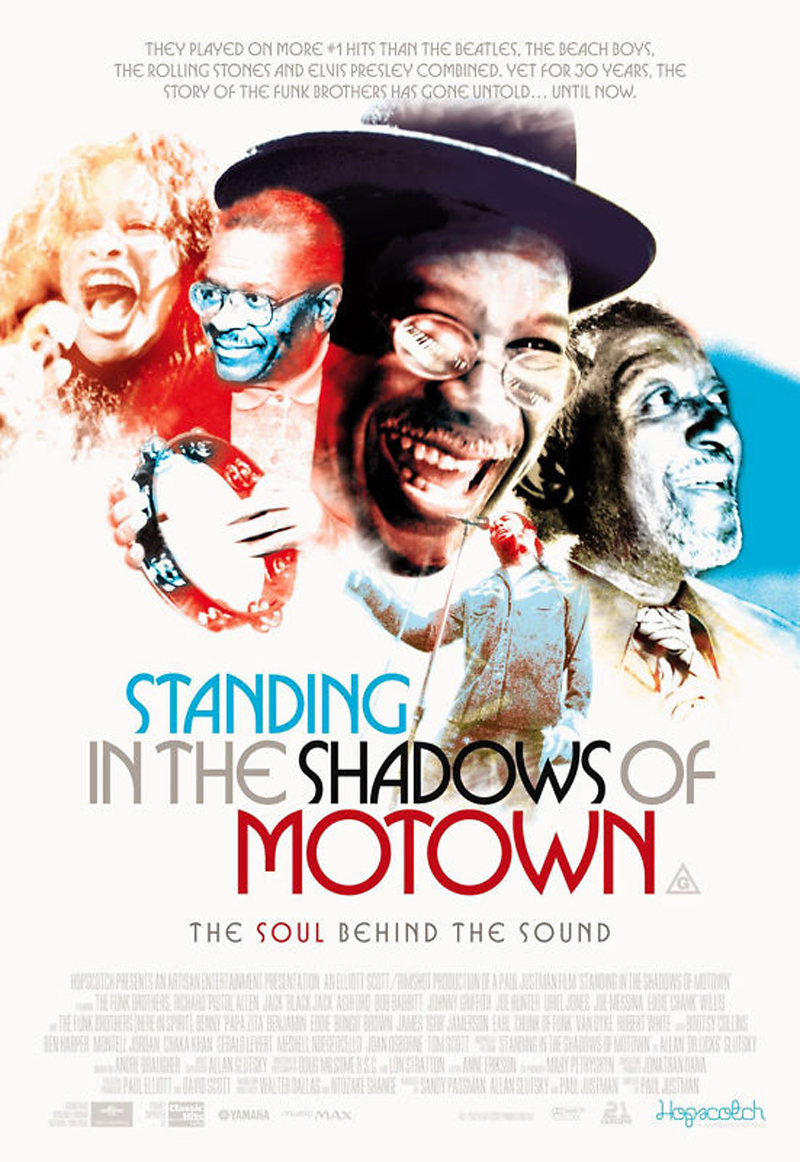 Butler recognized early on that the Funk Brothers were the heartbeat of Motown — the unsung heroes behind the sound that changed American music. He championed them on the air, supported them in the community, and ensured their contributions were acknowledged long before the wider world caught up. Jay understood that Motown’s brilliance wasn’t just Berry Gordy’s vision or the star power of Diana Ross, Marvin Gaye, Smokey Robinson, or Stevie Wonder — it was also the quiet genius of the musicians in the shadows, the men who crafted the grooves that defined a generation.
Jay’s advocacy extended beyond the studio. In the late 1960s, he became involved in Motown‑related events, introducing artists on stage — including Aretha Franklin — and lending his baritone voice to live performances that helped cement Detroit’s reputation as the epicenter of soul. His introductions were more than formalities; they were moments of celebration, reverence, and pride. Jay carried Detroit’s musical heritage with him wherever he went, and audiences felt that authenticity every time he stepped to the microphone.
He also played a crucial role in elevating Detroit’s broader R&B ecosystem. On WCHB and later WJLB, Jay made sure listeners heard not only Motown’s biggest stars but also the city’s other powerhouse labels — Ric‑Tic, Revilot, Golden World, Hot Wax, D‑Town, Invictus — ensuring that Detroit’s full creative landscape was represented. He was known to having religiously canvassed the city’s inner-city night club venues in search of new recording talents and names highlighting billings at the Chit-Chat Bar, the 20 Grand, the Fox, the Pumpkin, Phelps Lounge, and Baker’s Keyboard Lounge. His programming helped build a musical identity that was inclusive, diverse, and deeply rooted in the city’s Black community.
Decades later, in 2001, Butler appeared on stage at the Royal Oak Music Theatre, introducing the Funk Brothers during a filmed performance that became part of the acclaimed 2002 documentary Standing in the Shadows of Motown. His presence in that film is more than a cameo; it is a testament to his lifelong commitment to preserving Detroit’s musical heritage. Jay’s voice — steady, warm, authoritative — became the bridge between the musicians who shaped Motown’s sound and the audiences who had loved them for decades.
_____________________
Standing In The Shadows Of Motown | Jay Butler at the Royal Oak Theater (Royal Oak, MI.) | 2001
Audio Digitally Enhanced by USA Radio Museum
_____________________
His appearance in the documentary also symbolized something larger: Jay Butler was one of the few broadcasters who had lived through Motown’s rise, championed its artists in real time, and continued to honor its legacy long after the spotlight shifted. He was a steward of Detroit’s musical memory, a guardian of the stories behind the songs, and a voice who made sure the Funk Brothers finally received the recognition they deserved.
Jay Butler didn’t just chronicle Detroit’s R&B renaissance. He helped define it.
WJLB: Leadership, Innovation, and a Meteoric Rise
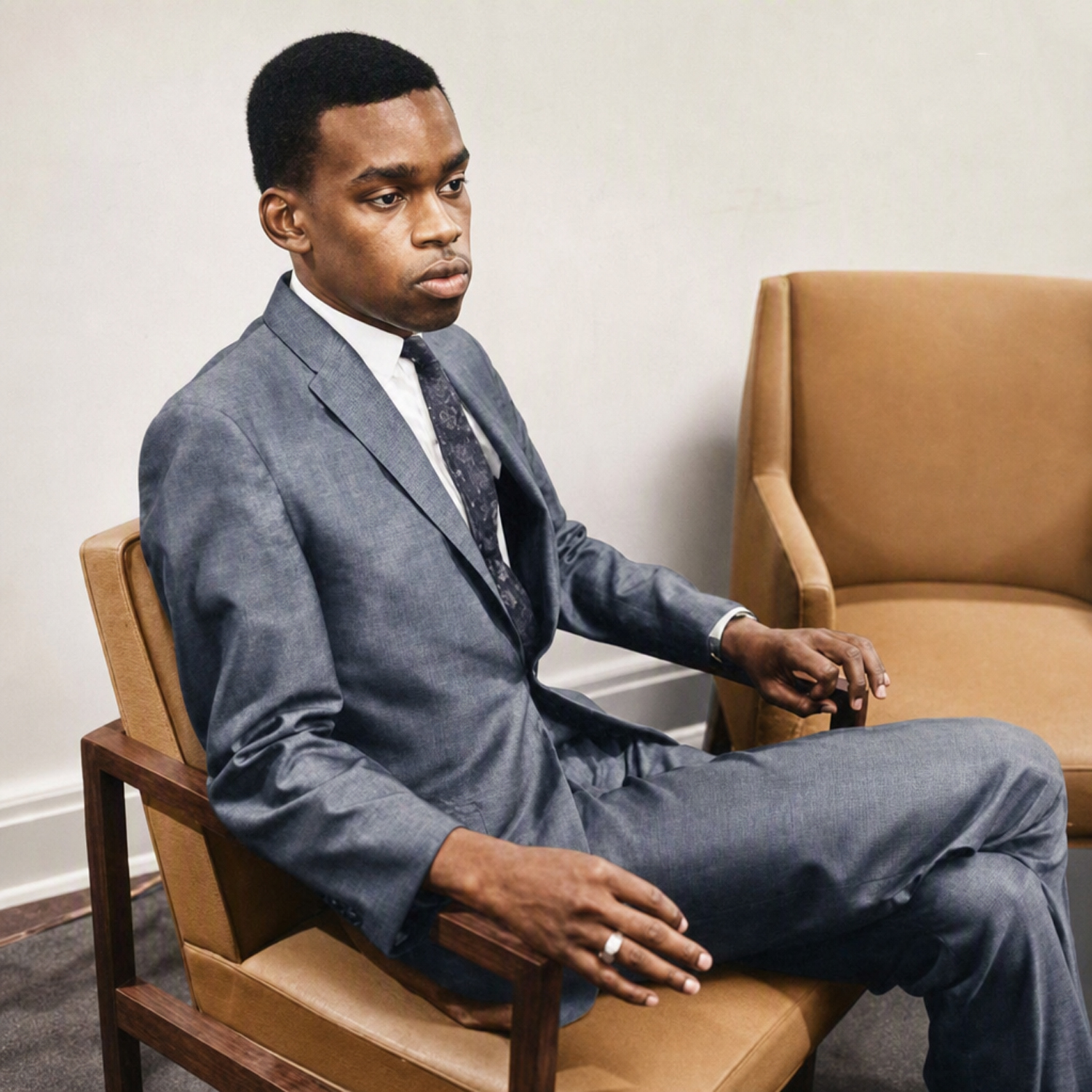
Jay Butler, WJLB, 1968.
After his tenure at WCHB, Butler transitioned to WJLB, where he served as Program Director. His leadership transformed the station’s fortunes, taking it from #14 to #2 in the Detroit market — a remarkable achievement that underscored his vision and understanding of urban radio.
Butler’s programming blended community engagement, musical innovation, and a deep respect for Detroit’s cultural identity. His voice became so iconic that it was featured in the opening scene of the 1976 film “Car Wash,” starring Richard Pryor — a moment that introduced his sound to a national audience.
He also worked in the record industry, contributing to Atlantic Records, United Artists, Playboy Records, and Whitfield Records, further expanding his influence across the music world.
A Return to Detroit’s Airwaves: WQBH and Martha Jean “The Queen”
In 1982, Butler returned to Detroit radio at WQBH, working alongside the legendary Martha Jean “The Queen.” Their partnership brought together two of Detroit’s most influential voices, creating a powerful blend of spirituality, community engagement, and musical heritage.
Their broadcasts became a staple of Detroit life — a Sunday ritual for thousands of listeners who tuned in for guidance, music, and connection.
The Gospel Years: Faith, Community, and Uplift
After decades in R&B and soul radio, Butler transitioned into gospel broadcasting — a move that reflected both his personal faith and his commitment to uplifting Detroit listeners. In 2007, he joined WLQV AM 1500, hosting FaithTalk Afternoons, a Christian talk program that blended music, ministry, and community storytelling.
His gospel years were marked by the same warmth, authenticity, and connection that defined his earlier career. Butler understood that radio could be a source of comfort, inspiration, and hope. He used his platform to encourage, to teach, and to bring people together.
WDET: Preservation, Storytelling, and “Jay’s Place”
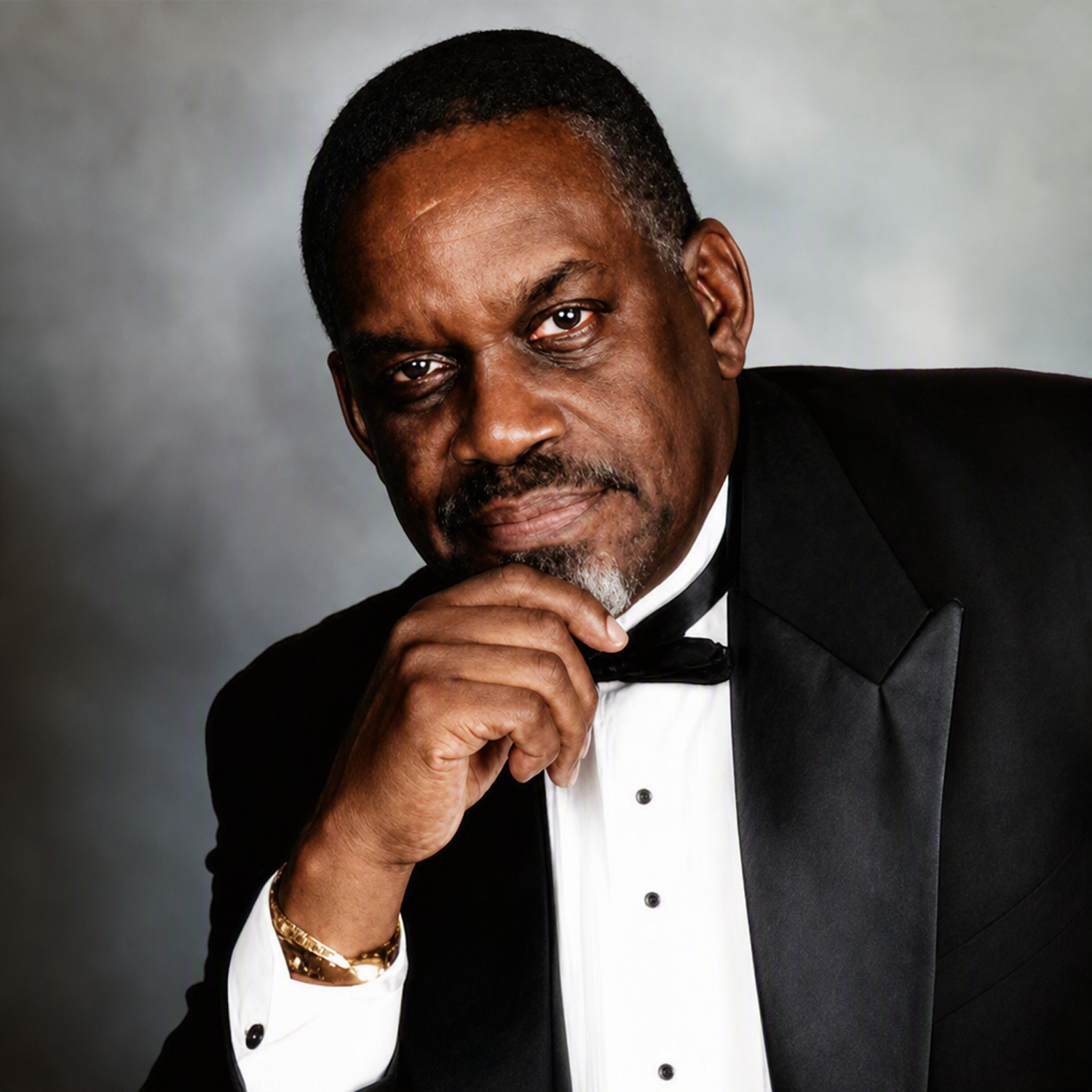
Jay Butler, WDET, early-mid 2000s.
For the last 20 years, Jay Butler has been a beloved presence on WDET 101.9 FM, where he curated music, shared stories, and built a loyal community that gathered with him every Sunday. His signature program, “Jay’s Place,” became one of the station’s most distinctive offerings — a blues‑and‑R&B‑infused sanctuary that felt less like a radio show and more like a weekly gathering spot.
“Jay’s Place” was a warm front porch of sound. Jay blended deep‑cut blues, classic R&B, gospel‑rooted soul, and Detroit rarities with the ease of a master curator. Between songs, he shared stories — about the artists, the studios, the neighborhoods, the clubs, the labels, and the people who shaped Detroit’s musical identity. His voice carried history, humor, reverence, and lived experience.
Listeners didn’t just tune in; they returned home to Jay’s Place.
The program became a living archive of Detroit’s musical heritage, preserving traditions that might otherwise have faded. Jay’s selections were intentional, often spotlighting overlooked blues musicians, forgotten B‑sides, and Detroit‑born recordings that deserved renewed attention. His storytelling stitched together decades of memory, giving younger listeners a sense of lineage and older listeners a sense of continuity.
“Jay Butler is a radio legend, and one of the most influential and important figures in Detroit media history,” said Adam Fox, Program Director for WDET. “He brought extraordinary knowledge, warmth, and authenticity to every broadcast. Through his music, his stories, and his connection with listeners, Jay created a true community.”
On August 2, 2026, Jay Butler delivered his final broadcast — a gentle, heartfelt farewell that now lives in the USA Radio Museum archive. His second‑to‑last broadcast, from July 26, is preserved as well, capturing the final moments of a voice that shaped Detroit radio for more than half a century. Together, these recordings represent the closing chapter of “Jay’s Place,” a program that will forever stand as one of WDET’s most soulful contributions to Detroit’s cultural landscape.
_____________________
WDET 101.9 | Jay’s Place | Sunday, July 26, 2026
Audio Digitally Enhanced by USA Radio Museum
_____________________
Honors, Recognition, and Legacy
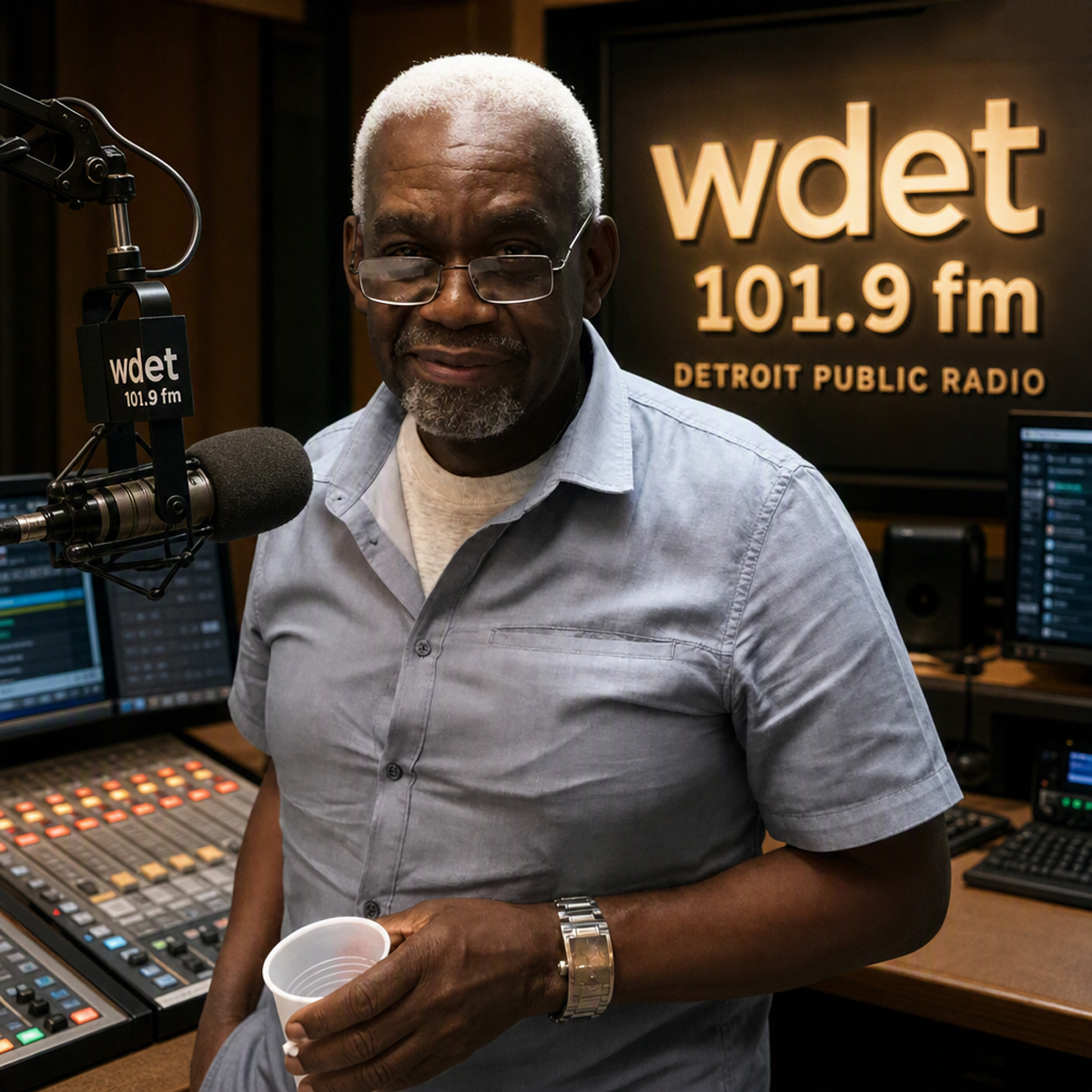
Jay Butler, WDET, 2024.
Jay Butler’s contributions have earned widespread recognition, including:
- Induction into the Rhythm & Blues Hall of Fame (2015)
- A Special Tribute from the Detroit Music Awards
- Numerous proclamations honoring his service to Detroit music and broadcasting
- A permanent place in the USA Radio Museum’s Detroit Radio Collection
His legacy is not measured only in awards, but in the generations of listeners he inspired, the artists he championed, and the community he helped build.
A Cultural Architect in Broadcasting
Jay Butler was more than a DJ. He was a cultural architect — shaping Detroit’s radio landscape across R&B, soul, gospel, and public broadcasting. His voice carried the history of a city, the heartbeat of Motown, and the faith of a community that trusted him for more than 62 years.
As Detroit continues to evolve, Jay Butler’s legacy remains a guiding light. His broadcasts, preserved now in the USA Radio Museum, stand as a testament to a life spent uplifting others, celebrating music, and giving voice to the soul of the Motor City.
Jay Butler didn’t just play the soundtrack of Detroit. He helped write it.
_____________________
WDET 101.9 | Jay’s Place | The Last Show: Sunday, August 2, 2026
Audio Digitally Enhanced by USA Radio Museum
_____________________
Sources & Credits (Museum‑Grade)
Primary Sources & Archival Material
- USA Radio Museum archival recordings:
- Jay Butler’s Final WDET Broadcast — August 2, 2026
- Jay Butler’s Second‑to‑Last WDET Broadcast — July 26, 2026
- WDET 101.9 FM — Programming archives, staff statements, and historical broadcast logs
- WCHB Detroit — Historical programming records and DJ rosters
- WJLB Detroit — Program Director tenure documentation
- WQBH Detroit — Broadcast archives with Martha Jean “The Queen”
- WLQV AM 1500 — FaithTalk Afternoons programming notes
- Standing in the Shadows of Motown (2002 documentary) — Royal Oak Music Theatre performance footage
- IMDb Mini Biography by Jeffrey Butler
- Detroit Music Awards — Special Tribute documentation
- Rhythm & Blues Hall of Fame — Induction records (2015)
Secondary Sources & Historical Context
- Detroit R&B label histories: Ric‑Tic, Revilot, Golden World, Hot Wax, D‑Town, Invictus
- Motown and Funk Brothers historical publications
- Detroit radio journalism and retrospective features
- USA Radio Museum editorial research (2024–2026)
Special Thanks
- Adam Fox, Program Director, WDET
- The Butler Family
- Detroit radio historians and archivists
- The listeners who made Jay Place a Sunday tradition
_____________________
Contact: jimf.usaradiomuseum@gmail.com
_____________________
A USARM Viewing Tip: On your PC? Mouse/double-click over the images for expanded views. On your mobile or tablet device? Finger-tap all the above images inside the post and stretch image across your device’s screen for LARGEST digitized view. Then click your browser’s back arrow to return to the featured post.
© 2026 USA Radio Museum. All Rights Reserved

The TM Jingle Singers: “WJLB! JAY BUTLER!! fm98!!!”
Mark Driscoll: “Strong Songs!”