
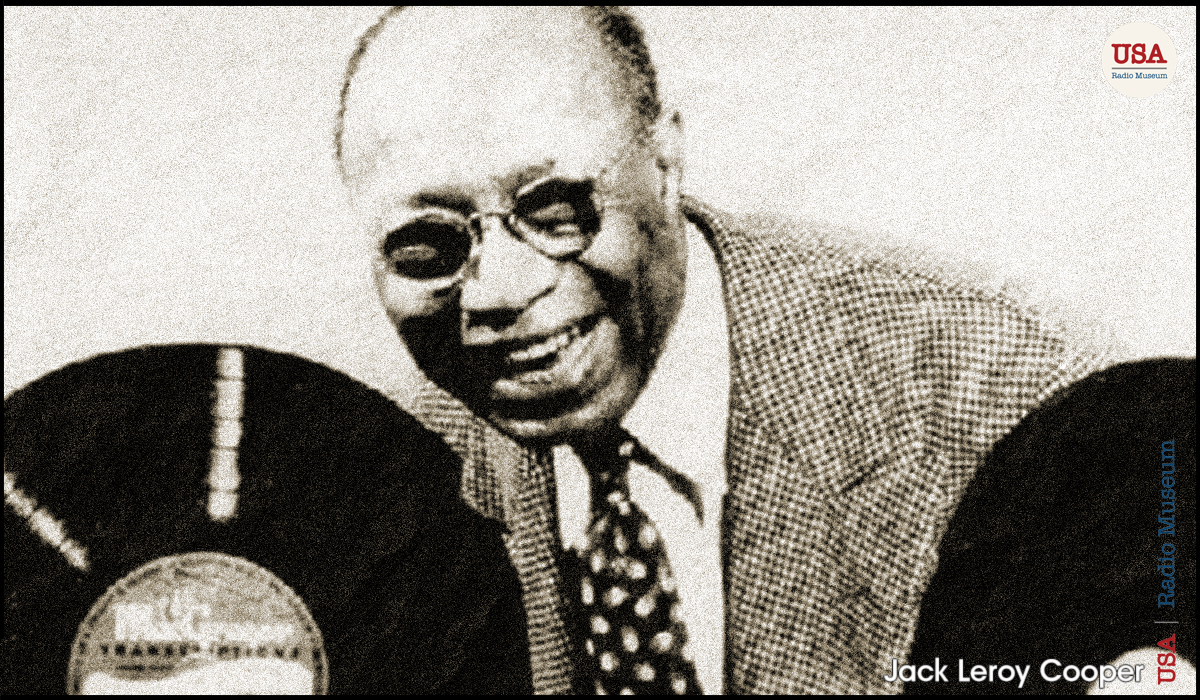
A Tribute to the Black Pioneer Who Opened Up the Airwaves Introduction Long before the rise of rhythm-and-blues radio, before the great nighttim
A Tribute to the Black Pioneer Who Opened Up the Airwaves
Introduction
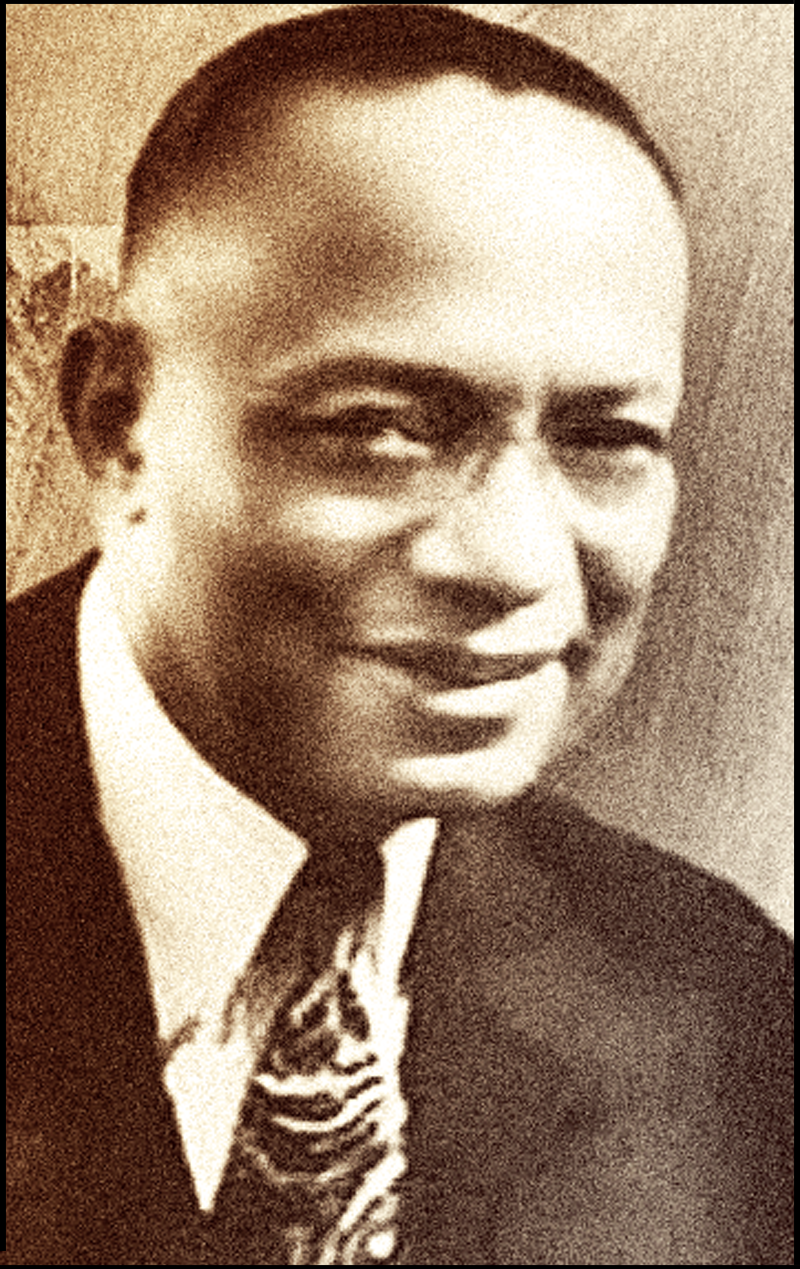 Long before the rise of rhythm-and-blues radio, before the great nighttime signals of WLAC, before the era of Black‑formatted stations like WDIA and WERD, there was one man who stepped into a studio and did something no African American had ever been allowed to do: speak on the air as a professional broadcaster. His name was Jack L. Cooper, and his voice marked the beginning of Black representation in American radio.
Cooper’s story is not simply the tale of a pioneering announcer. It is the story of a man who carved out space where none existed, who insisted that Black audiences deserved programming created for them, and who built a foundation upon which generations of broadcasters would stand. His life’s work helped shape the cultural, musical, and social landscape of American radio — and his influence still echoes today. — USA RADIO MUSEUM
Biography: The Making of a Pioneer
Jack Leroy Cooper was born on September 18, 1889, in Memphis, Tennessee, and grew up during a time when African Americans were excluded from nearly every aspect of mass media. Before radio, Cooper worked as a vaudeville performer, newspaper columnist, and theatrical promoter — professions that sharpened his instincts for entertainment and audience engagement.
By the late 1920s, radio was becoming the dominant medium in American life. Yet Black voices were almost entirely absent from the airwaves. Stations occasionally aired programs about African Americans, but rarely — if ever — by them.
That changed on November 3, 1929, when WSBC in Chicago aired the debut of The All-Negro Hour, created, produced, and hosted by Jack L. Cooper. It was the first radio program in U.S. history to feature Black performers exclusively. Cooper’s presence behind the microphone made him the first African American radio announcer and the first Black disc jockey in the nation.
Cooper’s show blended comedy sketches, sermons, musical performances, and — in a groundbreaking move — recorded music. At a time when many stations resisted playing phonograph records, Cooper brought his own turntable into the studio and played gospel, jazz, and blues selections that reflected the tastes of Black Chicago.
By the mid‑1930s, Cooper was producing nine hours of weekly programming, an extraordinary achievement for any broadcaster, let alone one working against the racial barriers of the era. His shows became a cultural lifeline for Black listeners, offering representation, entertainment, and a sense of community.
In 1938, Cooper launched “Search for Missing Persons,” a program dedicated to reuniting families separated by migration, incarceration, or economic hardship. It was one of the earliest examples of radio being used as a tool for social service within the Black community.
_____________________
SIDEBAR: The Lost Recordings of Jack L. Cooper
The greatest tragedy of Jack L. Cooper’s legacy is that almost none of his original broadcasts survive. Despite being the first Black radio announcer in American history — and the creator of The All‑Negro Hour in 1929 — Cooper’s voice is largely lost to time. His pioneering work predates the era when stations routinely archived their programming, and WSBC, like most early broadcasters, did not preserve transcription discs from its daily schedule. Recording equipment was expensive, fragile, and often reused, leaving little chance for Cooper’s shows to be captured and stored.
What remains today are only a few scattered fragments: brief promotional snippets, short excerpts referenced in documentaries, and occasional mentions in station logs or newspaper listings. None of these materials represent the full scope of Cooper’s groundbreaking format — the music, the comedy sketches, the community announcements, the cultural commentary, and the unmistakable presence he brought to the microphone.
Historians and archivists continue to search for any surviving discs or off‑air recordings, but no complete broadcast of The All‑Negro Hour has ever been found. The absence of these recordings underscores how easily early Black cultural achievements could have been erased — and how vital Cooper’s documented legacy remains. His influence survives not through preserved audio, but through the broadcasters he inspired, the communities he served, and the historical record that affirms his place as the Father of Black Radio.
_____________________
Legacy and Influence: The Father of Black Radio
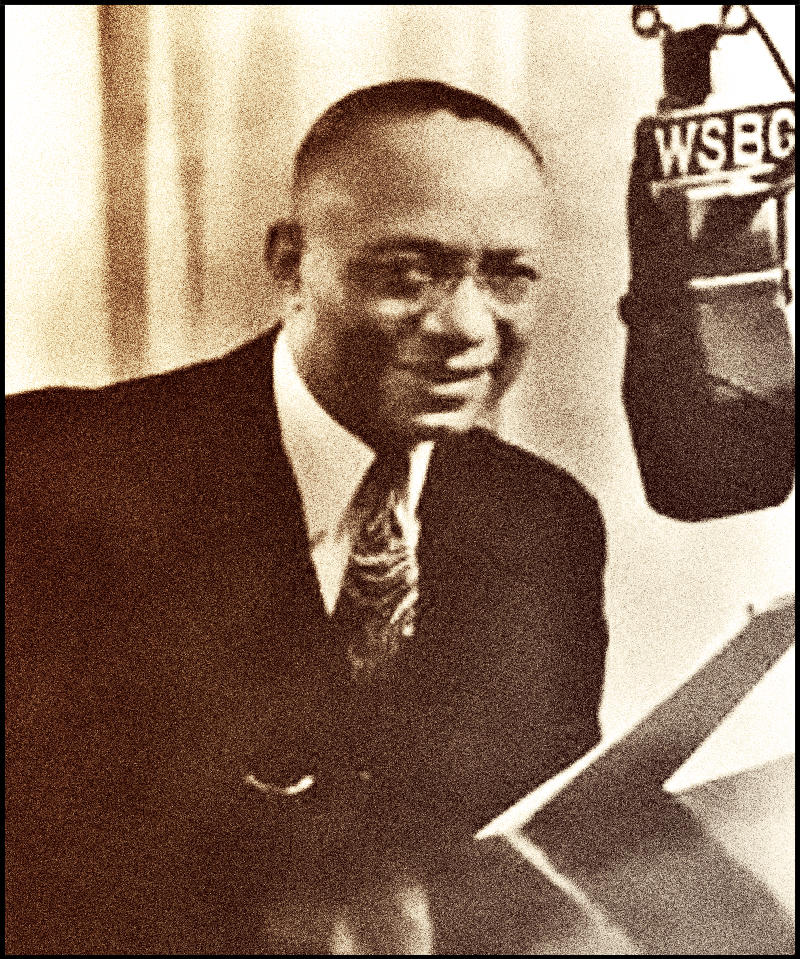 Jack L. Cooper’s impact on American broadcasting is immeasurable. He is widely regarded as the patriarch of Black radio, the man who opened the door for every African American broadcaster who followed. His innovations were not accidental — they were intentional acts of cultural authorship at a time when Black voices were systematically excluded from the airwaves. Cooper didn’t just participate in radio; he reshaped it, creating a model that would define Black‑oriented broadcasting for decades.
1. He Created the Blueprint for Black Radio Programming
Cooper’s programming philosophy was revolutionary for its time. He understood that Black listeners wanted — and deserved — content that reflected their lives, their humor, their music, and their community concerns. His shows blended gospel, jazz, and blues selections with community announcements, comedy sketches, cultural commentary, live performances, and even recorded music — a rarity in early radio.
This seamless mix became the template for Black‑oriented radio from the 1930s through the 1950s. Stations like WDIA in Memphis and WERD in Atlanta would later refine and expand this model, but Cooper laid the first stones. His approach demonstrated that Black radio could be both entertaining and socially meaningful, a dual purpose that would define the format for generations.
2. He Elevated Black Music on the Airwaves
Cooper was one of the earliest American broadcasters to embrace recorded music, at a time when many stations still resisted playing phonograph records. He brought his own turntable into the studio and played the music his audience loved — gospel quartets, jazz orchestras, blues singers, and emerging Black artists who rarely received mainstream exposure.
By doing so, Cooper helped bring Black musical traditions into the national consciousness. His willingness to feature recorded music helped normalize the disc jockey format, paving the way for the modern DJ and influencing the sound of American radio itself.
3. He Mentored and Inspired Future Broadcasters
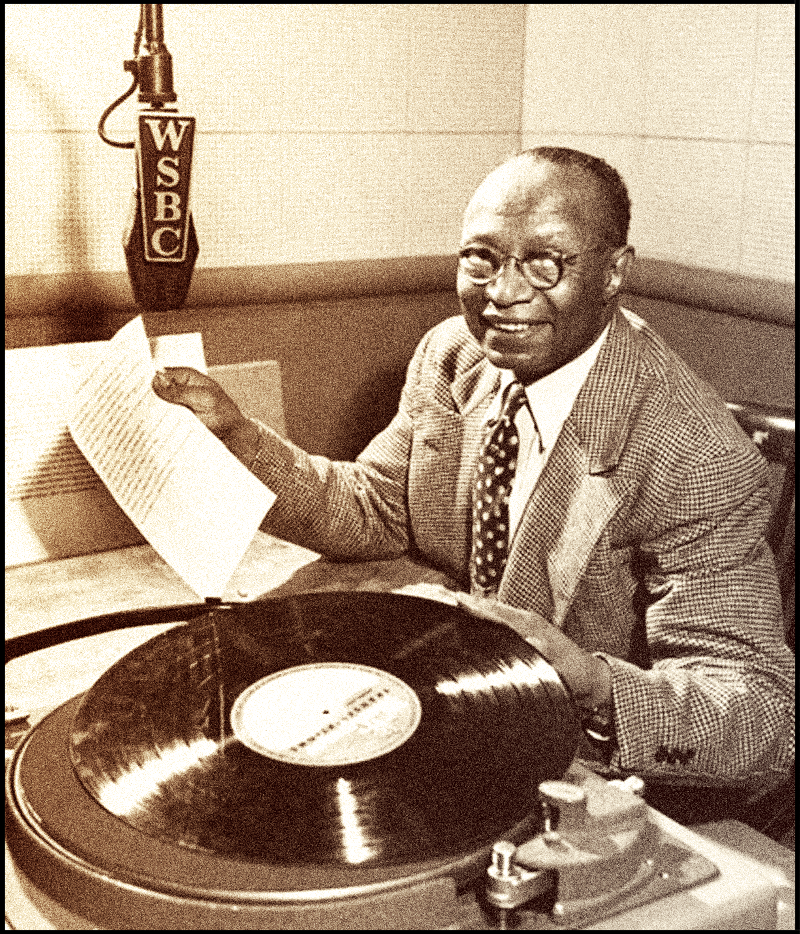 Cooper’s success proved that Black voices not only belonged on the air, but that they could command large, loyal audiences. His presence behind the microphone opened the door for a generation of broadcasters who would become legends in their own right. In Chicago, Al Benson emerged as the city’s dominant radio personality — the “Godfather of Chicago Radio” — shaping the sound of urban broadcasting for decades. In Memphis, Nat D. Williams brought a warm, conversational style to WDIA and helped launch the careers of artists like B.B. King and Rufus Thomas.
Hal Jackson, who began in Washington, D.C. before rising to prominence in New York, became one of the most influential Black broadcasters in the country. And the powerful nighttime DJs of WLAC in Nashville carried rhythm and blues across vast stretches of America, introducing countless listeners to the music that would define a generation. Every one of these figures walked through a door that Jack L. Cooper opened. His pioneering work made their careers possible, and his example showed the industry — and the nation — what Black broadcasting could be.
4. He Used Radio as a Tool for Community Empowerment
Cooper understood radio’s potential as a social service, not just an entertainment medium. His program “Search for Missing Persons” reunited families separated by migration, incarceration, or economic hardship. At a time when Black communities were navigating the upheaval of the Great Migration, Cooper’s show became a lifeline — a place where people could find one another again.
This community‑centered approach became a hallmark of Black radio nationwide.
5. He Helped Establish Chicago as a Center of Black Broadcasting
Cooper’s success at WSBC helped make Chicago one of the most important cities in the history of African American radio. His influence carried forward through stations like WVON, WGCI, and others that shaped Black music, culture, and political life throughout the 20th century.
In Remembrance: The Passing of a Pioneer
Jack L. Cooper passed away on January 12, 1970, at the age of 80. His death marked the end of an era, but his influence has never faded. In 2012, he was posthumously inducted into the National Radio Hall of Fame, a long‑overdue recognition of his foundational role in American broadcasting.
Today, Cooper is remembered not only as the first Black radio announcer, but as a visionary who understood the power of the microphone — and used it to uplift, entertain, and unite many, especially his beloved race.
His voice may no longer be heard on the airwaves, but the echoes of his work resonate in every Black‑formatted station, every DJ who speaks with pride and authority, and every listener who finds community through radio.
Jack L. Cooper didn’t just make history. He was first to pass through the door. And with that first step, he made it possible for others to make history after him.
_____________________
Sources & Credits
Historical details on Jack L. Cooper’s life, broadcasting career, and the 1929 debut of The All‑Negro Hour were drawn from the National Radio Hall of Fame biography of Jack L. Cooper (radiohalloffame.com in Bing), the WSBC Chicago historical record, and multiple summaries from the African American Registry (aaregistry.org in Bing). Additional context regarding Cooper’s pioneering use of recorded music, his community‑service program Search for Missing Persons, and his influence on later broadcasters was supported by research from the Museum of Broadcast Communications. Information regarding the scarcity of surviving Cooper recordings reflects the consensus of the National Radio Hall of Fame, the Museum of Broadcast Communications, and archival assessments from Chicago historical institutions, all of which note that no complete broadcasts of Cooper’s early WSBC programming are known to exist. References to Al Benson, Nat D. Williams, Hal Jackson, and the WLAC nighttime DJs draw from widely documented accounts of their careers and their acknowledgment of Cooper’s foundational role in opening the airwaves to African American talent. Cooper’s passing on January 12, 1970, and his posthumous 2012 induction into the National Radio Hall of Fame are confirmed through public historical records and Hall of Fame documentation.
_____________________
Contact: jimf.usaradiomuseum@gmail.com
_____________________
A USARM Viewing Tip: On your PC? Mouse/double-click over the images for expanded views. On your mobile or tablet device? Finger-tap all the above images inside the post and stretch image across your device’s screen for LARGEST digitized view. Then click your browser’s back arrow to return to the featured post.
© 2026 USA Radio Museum. All Rights Reserved.

But not only that Jack L. Cooper also paved the way for the Urban Contemporary too as well, and the same can said for FM Black Radio when Indianapolis’ very own 105.7 WTLC arrived in 1968.