
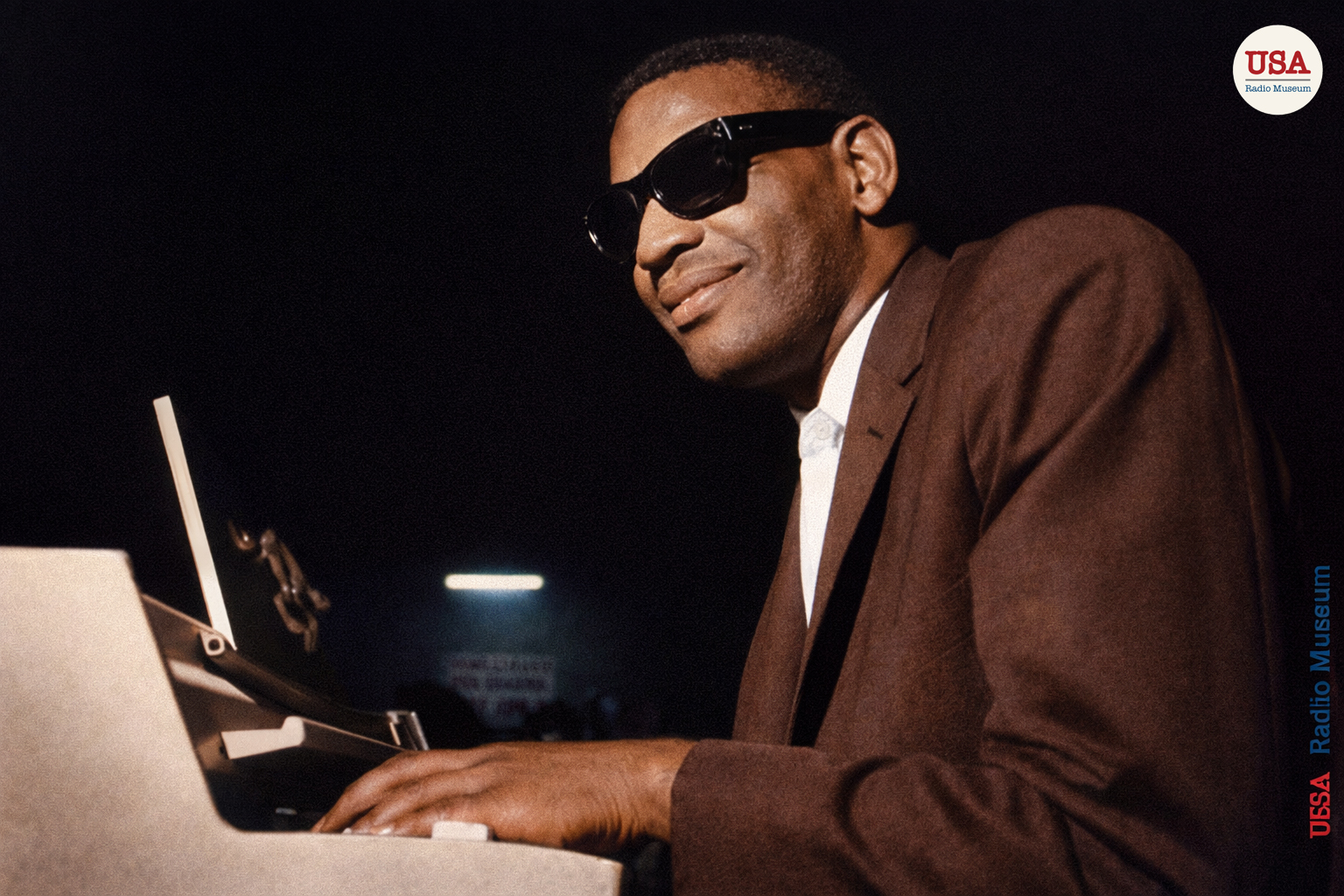
Ray Charles, Country Soul, and a Five‑Week Reign: The Enduring Legacy of “I Can’t Stop Loving You” On this day in 1962, American radio experienced
Ray Charles, Country Soul, and a Five‑Week Reign: The Enduring Legacy of “I Can’t Stop Loving You”
On this day in 1962, American radio experienced one of its great turning points—an inflection moment where genre walls buckled, cultural assumptions shifted, and a single voice, unmistakable and uncontainable, rose above every chart in the nation. Ray Charles’ recording of “I Can’t Stop Loving You” began its extraordinary five‑week run at No. 1 on the U.S. singles chart, a feat that would ripple across radio formats, record labels, and the very idea of what American popular music could be.
The song, written by country artist Don Gibson, had been a modest hit in its original form. But in Charles’ hands—in that deep, honey‑rich baritone, wrapped in the lush orchestration of Modern Sounds in Country and Western Music—it became something else entirely. It became a national event.
And for radio at the time, it became a revelation.
A Voice That Could Not Be Contained
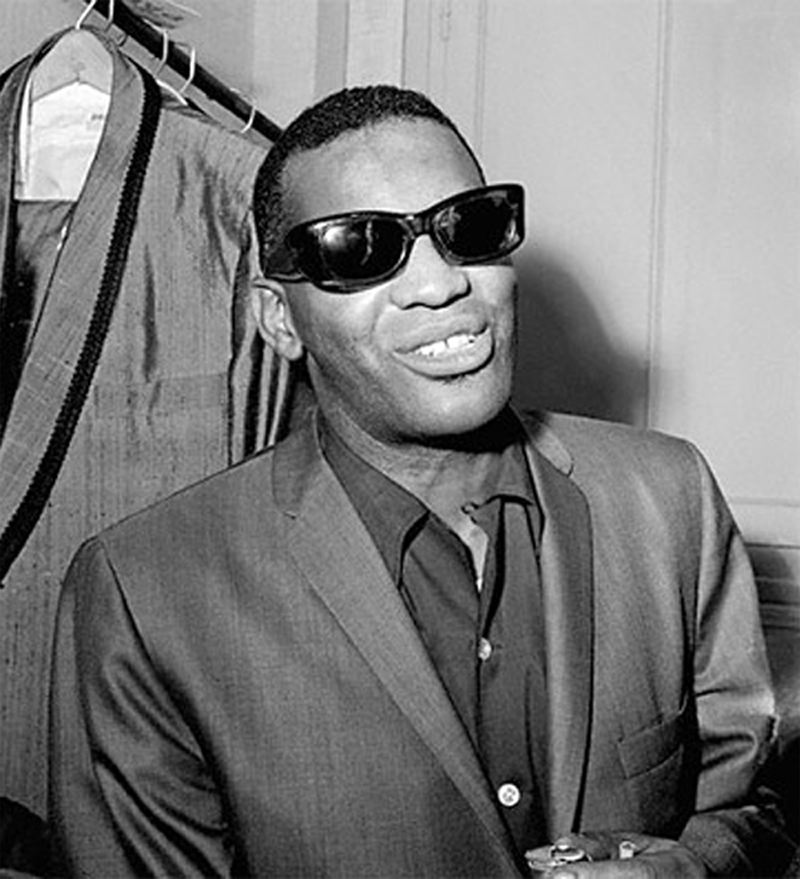
Ray Charles circa 1962.
By 1962, Ray Charles had already reshaped the sound of rhythm and blues. His fusion of gospel fervor with secular themes—what critics would later call “soul”—had produced a string of groundbreaking hits. But Charles was restless. He wanted to explore the music he had grown up hearing in the South: country songs, honky‑tonk laments, and the emotional storytelling that lived in the heart of rural America.
When he approached ABC‑Paramount with the idea of recording an entire album of country and western material, executives balked. Country music was considered a white genre. R&B was considered a Black genre. Radio playlists were rigidly segregated. The industry’s unspoken rule was simple: artists stayed in their lane.
Ray Charles refused.
Modern Sounds in Country and Western Music was his answer—a bold, elegant, genre‑defying project that treated country songs not as curiosities but as American standards worthy of orchestral sweep and soulful interpretation.
At the center of that album stood “I Can’t Stop Loving You.”
A Song That Crossed Every Line—and Every Chart
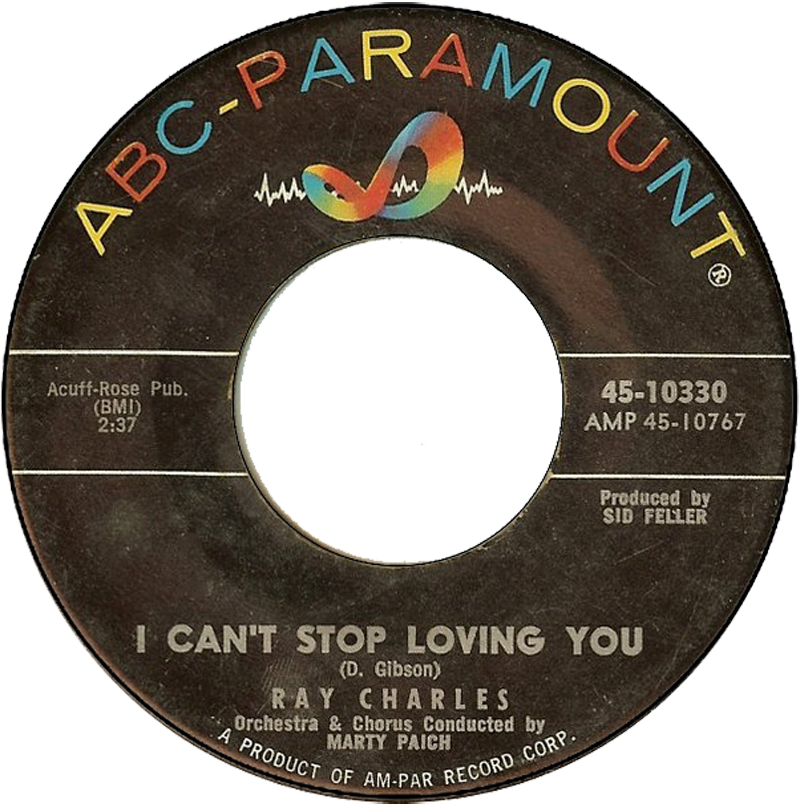 When the single was released in April 1962, radio programmers didn’t quite know what to do with it. Was it R&B? Pop? Country? Easy listening?
The answer, as America soon decided, was yes.
By early June, the song had climbed to the top of the Billboard Hot 100, the Hot R&B Singles chart, and the Adult Contemporary chart (then known as the Easy Listening chart). It held all three positions simultaneously—a rare, almost unimaginable achievement in an era when radio formats were sharply divided.
For five consecutive weeks, Ray Charles was the undisputed king of American airwaves.
That record—five weeks at No. 1 across pop, R&B, and AC—would stand for 31 years, until Whitney Houston’s “I Will Always Love You” matched and surpassed it in late 1992. The symmetry is striking: two towering Black vocalists, each reinterpreting a country song, each transforming it into a cultural landmark.
Why Radio Needed This Moment
To understand the magnitude of Charles’ achievement, one must remember the radio landscape of the early 1960s. Top 40 was still solidifying its identity. Country stations and R&B stations operated in separate universes. Pop radio, especially in major markets, was cautious—sometimes even resistant—to anything that challenged the boundaries of format.
But “I Can’t Stop Loving You” was undeniable.
Its arrangement—lush strings, a full choir, and Charles’ voice soaring above it all—felt cinematic. It was a ballad of longing, but also of dignity. It carried the emotional weight of gospel, the melodic clarity of country, and the universal appeal of a great American standard.
DJs across the country found themselves playing it not because it fit their format, but because listeners demanded it. Request lines lit up. Jukeboxes spun it endlessly. The song became a unifying force on the dial, a rare moment when America, divided by region and race and taste, seemed to agree on something.
For radio, this was more than a hit. It was a breakthrough.
The Album That Changed Everything
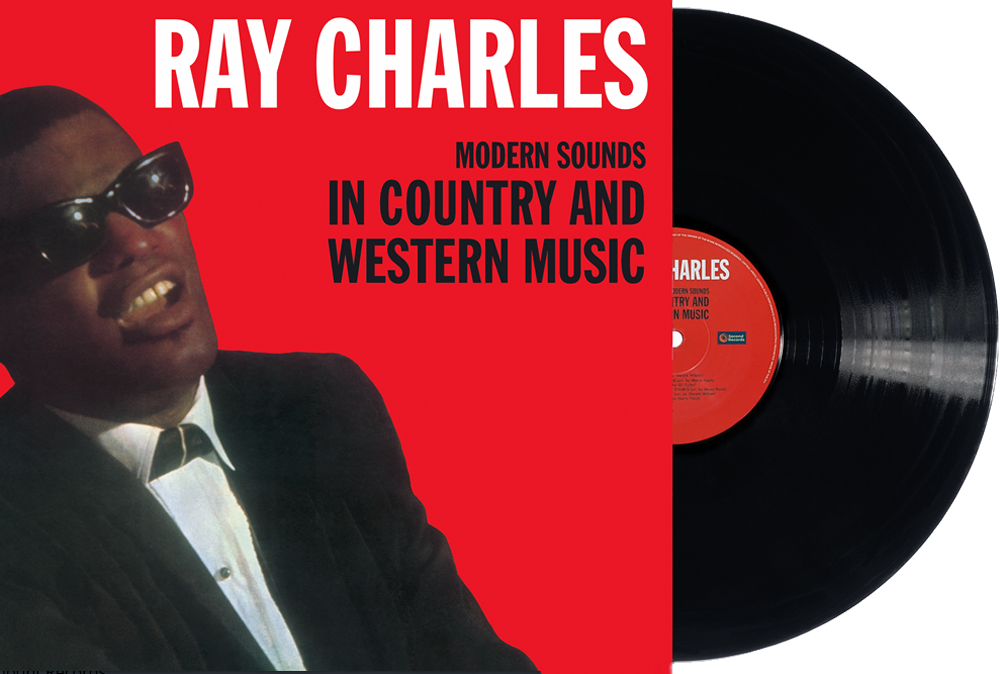 While the single dominated the charts, the album behind it—Modern Sounds in Country and Western Music—became one of the most influential LPs of the decade. It proved that genre was not destiny. It proved that a great song could be reborn in new hands. And it proved that audiences were far more open‑minded than the industry believed.
The album topped the Billboard charts for 14 weeks and became one of the best‑selling records of Charles’ career. But its deeper legacy lies in what it made possible:
- It opened the door for future cross‑genre experiments.
- It challenged radio programmers to broaden their playlists.
- It demonstrated that Black artists could interpret country music with authority, authenticity, and commercial success.
- It helped usher in the more fluid, adventurous musical landscape of the mid‑1960s.
In many ways, Ray Charles didn’t just record a country album—he redrew the map of American music.
_____________________
_____________________
A Record That Echoes Across Generations
When Whitney Houston’s “I Will Always Love You” broke Charles’ 31‑year record in 1993, it felt less like a dethroning and more like a passing of the torch. Both songs were reinterpretations. Both were rooted in country songwriting. Both became cultural touchstones that transcended genre, format, and expectation.
And both were carried to immortality by radio.
That is the thread that binds them: the power of the American airwaves to elevate a song into a shared national experience.
Why “I Can’t Stop Loving You” Is Still Relevant Today
More than sixty years later, Ray Charles’ performance remains a masterclass in emotional clarity. It is a reminder that great music is not confined by category. It is shaped by the artist who sings it, the audience who embraces it, and the radio stations that give it life.
For the USA Radio Museum, this anniversary is not just a date on the calendar. It is a celebration of radio’s role in breaking barriers, amplifying genius, and bringing America together through sound.
And on this day in 1962, when “I Can’t Stop Loving You” began its five‑week reign at No. 1, radio bore witness to a breakthrough that reshaped the early‑1960s soundscape. Ray Charles transformed a country ballad into a sweeping soul anthem, forging new pathways across pop and Black musical traditions. It became one of his defining triumphs — a turning point after which neither his influence, his career, nor his impact on American radio would ever sound the same.
_____________________
Sources & Credits
Primary Historical Reference
- This Day in Music History — June 2, 1962 entry documenting Ray Charles’ five‑week No. 1 run with “I Can’t Stop Loving You,” written by Don Gibson and featured on Modern Sounds in Country and Western Music. Includes chart performance across the Billboard Hot 100, R&B Singles, and Adult Contemporary charts.
Chart & Industry Data
- Billboard Magazine Archives — Chart histories for Ray Charles’ singles and albums, including the 1962 crossover performance of “I Can’t Stop Loving You” and its simultaneous No. 1 positions on Pop, R&B, and Easy Listening charts.
- Whitney Houston Chart Records (1992–1993) — Billboard documentation noting that “I Will Always Love You” surpassed Charles’ 31‑year record for most weeks simultaneously topping multiple major charts.
Artist & Recording Background
- Ray Charles Official Website & Estate Biography — Context on Charles’ artistic evolution leading into the Modern Sounds sessions and his decision to reinterpret country repertoire through a soul‑orchestral lens.
- Library of Congress: National Recording Registry — Background on Ray Charles’ cultural impact and his role in reshaping American popular music in the early 1960s.
Album & Production Context
- ABC‑Paramount Records Historical Notes — Documentation on the release of Modern Sounds in Country and Western Music (1962), its production approach, and its commercial and cultural reception.
- Music Historians & Scholarly Analyses — Commentary on Charles’ genre‑bridging innovations and the album’s influence on radio programming and crossover formats.
General Music History Resources
- AllMusic Artist & Album Overviews — Supplemental information on Ray Charles’ discography and the legacy of Modern Sounds in Country and Western Music.
- Rolling Stone Archives — Retrospective features on Ray Charles’ crossover achievements and the enduring significance of his 1962 recordings.
_____________________
Contact: jimf.usaradiomuseum@gmail.com
_____________________
A USARM Viewing Tip: On your PC? Mouse/double-click over the images for expanded views. On your mobile or tablet device? Finger-tap all the above images inside the post and stretch image across your device’s screen for LARGEST digitized view. Then click your browser’s back arrow to return to the featured post.
© 2026 USA Radio Museum. All Rights Reserved.

But Otis Redding cover that song years later right?