
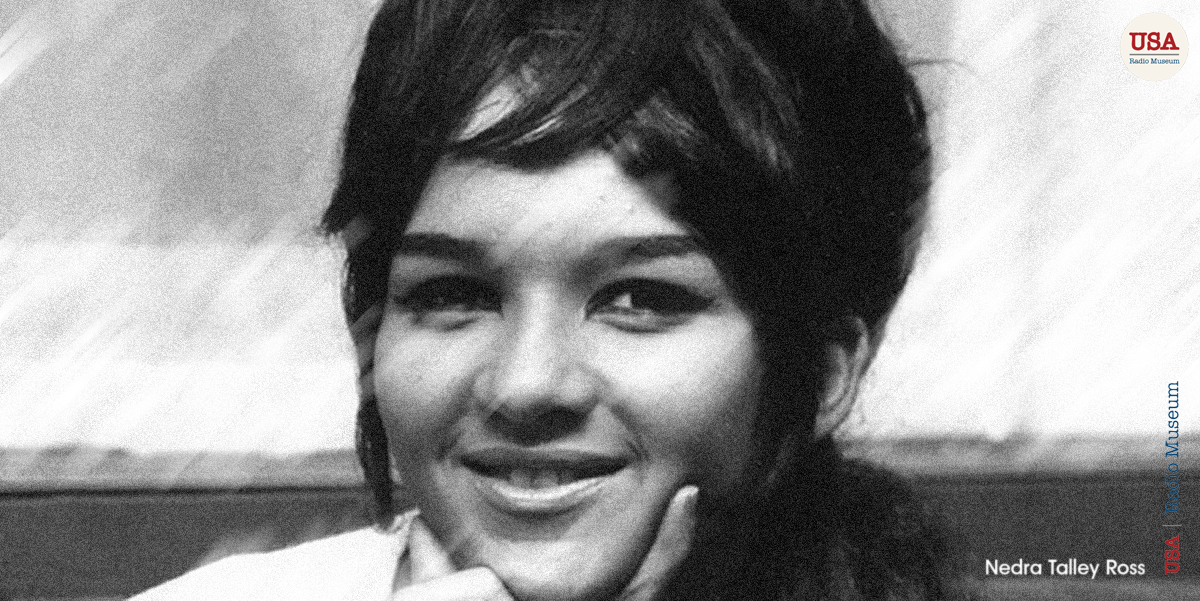
In Honor of the Last Voice of The Ronettes Introduction On April 26, 2026, the world lost Nedra Talley Ross—the final surviving member of The Ro
In Honor of the Last Voice of The Ronettes
Introduction
 On April 26, 2026, the world lost Nedra Talley Ross—the final surviving member of The Ronettes, one of the most influential girl groups of the 1960s and a cornerstone of American pop and radio history. She was 80.
Her passing closes the physical chapter of a trio whose sound—bold, youthful, and unmistakably New York—reshaped the emotional vocabulary of pop music. Alongside her cousins Ronnie and Estelle Bennett, Nedra helped forge a sonic identity that would echo across generations, carried by radio waves, record grooves, and the hearts of millions. — USA Radio Museum
_____________________
A Childhood in Harmony
Born in New York City, Nedra grew up surrounded by music, family, and the cultural electricity of mid‑century Manhattan. She began singing as a child, inspired by her mother and grandmother, and soon joined her cousins in what would become a lifelong musical bond.
The trio first performed as the Darling Sisters, then Ronnie and the Relatives, before adopting the name that would become iconic: The Ronettes—a blend of their identities and a reflection of their unity.
The Rise of The Ronettes
In 1963, the group auditioned for producer Phil Spector and signed with Philles Records, stepping into the studio era that would define them. Their breakthrough came swiftly with “Be My Baby,” a single that soared to No. 2 on the Billboard Hot 100 and became one of the most influential pop recordings of all time.
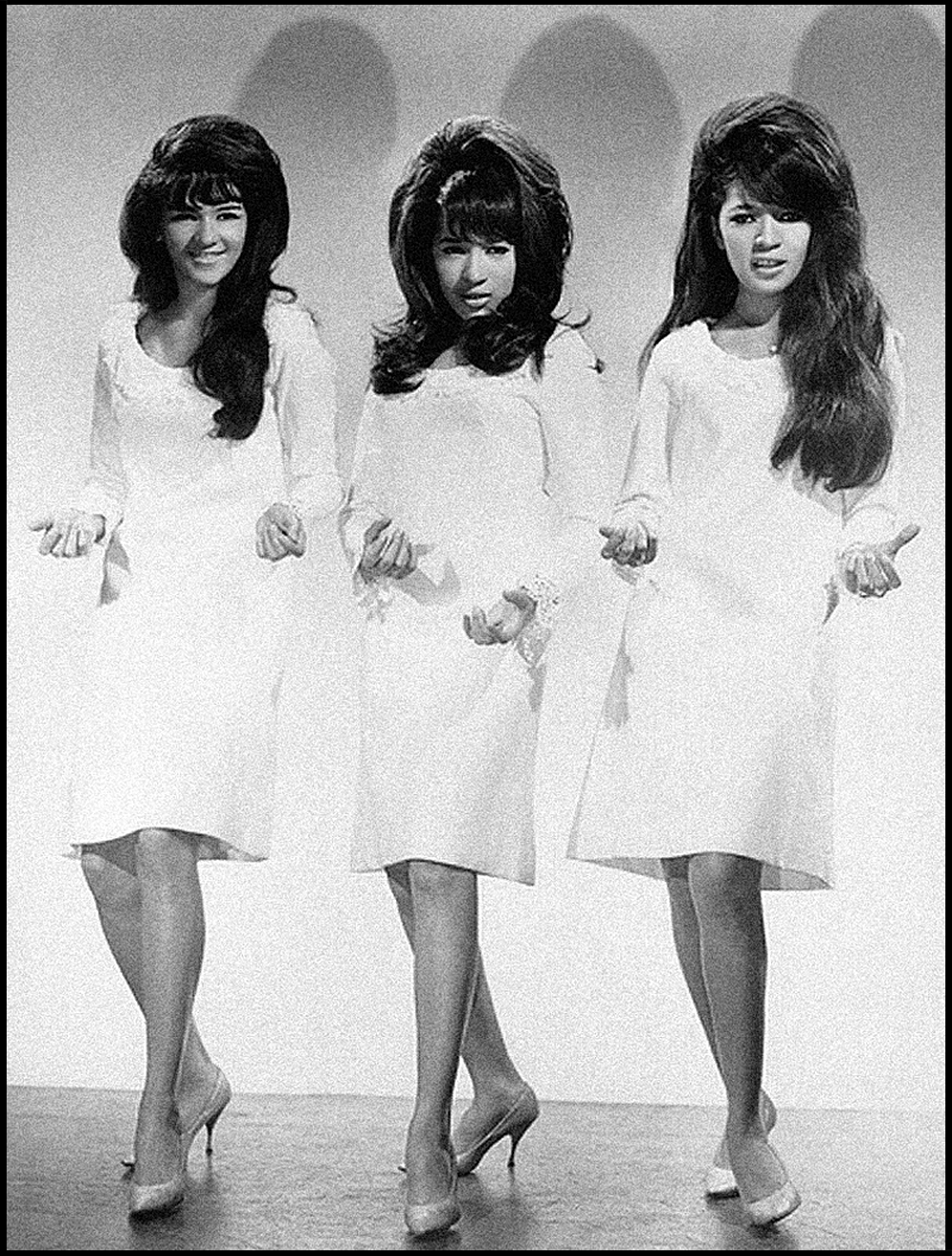
The Ronettes, 1964.
Nedra’s harmonies—warm, steady, and essential—helped shape the group’s signature blend within Spector’s “Wall of Sound.” The Ronettes’ catalog soon expanded with hits like “Baby I Love You” and “Walking in the Rain,” each carried into American homes through the power of radio.
Their influence extended beyond the studio. The Ronettes toured with the Rolling Stones and opened for The Beatles on their 1966 U.S. tour—an extraordinary testament to their stature during pop’s most explosive decade.
More than forty years after their first chart breakthrough, The Ronettes received one of the highest honors in American music: induction into the Rock & Roll Hall of Fame on March 12, 2007. It was a moment that felt both triumphant and overdue—a formal recognition of a group whose sound had shaped the emotional architecture of 1960s radio and influenced generations of artists.
Keith Richards of the Rolling Stones delivered their induction speech, recalling the first time he heard their voices and how instantly he felt their power. “They could sing all their way right through a wall of sound,” he said, invoking both their vocal force and the iconic production style that framed their hits. “They didn’t need anything. They touched my heart right there and then, and they touch it still.”
Nedra stood on that stage beside Ronnie Spector, with Estelle Bennett present but unable to perform. Together, Nedra and Ronnie delivered a three‑song set—including “Be My Baby”—that brought the audience to its feet. It was more than nostalgia; it was a celebration of artistry, resilience, and the enduring magic of three young women from New York who once held hands backstage for courage and walked out to change the sound of American pop.
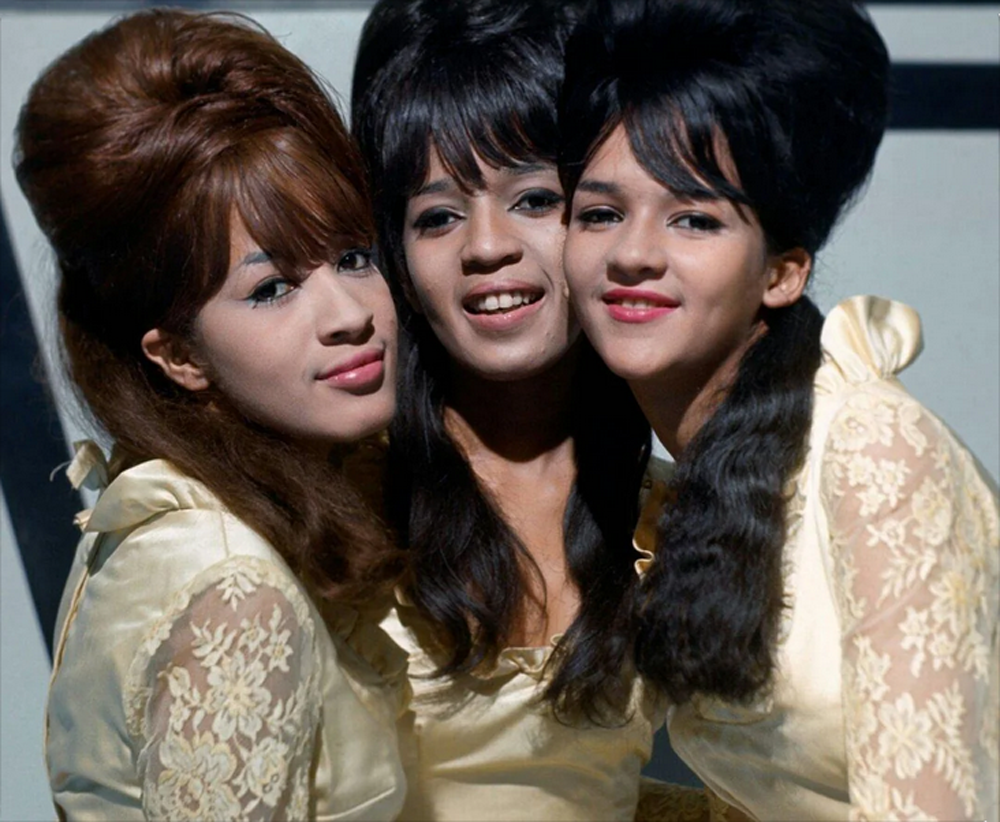
Ronnie Spector, Estelle Bennett, Nedra Talley, late 1963.
For Nedra, the moment was a culmination of a journey that began in childhood living rooms and neighborhood stages. It honored not only the hits, but the harmony—the literal and emotional harmony—that defined The Ronettes. And it affirmed what history already knew: that their music was not simply popular, but foundational.
A Life Beyond the Spotlight
After The Ronettes disbanded in 1967, Nedra stepped away from the commercial music world, marrying radio personality Scott Ross and later recording Christian music, including her 1978 album Full Circle.
Her life became one of faith, family, and quiet strength. Her son Ryan described her as someone who “never let stardom go to her head . . . she was always a mother, a sister, a cousin, and a wife.”
_____________________
A Curator’s Note
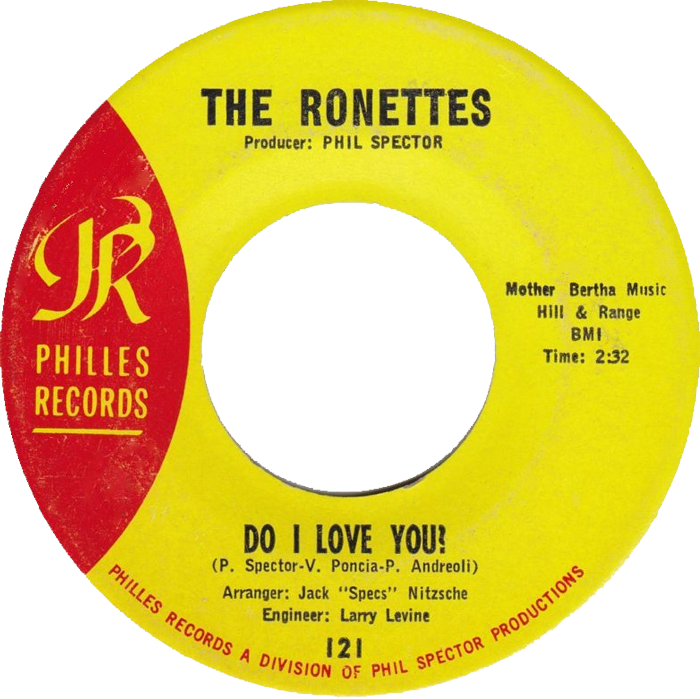 Among The Ronettes’ remarkable run of hits, one of their 45 rpm record singles really stood out for me: “Do I Love You?”
Released in the summer of 1964, it became one of the group’s final Top 40 entries during their charting years — a shimmering, heartfelt record wrapped in Phil Spector’s wall‑to‑wall production. There is something about this one record by the Ronettes that always captivated me. For me, that single was pure magic.
As a youngster growing up in the Motor City, I heard it constantly on Detroit radio — WKNR, where it peaked at No. 2 on June 18, 1964; WXYZ; WJBK, where it also reached No. 2 on July 3; and CKLW — stations that championed the record even as the group’s national momentum had begun to fade. By then, Beatlemania was sweeping across America, reshaping the pop landscape and shifting attention toward the new British sound. Yet in Detroit, “Do I Love You?” still soared, becoming a major Top 10 hit locally and a staple of the city’s airwaves.
Nationally, however, the picture was different. The single peaked at No. 34 on the Billboard Hot 100 in July 1964 — a reminder that while The Ronettes’ star was dimming on the national charts, Detroit listeners continued to embrace the song with unwavering enthusiasm. That contrast only deepens the song’s significance: in a city that loved soul, harmony, and emotional truth, “Do I Love You?” remained a cherished favorite even after the rest of the country, as the song’s chart numbers reflected at the time, decided to moved on. The single would become the Ronettes next to last Top 40 single (“Walking In The Rain” / Billboard #23) to chart on the Hot 100 in 1964.
The record stands as one of the final bright embers of the original girl‑group era — a defining chapter of the first generation of rock ’n’ roll that predated the Beatles and the British Invasion. Spawn in the late 1950s and flowering through the early 1960s, this movement reached its twilight just as new sounds from overseas began reshaping American pop culture. In that moment of transition, The Ronettes delivered a performance that was tender, powerful, and unmistakably their own — a reminder of the elegance, emotion, and youthful fire that made the girl‑group era so unforgettable.
This one caught my attention. It stands to this day as my all-time Ronettes favorite — though truthfully, I loved them all. 🙂 — J. Feliciano
_____________________
_____________________
Recognition and Legacy
Nedra Talley Ross leaves behind a legacy woven into the fabric of American pop history. She was the final living thread of a trio that changed the sound of the 1960s, broke racial and stylistic barriers, and inspired generations of artists. Her harmonies—supportive, steady, and essential—mirror the life she lived: one of grace, humility, and devotion.
Conclusion: A Poetic Farewell
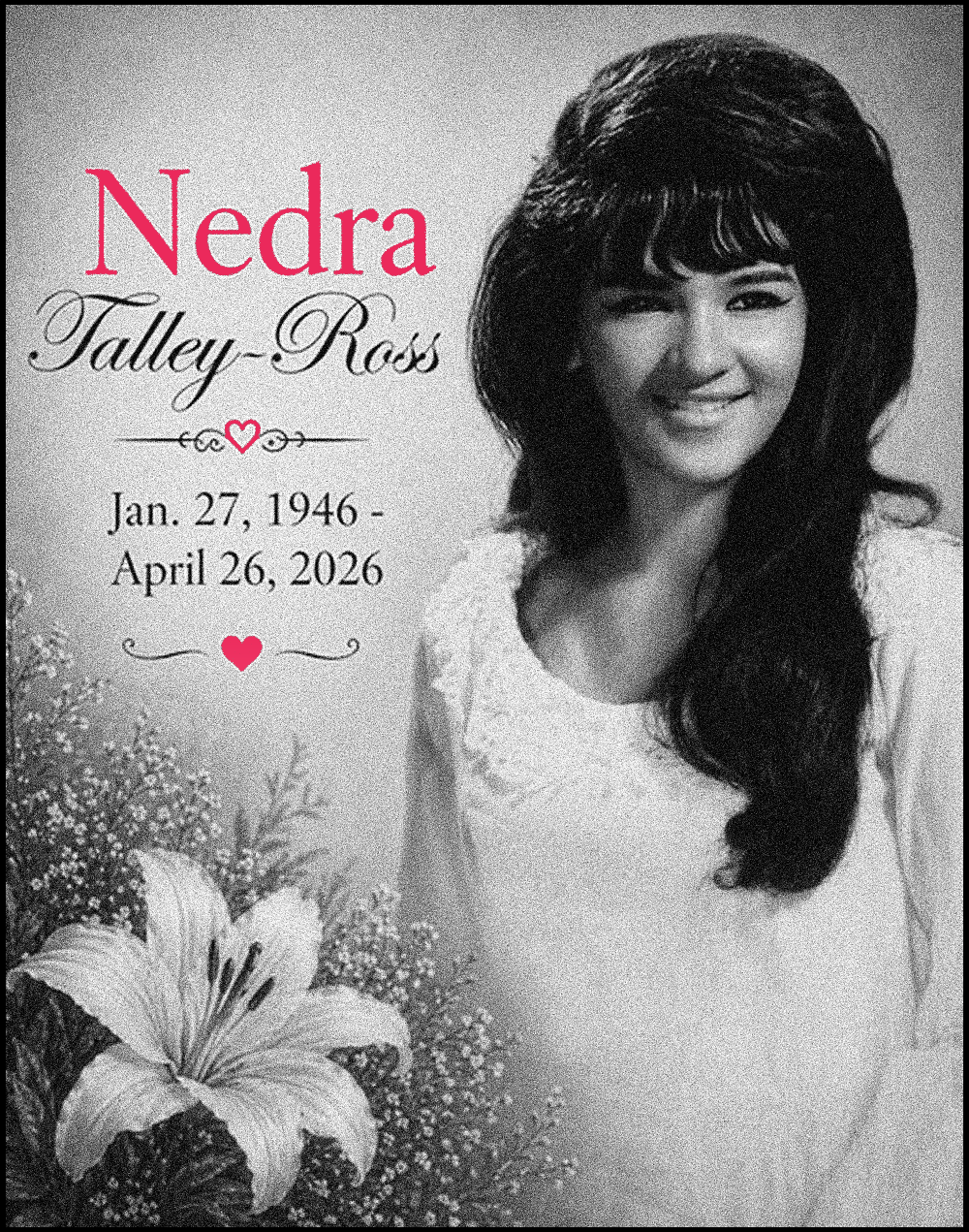 In the great archive of American radio, the Top 40 era in the 1960s, some voices shimmer forever in recorded sound. Nedra’s is one of them.
Her harmonies—once wrapped in echo chambers and teenage longing—now drift freely, unbound by time. They rise like a warm memory from a transistor radio at dusk, carrying the innocence of youth, the courage of three young women who dared to be different, and the quiet strength of a life lived with purpose.
May her voice continue to echo in every spin of “Be My Baby,” in every girl‑group harmony that followed, and in every listener who ever felt the magic of The Ronettes.
Rest peacefully, dear Nedra. And thank you—for the music, the memories, and the light.
_____________________
Contact: jimf.usaradiomuseum@gmail.com
_____________________
A USARM Viewing Tip: On your PC? Mouse/double-click over the images for expanded views. On your mobile or tablet device? Finger-tap all the above images inside the post and stretch image across your device’s screen for LARGEST digitized view. Then click your browser’s back arrow to return to the featured post.
© 2026 USA Radio Museum. All Rights Reserved.
