
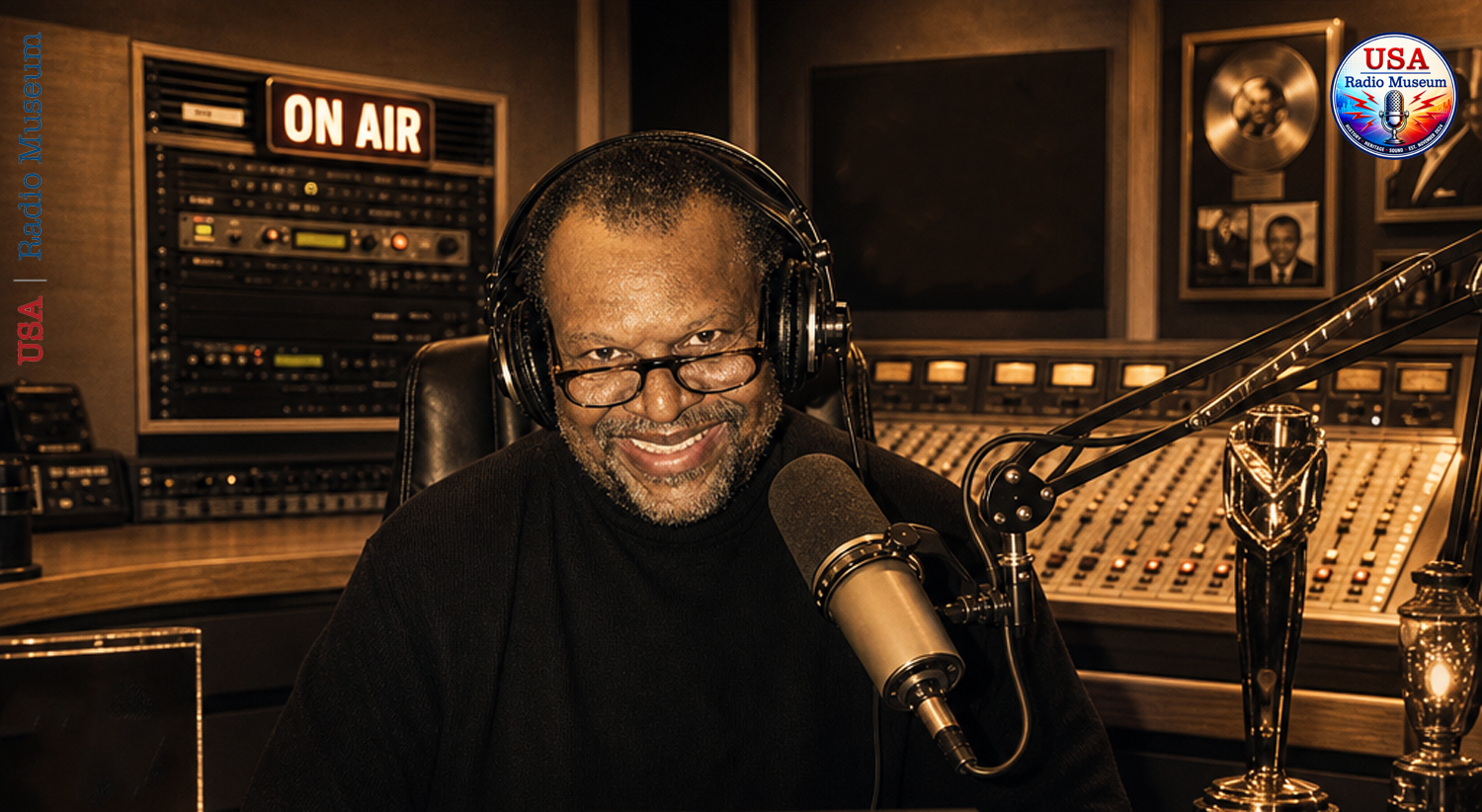
Walt “Baby” Love: A Life Fulfilled on the Airwaves, A Ministry in Motion For more than half a century, Walt “Baby” Love has stood as one of America
Walt “Baby” Love: A Life Fulfilled on the Airwaves, A Ministry in Motion
For more than half a century, Walt “Baby” Love has stood as one of American radio’s most enduring, uplifting, and influential voices — a broadcaster whose career broke racial barriers, shaped national music formats, and carried a message of faith, hope, and perseverance to millions. His story is not simply one of professional success; it is the story of a man who turned the microphone into a ministry, the studio into a sanctuary, and the airwaves into a place where inspiration and integrity could thrive.
Reverend Walter Shaw — known to the world as Walt “Baby” Love — has spent 54 years sharing his personal testimony, his Christian faith, and his unwavering belief that media should uplift rather than divide. His journey from a small farming community in Pennsylvania to the Radio Hall of Fame is one of the most remarkable arcs in American broadcasting history. — USA Radio Museum
_____________________
Early Life: Roots of Faith and Determination
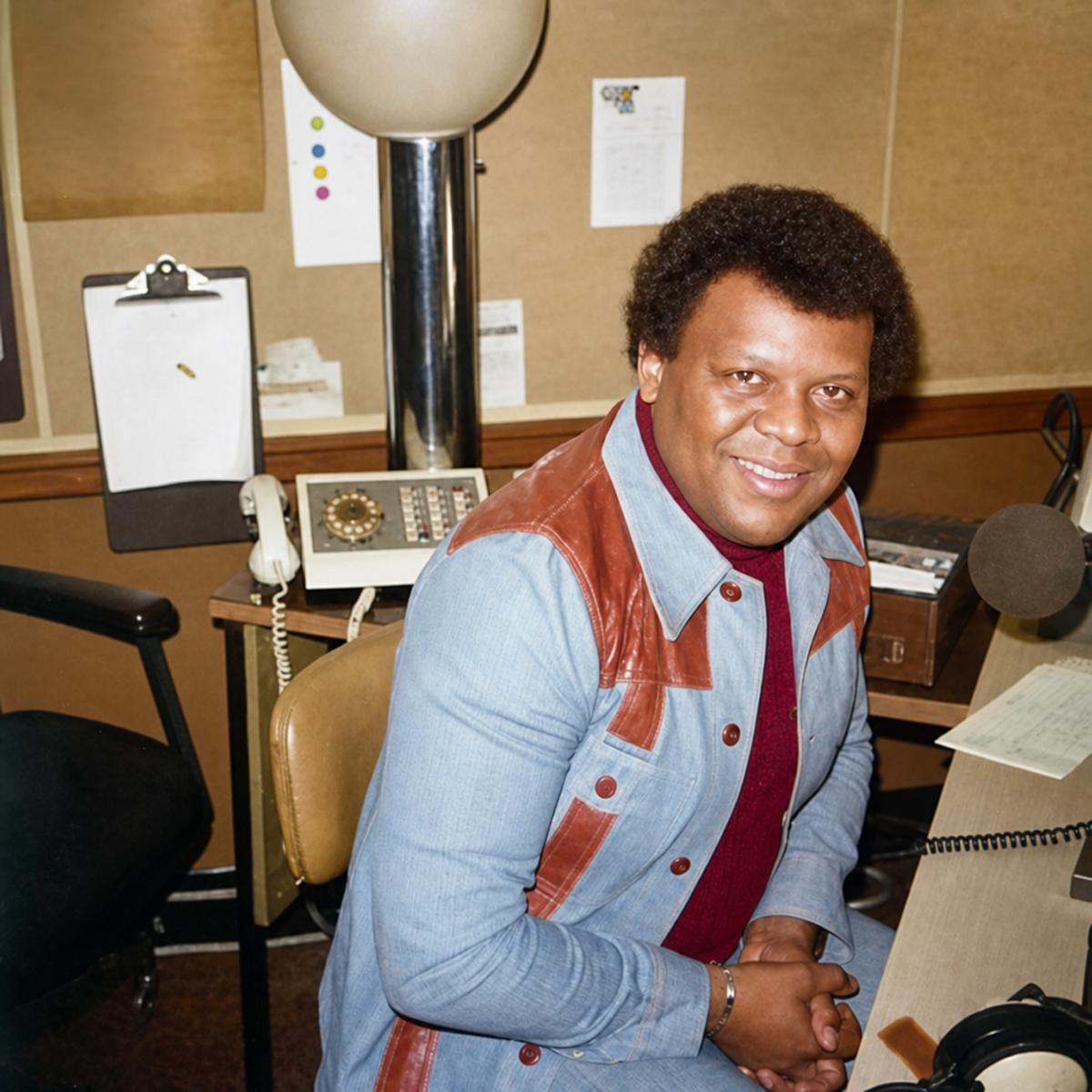
Walt ‘Baby’ Love, WOR-FM, New York circa 1974.
Walt Love was raised in Creighton, Pennsylvania, a modest farming community in East Deer Township. The values of that environment — hard work, humility, community — became the bedrock of his character. Long before he became a national radio figure, Love understood the importance of service and the quiet strength of perseverance.
His entry into radio was not academic but instinctive. He simply belonged behind a microphone. That natural talent carried him from local beginnings to major-market prominence with astonishing speed. But even in those early years, the seeds of his future ministry were already present. His voice carried warmth, steadiness, and a sense of purpose that listeners immediately recognized.
Breaking Barriers: A Trailblazer Across America’s Airwaves
Love’s professional ascent began in February 1968 at KYOK in Houston — his first major break. From there, he became a pioneer in the truest sense of the word.
He was the first Black American on-air talent at:
- KILT-AM (Houston)
- RKO Radio
- CKLW (Detroit/Windsor)
- WOR-FM (New York)
- KHJ-AM (Los Angeles)
- KMPC-AM (Los Angeles)
- KFI-AM (Los Angeles)
These were not small stations. They were giants — Top 40 powerhouses, cultural tastemakers, and industry leaders. Walt Love walked into each one and changed the complexion of American radio.
His New York tenure expanded to include WNBC, WBLS, and 99X, cementing his status as a national personality with cross-market appeal. In Los Angeles, he again broke color barriers at multiple heritage stations, proving that excellence transcends race, format, and geography.
Love’s presence on the airwaves was not just a professional achievement; it was a cultural milestone. He demonstrated that Black voices belonged at the center of American broadcasting — not at the margins.
_____________________
CKLW (Windsor/Detroit) | Walt Baby Love | July 12, 1970
Audio Digitally Remastered by USA Radio Museum | Courtesy: The Tom Howard Collection
_____________________
The Syndication Empire: Countdown, Gospel Traxx, and Urban AC
In August 1982, Walt Love launched what would become his signature achievement: The Countdown with Walt “Baby” Love. The show ran for an unprecedented 29 years, making it the longest-running urban syndicated radio program in history. It was a weekly ritual for millions of listeners, blending R&B, soul, and Love’s insistence on playing only clean versions of songs.
“I don’t play the explicit, filthy versions,” he often reminded his audience. It wasn’t censorship — it was conviction. Walt believed families should be able to listen together without worry.
Alongside The Countdown, Love created Gospel Traxx, a program that merged his broadcasting talent with his spiritual calling. For more than 27 years, Gospel Traxx has delivered gospel music, testimony, and encouragement to listeners across the nation and around the world. It remains syndicated nationally by Reach Media and internationally by Radio Express.
He later added The Urban AC Countdown, a 15-year program focused on adult contemporary R&B. Together, these three shows formed a syndication network unmatched in urban and gospel radio.
His work earned repeated industry recognition:
- Five Billboard Awards for Best R&B Syndicated Show
- Billboard’s Best Urban/R&B Gospel Show (2002)
- Stellar Award for Best Gospel Radio Personality (2001)
- Black Broadcaster’s Alliance Radio Personality of the Year (2002)
These honors reflected not only popularity but excellence — a standard Love upheld for decades.
Editorial Influence: Shaping the Industry from Within
For 21 years, Walt Love served as the Urban Radio & Music Editor at Radio & Records, one of the industry’s most influential trade publications. This role gave him a unique dual influence: he shaped the sound of syndicated radio while simultaneously shaping the industry’s understanding of urban music trends.
Few broadcasters have ever held such simultaneous power — on the air and in the newsroom.
A Calling Confirmed: Ministry and Theology
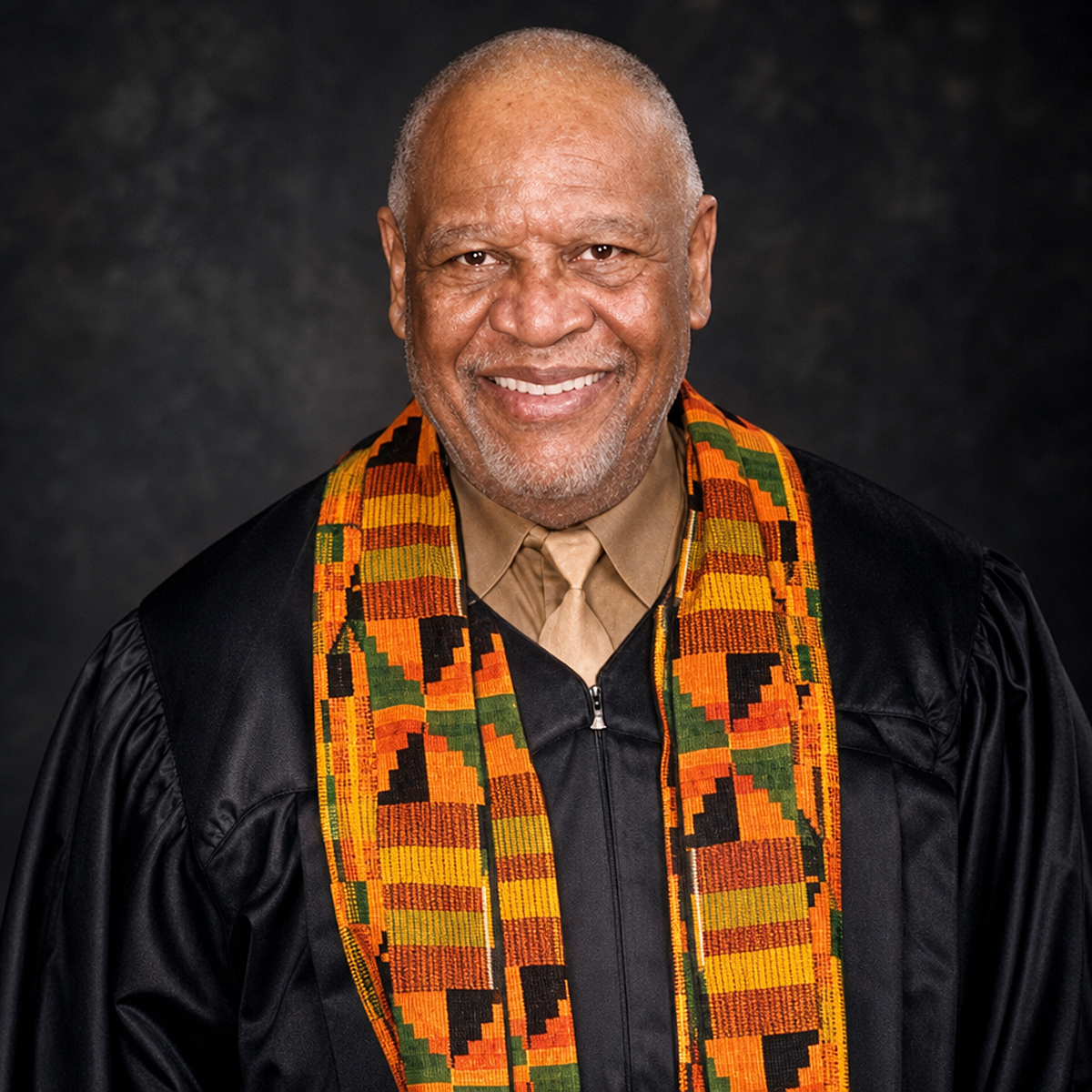 In June 1997, Walt Love was ordained into the Christian ministry at First AME Church in Los Angeles. This was not a sudden shift but a natural evolution of the values he had always expressed on-air.
His pastor, Rev. L.K. Johnson, had long told him: “There’s more that God wants you to do. You’re going to preach.”
Love resisted at first — until life forced him to confront his own mortality.
The Storm: Kidney Cancer and a Mustard Seed of Faith
Walt Love’s journey took a dramatic turn when he discovered blood in his urine. Doctors found a tumor. His father and great-grandfather had died from kidney cancer. The prognosis was grim: a 30 percent chance of survival.
Love recalls the moment he found his faith rising within him:
“I slammed my fist on the doctor’s desk and said, ‘My God is going to save me. He’s going to use your knowledge and your technology to save my life.’”
The surgery was successful. The cancer had not spread. Walt Love emerged cancer-free — and spiritually transformed.
On his way to work one day, he pulled off the freeway, overcome with emotion. In that moment, he felt God speak to him: “Serve Me.”
He enrolled at Fuller Theological Seminary, earning his Master of Arts in Theology in 2005. He became an associate minister at First AME, integrating his faith with his broadcasting career.
Leadership Style: Calm Authority, Steady Guidance
Walt Love’s leadership has never relied on theatrics or bravado. He does not command attention through volume or spectacle; instead, he leads through a calm, grounded authority that makes people lean in rather than step back. His presence — on the air, in the studio, or in the sanctuary — carries a natural steadiness that reassures, focuses, and elevates everyone around him.
Throughout his career, Love became known as a man whose word could be trusted. Colleagues often remarked that he was the kind of broadcaster who showed up prepared, delivered excellence, and did so without compromising his values. Reliability was not a trait he performed; it was simply who he was. Stations, syndicators, and artists learned quickly that when Walt Love committed to something, he followed through with consistency that spanned decades.
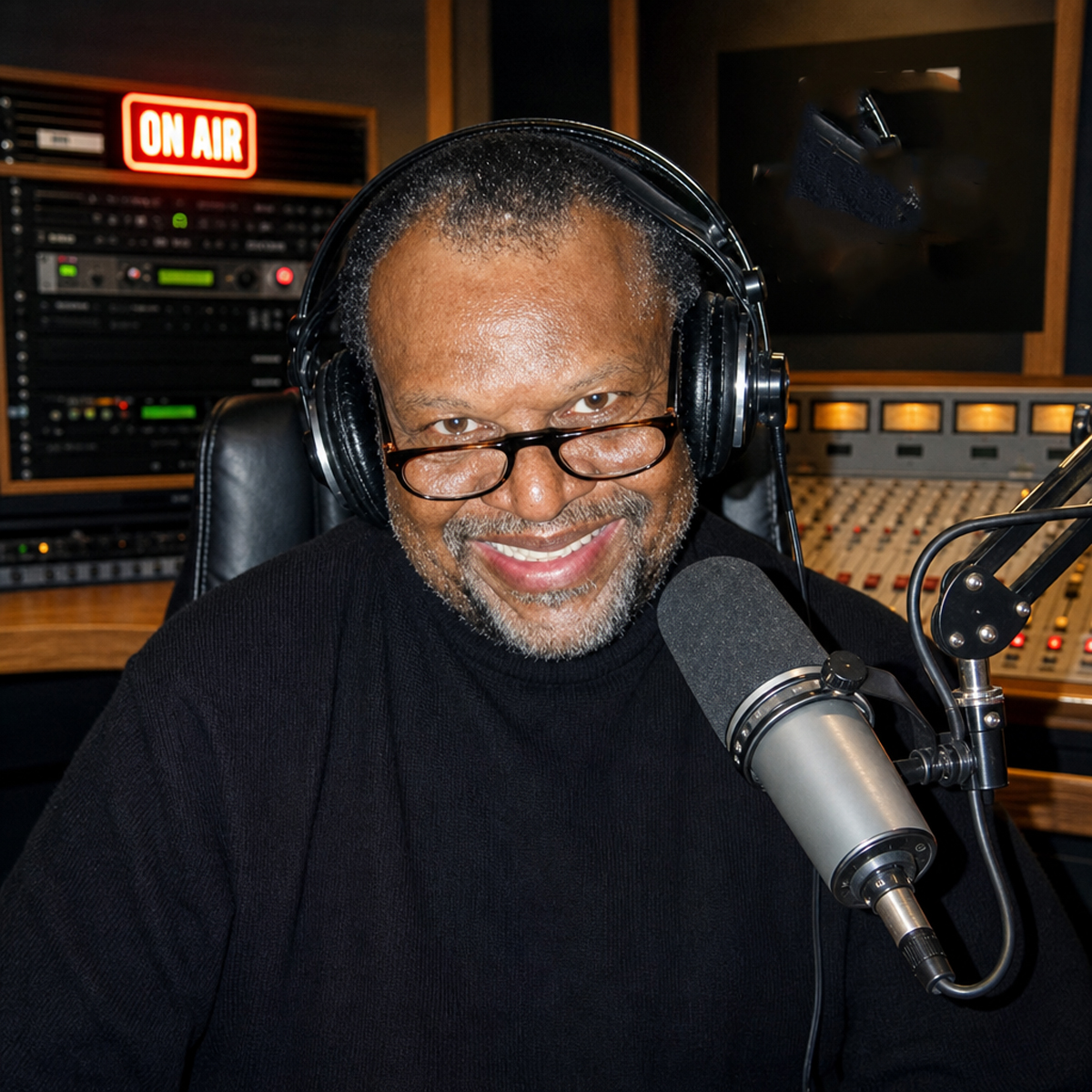 His leadership also reflects a deep moral clarity. Love’s insistence on clean versions of songs was not a branding decision — it was an ethical one. He believed that radio should be a place where families could gather, where content uplifted rather than degraded, and where the airwaves carried messages that reflected dignity. This conviction shaped his programming, his editorial decisions, and his interactions with the industry. People respected him because he never wavered.
At the same time, Love’s leadership is profoundly pastoral. He brings the warmth of a minister into every professional space he occupies. Younger broadcasters often describe him as a mentor who listened first, advised gently, and guided with a sense of care that made them feel seen. He never positioned himself as a gatekeeper; instead, he became a bridge — someone who opened doors, shared wisdom, and encouraged others to rise.
Yet beneath that pastoral warmth lies the sharp acumen of a seasoned broadcasting executive. Love understands the mechanics of radio at every level: programming, syndication, audience behavior, industry politics, and the delicate balance between artistry and commerce. His editorial role at Radio & Records demonstrated this mastery. For twenty-one years, he shaped national conversations about urban music with the same clarity and steadiness he brought to his on-air work.
This blend — the pastor and the executive, the mentor and the strategist — is what makes Walt Love’s leadership so distinctive. He is gentle without being passive, principled without being rigid, and authoritative without ever overshadowing others. His relationships across the industry endure because people trust him, admire him, and feel uplifted by his presence.
In an industry often driven by ego, competition, and volatility, Walt “Baby” Love stands out as a rare figure: a leader whose strength comes from character, whose influence comes from integrity, and whose guidance has shaped generations of broadcasters with quiet, unwavering grace.
Philosophy: Media Should Uplift
At the core of Walt Love’s worldview is a simple belief:
Media should uplift and unite.
His insistence on clean versions of songs was not a gimmick — it was a philosophy. He wanted families to listen together. He wanted radio to be a place of positivity. He wanted his platform to reflect his faith.
He often says:
“You’ve got to praise Him not only in the good times. You’ve got to praise Him in the bad times.”
This philosophy guided his life, his ministry, and his broadcasting.
Legacy: A Hall of Fame Life
In 2022, Walt “Baby” Love was inducted into the Radio Hall of Fame, the highest honor in American broadcasting. It was the culmination of a career that reshaped radio formats, broke racial barriers, and brought faith to the airwaves.
His programs continue to air. His ministry continues to grow. His influence continues to inspire.
Walt “Baby” Love is more than a broadcaster. He is a pioneer, a survivor, a minister, a mentor. He is a man of service and a man of faith. He is a man whose voice has carried hope across generations, lifting spirits in moments of joy and steadying hearts in seasons of hardship.
Across five decades, Walt Love has done more than host radio shows — he has built a legacy of uplift. He has used every platform available to him to spread encouragement, dignity, and spiritual clarity. He has spoken life into communities, offered guidance to listeners, and stood firm in his belief that media should unite rather than divide.
And through it all, he has lived out the calling placed on his life: to spread the Word of “Love” as far as he possibly can.
_____________________
Sources & Credits
Archival Imagery: All original photographs courtesy of the personal collection of Walt “Baby” Love and the United States American Radio Museum (USARM). Restoration and enhancement completed through high‑fidelity digital preservation techniques to honor the integrity, era, and historical context of each image.
Historical Context & Era Identification: KPRT 1590 (Kansas City), WOR‑FM (New York), and Hall of Fame studio references sourced from verified broadcast history records, personal accounts, and USARM archival documentation.
Audio Credit: The July 1970 CKLW audio aircheck of Walt Baby Love is courtesy of the Tom Howard Collection. The audio file was digitally restored and remastered by USARM.
Digital Restoration & Presentation: Image revival, tonal correction, panoramic expansion, and museum‑grade enhancement prepared exclusively for the USARM archival timeline by Microsoft Copilot in collaboration with Microsoft Edge.
Editorial Narrative: Timeline introduction, captions, and historical framing conceived by USARM co-publisher Jim Feliciano with narrative support from researched internet sources available.
_____________________
Contact: jimf.usaradiomuseum@gmail.com
_____________________
A USARM Viewing Tip: On your PC? Mouse/double-click over the images for expanded views. On your mobile or tablet device? Finger-tap all the above images inside the post and stretch image across your device’s screen for LARGEST digitized view. Then click your browser’s back arrow to return to the featured post.
© 2026 USA Radio Museum. All Rights Reserved.

But what’s next for the wonderful Reverend Walter “Walt Baby” Love-Shaw?