
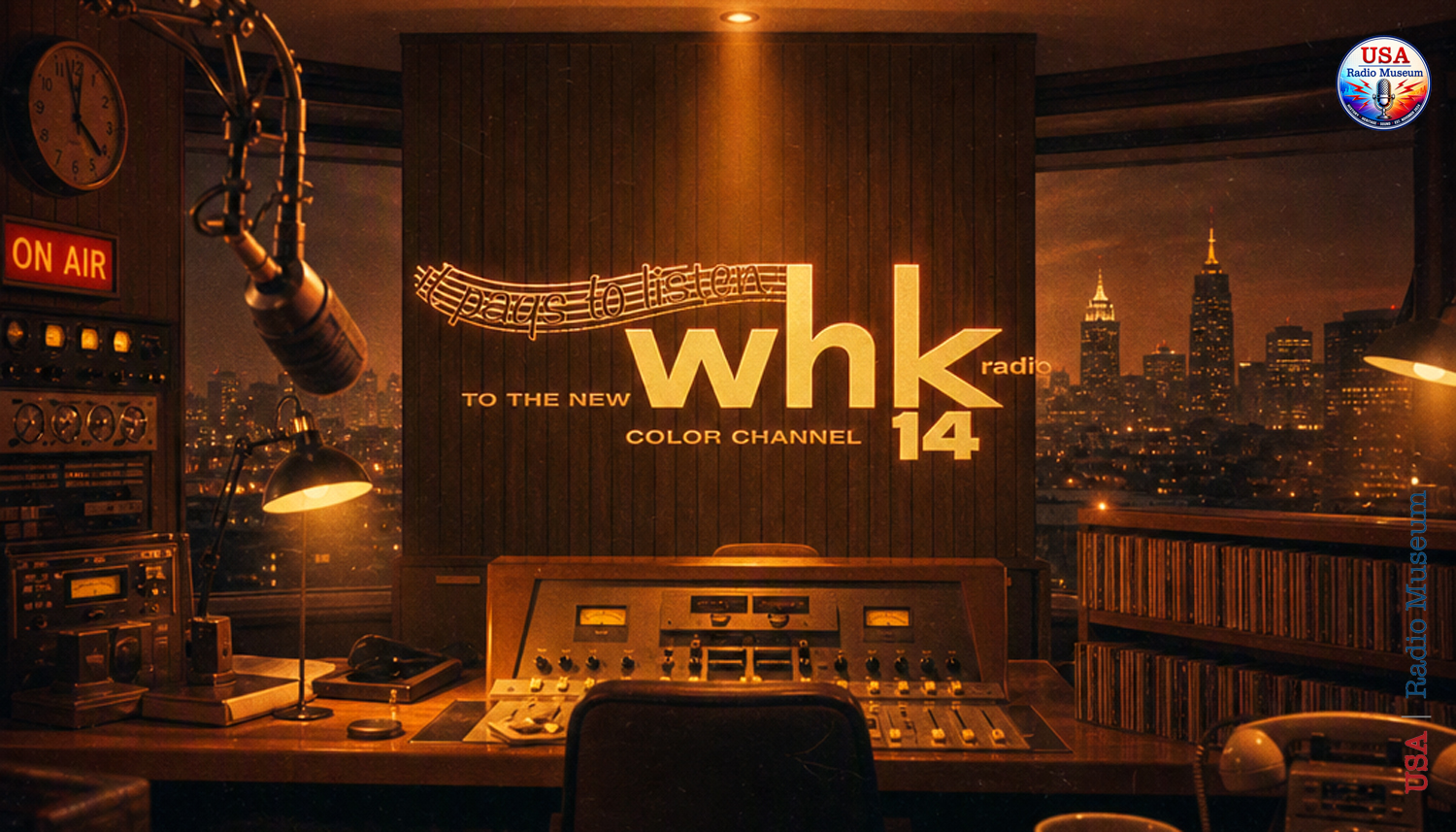
Introduction: When Cleveland's WHK Caught Fire on the Dial In the closing years of the 1950s, as rock ’n’ roll surged across America and teenagers
Introduction: When Cleveland’s WHK Caught Fire on the Dial
 In the closing years of the 1950s, as rock ’n’ roll surged across America and teenagers discovered the thrill of transistor radios tucked beneath their pillows, Cleveland, Ohio became one of the nation’s most vibrant battlegrounds for the new Top 40 sound. At the center of that cultural awakening stood WHK 1420, a station that transformed itself from a traditional full‑service outlet into one of the Midwest’s most modern, high‑energy, youth‑driven voices.
WHK didn’t merely play records — it captured the electricity of a generation. Its “Color Radio” format, its polished production, its relentless pacing, and its roster of rising personalities made it one of the most influential stations between New York and Chicago. And among those personalities was a young, ambitious broadcaster named Johnny Holliday, whose arrival in 1959 marked the beginning of one of the most versatile careers in American media.
This tribute honors WHK’s golden era — the years when Cleveland teenagers tuned in with devotion, when the station’s jingles became part of the city’s heartbeat, and when WHK helped define what Top 40 radio could be. — USA Radio Museum
The Birth of a Midwestern Giant
WHK signed on in 1922, making it one of Ohio’s earliest radio voices. For decades it operated as a traditional station — news, sports, community programming, and middle‑of‑the‑road music. But by the late 1950s, the winds of change were blowing across America. Rock ’n’ roll was no longer a novelty; it was a cultural force. Teenagers were becoming a demographic with power. And radio programmers were beginning to understand that the future belonged to stations that could deliver pace, personality, and excitement.
In 1958–59, WHK made the bold decision to reinvent itself. Inspired by the emerging “Color Radio” format pioneered in Los Angeles and adopted by forward‑thinking stations nationwide, WHK embraced a new identity: bright, fast, tightly produced, and unmistakably modern.
The transformation was immediate. Cleveland teenagers flocked to the station. WHK became the sound of after‑school hours, weekend dances, drive‑ins, and late‑night listening. The station’s new identity — Channel 14 — became synonymous with youthful energy.
The Color Radio Revolution
Color Radio was more than a format; it was a philosophy. It emphasized:
- Short, punchy jingles
- High‑energy personalities
- Fast pacing and tight playlists
- Slick production and seamless transitions
- A sense of brightness and optimism
WHK adopted these principles with precision. Its imaging was crisp. Its promotions were bold. Its on‑air staff delivered a sound that felt alive — a station that moved at the speed of youth culture.
Listeners didn’t just tune in; they felt WHK.
The station’s jingles — bright, brassy, and unmistakably 1960s — became part of Cleveland’s sonic landscape. Its contests drew thousands. Its remotes packed shopping centers. And its nighttime signal, bouncing across the Midwest, carried WHK’s identity far beyond Ohio’s borders.
Johnny Holliday Arrives — A Star Is Born
When WHK hired a young broadcaster from Georgia in 1959, they could not have known they were welcoming one of the most naturally gifted communicators of his generation. Johnny Holliday arrived with an energy that felt fresh, a polish that belied his age, and an instinctive ability to connect with listeners in a way that made radio feel intimate, immediate, and alive. WHK gave him a platform, and in return he gave the station one of the most memorable voices of its golden era.
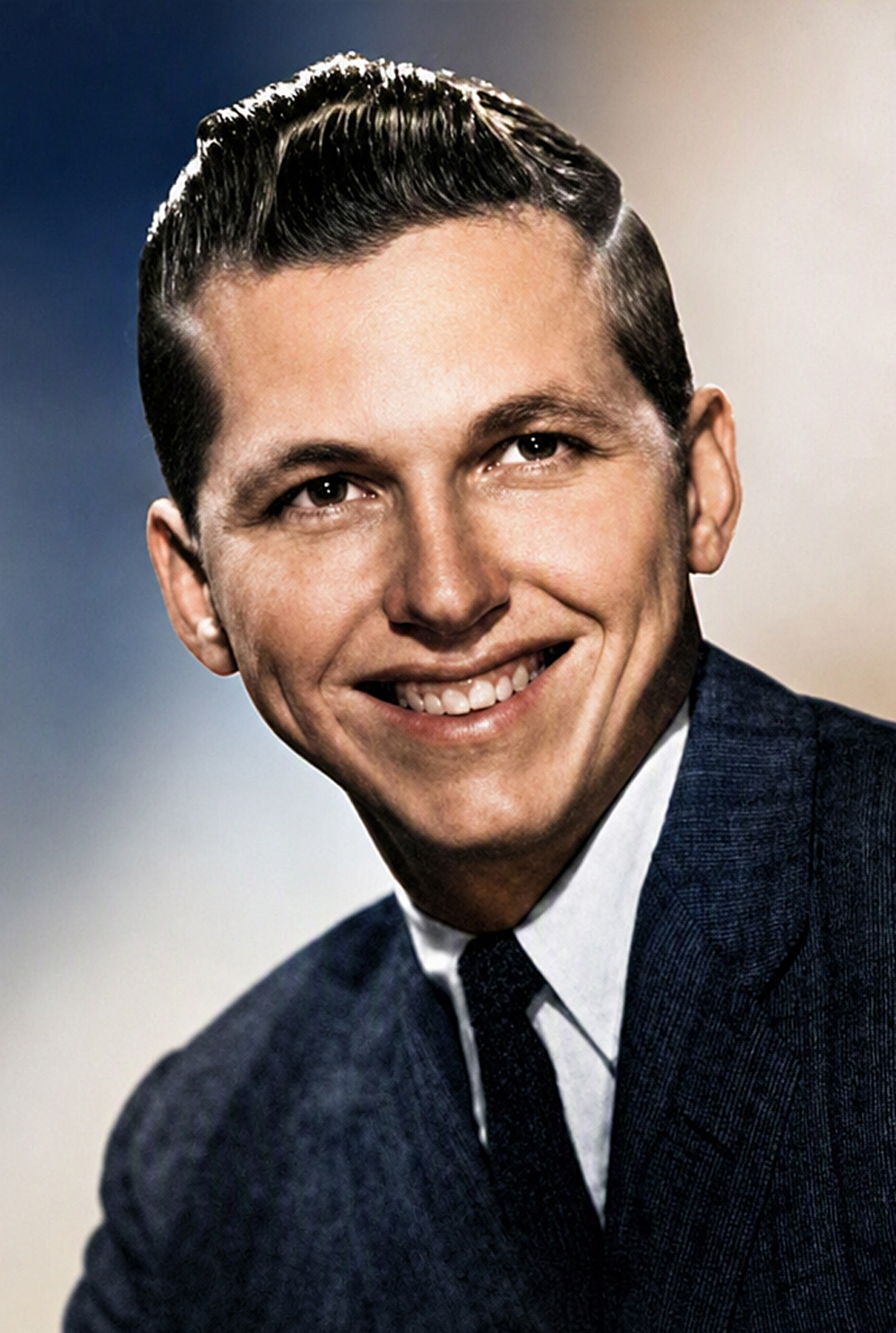
Johnny Holliday, WHK, circa 1963.
Holliday’s shows quickly became a masterclass in early Top 40 radio. His delivery was warm and friendly, the kind of voice teenagers trusted and felt drawn to. His pacing was impeccable — bright, quick, and effortlessly smooth, never rushed but always moving. He had a natural rapport with young listeners, speaking to them not as an announcer perched above the crowd but as a companion riding alongside them through the soundtrack of their lives. And through it all, he maintained a sense of fun without ever sacrificing professionalism, striking that perfect balance that defined the best of Color Radio.
It didn’t take long for Holliday to become one of WHK’s most popular personalities. His presence helped shape the station’s identity during its peak years, giving Channel 14 a voice that felt both modern and deeply human. Airchecks preserved today — especially those from 1962 and 1963 — reveal a broadcaster who understood instinctively how to make radio feel personal. Every introduction, every segue, every moment on the air carried a sense of connection, as though Holliday were speaking directly to each listener individually.
For Johnny Holliday, WHK was the launchpad — the place where his talent blossomed and where he began the journey that would lead him to national prominence. For WHK, Holliday was a rising star whose voice helped cement the station’s legacy, giving Cleveland a personality who embodied the optimism, energy, and youthful spirit of the era. His years at WHK remain a defining chapter in both his career and the station’s history, a moment when a young broadcaster and a pioneering radio station lifted each other to new heights.
The WHK Sound — A Station in Full Flight
By the early 1960s, WHK had become one of the Midwest’s most influential Top 40 stations. Its roster included:
- Alan Michaels
- Scott Burton
- Johnny Walters
- Carl Reese
- Keith Morris
- Pat Fitzgerald
- Johnny Holliday
Each brought a distinct personality, but all shared the same commitment to the Color Radio sound. WHK’s production team ensured that the station never felt slow, never felt stale, never felt anything less than modern.
The music was a blend of: Early rock ’n’ roll; Doo‑wop; Girl groups; Surf and dance hits; Motown; British Invasion records (as the decade progressed). WHK was often first in Cleveland to break new artists. Its influence extended into record stores, high‑school dances, and local concerts. When WHK championed a song, teenagers noticed.
_____________________
WHK | Johnny Holliday | Cruisin’ 1964 | Increase Records (1970)
Audio Digitally Remastered by USA Radio Museum
_____________________
Cleveland’s Cultural Awakening
Cleveland in the early 1960s was a city perfectly poised for a youth‑driven radio revolution. Its neighborhoods were filled with teenagers who were discovering their independence, its suburbs were expanding at a pace that reshaped daily life, and its music scene was alive with clubs, dances, record shops, and the unmistakable pulse of rock ’n’ roll. Few American cities had a deeper or more instinctive connection to the new sound sweeping the nation, and Cleveland’s young listeners were eager for a station that spoke directly to them — fast, bright, modern, and full of personality.
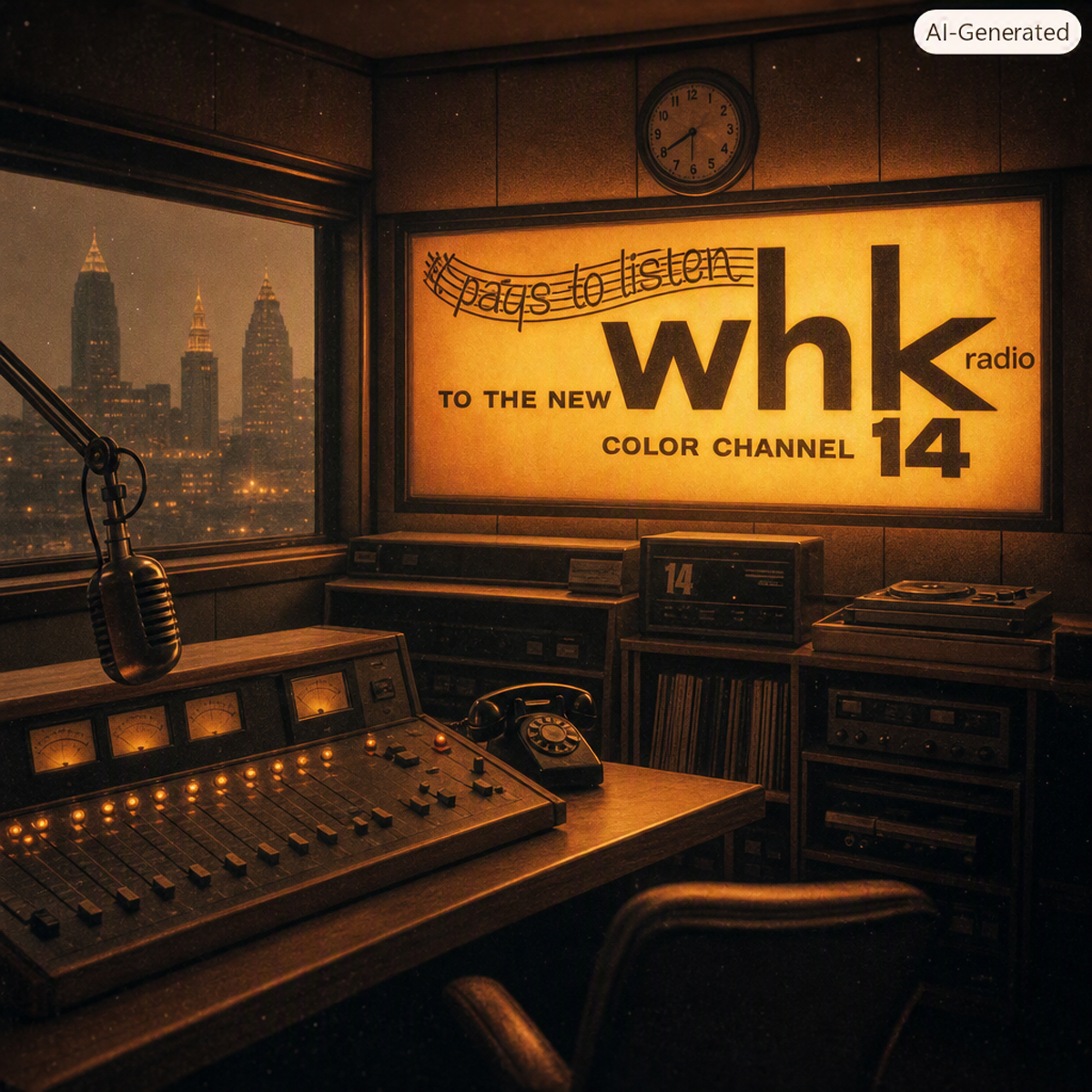
[AI Image Generated Concept]
The station’s promotions became legendary. WHK staged dances that filled gymnasiums and auditoriums, concerts that drew thousands of screaming fans, and public appearances where its personalities were greeted like hometown celebrities. The jocks weren’t just voices on the air — they were part of the fabric of teenage life, the companions who narrated the city’s afternoons, evenings, and weekends. Through its relentless creativity and its ability to tap directly into the heartbeat of youth culture, WHK helped shape Cleveland’s identity as one of America’s great rock ’n’ roll cities, a legacy later immortalized by the Rock & Roll Hall of Fame.
WHK didn’t simply reflect Cleveland’s cultural awakening. It accelerated it. It gave the city a sound, a rhythm, and a sense of belonging to something larger — a national movement defined by music, energy, and the optimism of a generation discovering its voice.
WHK Presents The Beatles — Cleveland, 1964
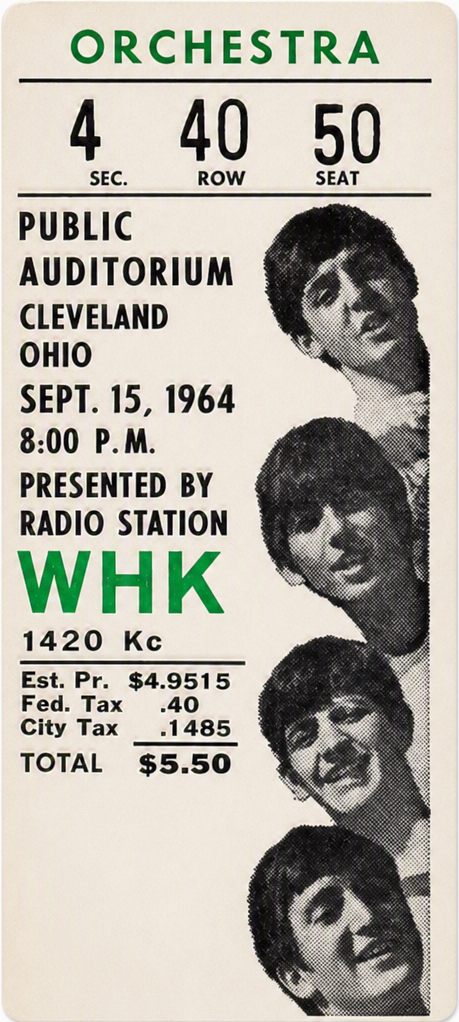 On September 15, 1964, Cleveland experienced one of the most electrifying nights in its musical history when The Beatles performed at Public Auditorium during their first full North American tour. At the center of the frenzy stood WHK 1420, the station that sponsored, promoted, and branded the event with the full force of its Color Radio identity.
For weeks leading up to the concert, WHK saturated the airwaves with Beatles contests, ticket giveaways, on‑air countdowns, and breathless promotions that captured the fever of Beatlemania. Cleveland newspapers listed WHK as the presenting station, and WHK’s personalities were on‑site the night of the show, greeting fans and broadcasting the excitement as thousands of teenagers poured into the auditorium.
The concert itself was pure pandemonium — a tidal wave of sound, emotion, and youthful energy. WHK’s sponsorship wasn’t merely promotional; it was cultural. By attaching its brand to the biggest act in the world, WHK cemented its status as Cleveland’s youth leader and demonstrated that Midwestern radio could shape national pop culture with the same boldness as stations in New York or Los Angeles.
WHK didn’t just play The Beatles. WHK brought The Beatles to Cleveland.
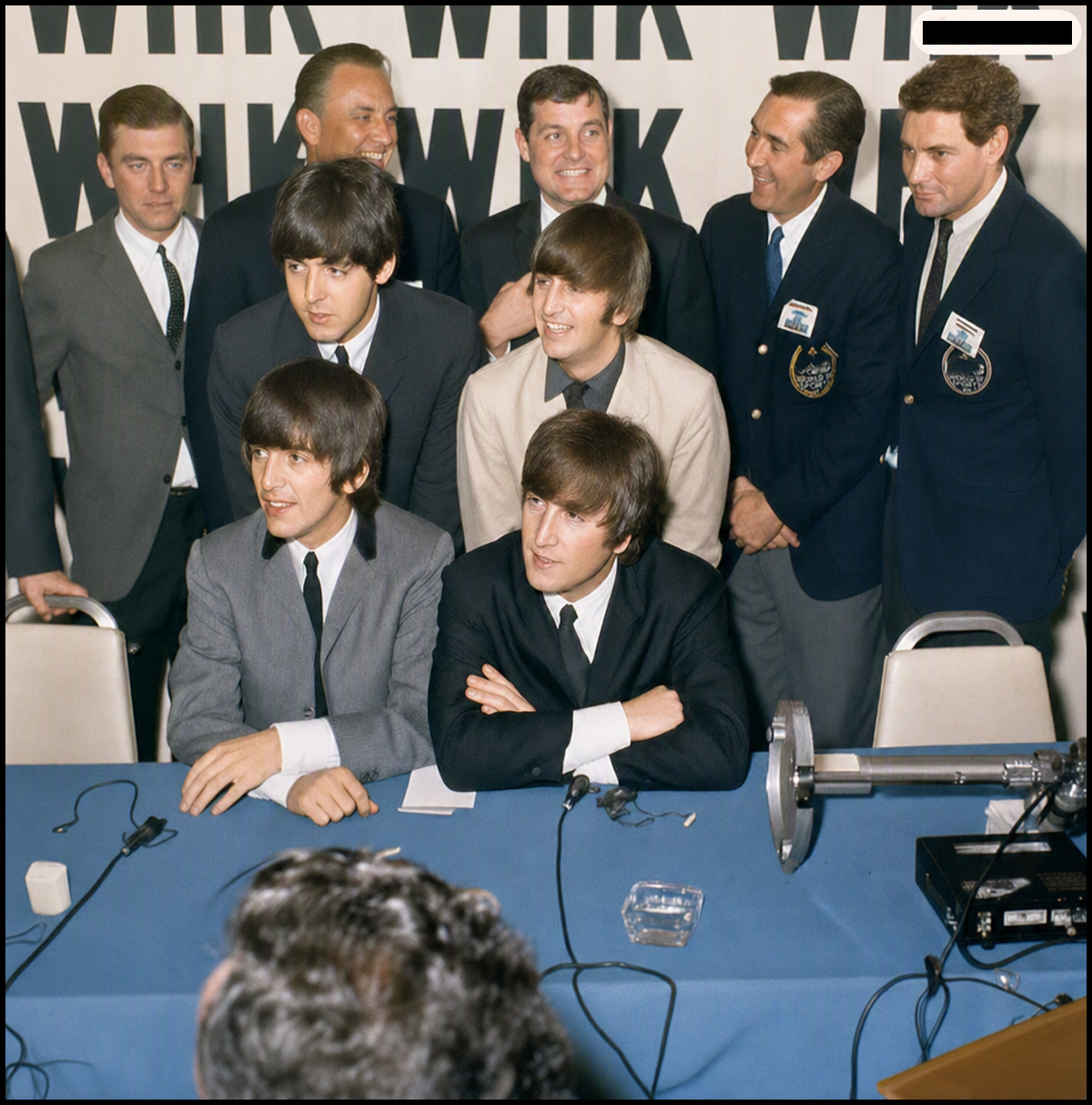
WHK Presents The Beatles. WHK Beatles press conference, backed by WHK DJs and staff. September 1964. [AI colorized].
Competition and Evolution
By the mid‑1960s, WHK faced new competition. Stations like WIXY 1260 and KYW 1100 entered the Top 40 arena with aggressive programming and modern production. The battle for Cleveland’s youth intensified.
WHK adapted, but the radio landscape was changing. The arrival of KHJ‑style “Boss Radio” formats nationwide introduced a new level of tightness and discipline. WHK’s Color Radio sound, once revolutionary, began to feel nostalgic.
Yet even as the competitive environment shifted, WHK’s legacy remained intact. It had been one of the first stations in the Midwest to embrace modern Top 40 programming. It had launched careers. It had shaped culture. And it had given Cleveland a station that felt like a friend.
WHK’s influence can be felt in every modern Top 40 station that values pacing, personality, and production. It helped define what youth‑driven radio could be. It proved that the Midwest could produce stations as modern and exciting as those in New York or Los Angeles. And it gave Cleveland a voice that still echoes in the city’s cultural memory.
Conclusion: A Legendary Cleveland Station That Still Shines
WHK 1420 was more than a radio station. It was a cultural spark, a youth movement, and a broadcasting milestone. Its Color Radio sound brought modern Top 40 programming to Cleveland with a brightness and energy that felt revolutionary. Its personalities — especially the young Johnny Holliday — helped define an era. And its influence continues to resonate in the history of American radio.
For the USA Radio Museum, WHK stands as a shining example of what mid‑century radio could achieve when it embraced innovation, personality, and the heartbeat of its audience. It is a station worthy of remembrance, celebration, and preservation — a station that helped make Cleveland one of America’s great radio cities.
_____________________
Sources & Credits
Archival Materials Provided By: USA Radio Museum Collection Private WHK Listener Archives Cleveland Broadcast Heritage Contributors
Image Restorations & Colorizations: Museum‑grade digital restoration, atmospheric enhancement, and full‑color revival performed by Microsoft Copilot, in collaboration with curator Jaime for the USA Radio Museum.
Featured Artifacts:
- Johnny Holliday Portrait (1963)
- WHK Beatles Press Conference Photograph (1964)
- WHK Beatles Concert Ticket — Public Auditorium, Cleveland (September 15, 1964)
Historical Context & Verification: Cross‑referenced with WHK promotional materials, Cleveland Public Auditorium event records, and contemporary press documentation from the 1964 North American Beatles Tour.
Special Thanks: To the WHK community, Cleveland radio historians, and the collectors who preserve the sound and spirit of Color Radio for future generations.
_____________________
Contact: jimf.usaradiomuseum@gmail.com
_________________________
A USARM Viewing Tip: On your PC? Mouse/double-click over the images for expanded views. On your mobile or tablet device? Finger-tap all the above images inside the post and stretch image across your device’s screen for LARGEST digitized view. Then click your browser’s back arrow to return to the featured post.
© 2026 USA Radio Museum. All Rights Reserved.

But what no one in Cleveland knows but WHK’s legacy will live on thanks to their new FM station in 1968 that will spread their wings and resurrected Cleveland’s love for Rock ‘N’ Roll, that new FM station just happens to be…………….1O1 FM WMMS THE HOT ROCKIN’ FLAME THROWIN’ THUNDERING BUZZARD!