
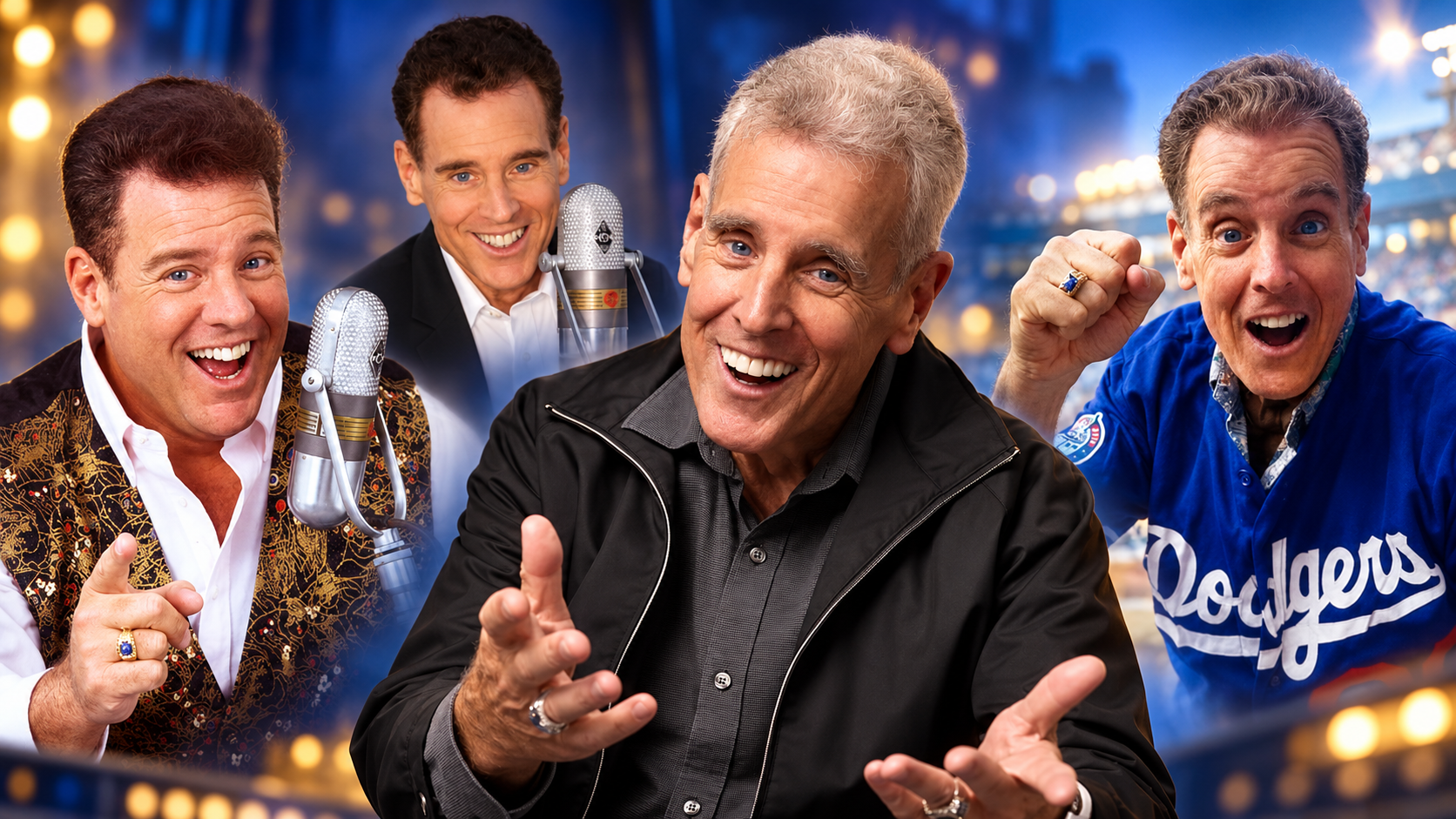
Before Randy West called contestants to the stage or kept a television audience cheering, he was a New York kid watching Johnny Olson turn a roomful o
Before Randy West called contestants to the stage or kept a television audience cheering, he was a New York kid watching Johnny Olson turn a roomful of strangers into a party.
That transformation fascinated him. People who had been standing in line, carrying what West remembers as plenty of New York attitude, suddenly became an enthusiastic audience. Olson supplied the spark. West wanted to learn how he did it.
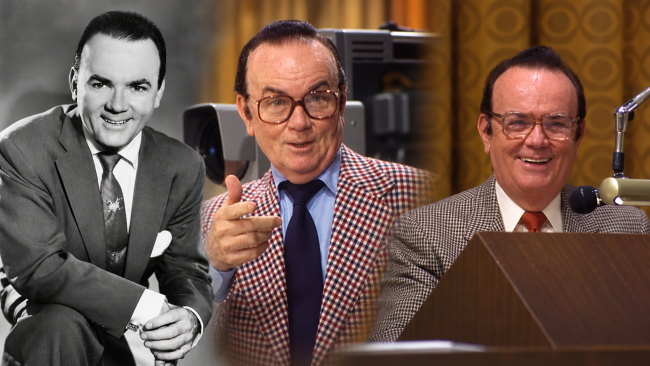
Johnny Olson
In our USA Radio Museum video interview, Randy looks back on the radio personalities who inspired him, the stations where he learned his craft, and the television opportunities that eventually put him behind some of the business’s most recognizable microphones. For me, it was also a chance to reconnect with someone whose career intersected with my own during our days at The Creative Factor.
WATCH THE VIDEO INTERVIEW
Hooked on New York Radio
Television first captured West’s imagination, but New York radio helped give that fascination a direction. WABC was a major influence, especially Cousin Brucie and Dan Ingram.
West remembers his older brother’s involvement in Bruce Morrow’s fan club and family outings that included waiting outside WABC for Brucie to finish his shift. Morrow would stop at the family car and launch into an impromptu performance. The young listener was hooked.
Later, a visit to Dan Ingram’s studio offered a lesson in both broadcasting skill and showmanship. Ingram appeared to read a live Sears commercial while simultaneously addressing an envelope to his son. West wondered how anyone could possibly do both at once.
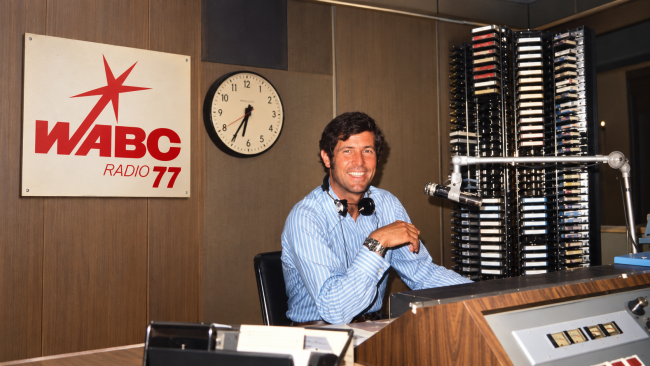
‘Cousin’ Bruce Morrow on 77 WABC
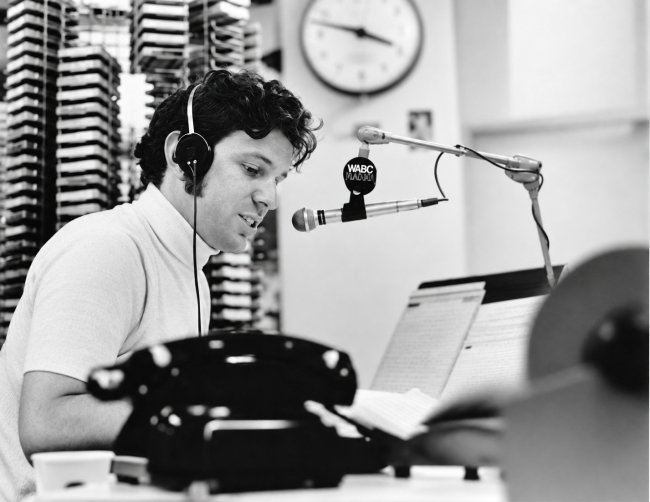
Dan Ingram 77 WABC
Decades later, Ingram let him in on the trick: He had read that commercial so often that he knew it by heart. The envelope routine was a little performance for visitors. West’s admiration survived the revelation. Ingram’s timing, quick wit and ability to weave his voice through music and jingles remained a model of what personality radio could be.
Johnny Olson Opens a Door
As a teenager, West began attending television tapings in Manhattan. He gravitated toward seats near the announcer’s microphone, where he could study Olson at work.
Olson noticed. He gave the aspiring announcer scripts to practice and offered encouragement. Then came a small audience warm-up routine that West remembers as a turning point.
Olson sent him for a cup of water, supplying an absurdly complicated set of directions. West waited in the wings. When Olson called for him, he returned, pretended to stumble and handed over an empty cup. Olson played the moment for laughs, and the audience responded.
“And that was the beginning of my life,” West recalls.
Johnny Olson
Olson’s advice was practical: Get into radio. Learn to speak without a script. Develop a personality and find out how to hold an audience’s attention.
Learning the Business One Station at a Time

Randy on the mike
West followed that advice through college radio and into WRNW in New York. His introduction to professional broadcasting included mistakes, weekend shifts and religious-program tapes. When the station changed to album rock, he adapted and stayed.
His next stops included WALL in Middletown and WHVW in the Poughkeepsie area. At WALL, he recalls learning the basics from experienced radio people. At WHVW, he enjoyed the discipline and pace of a format modeled on the Drake approach. A move to Connecticut brought a program director’s job at WFIF in Milford.
Those years gave him experience that would matter in television: working live, adjusting quickly and keeping a performance moving when there was no opportunity to start over.
Hollywood and The Creative Factor
West’s move west grew out of an unlikely opportunity involving Joey Reynolds and Wayne Newton’s record company, Aries II. When that venture ended, radio syndication provided another opening.
That is where our stories meet. At The Creative Factor, Randy helped bring our programming to stations around the country. In the interview, we remember the rush to produce and distribute a John Lennon special, with analog tape everywhere and station sales happening while the program was still taking shape.
We also revisit 20:20 Musicworld, the series developed by Jim Hampton and hosted by John Leader, then Wink Martindale and Tom Murphy in later years. Also, Concert Magazine for album rock stations. Randy remembers traveling to markets where an in-person visit could close a sale that a telephone call could not.
He later became production director and a weekend air personality at Los Angeles’s Magic 106. Along the way, he continued pursuing the television work that had first drawn him toward broadcasting.
From Contestant to Announcer
One way into television was through the contestant’s chair. West appeared on several game shows, including Press Your Luck and All Star Blitz. He wanted to be where television was made, and those appearances helped him build relationships with producers.
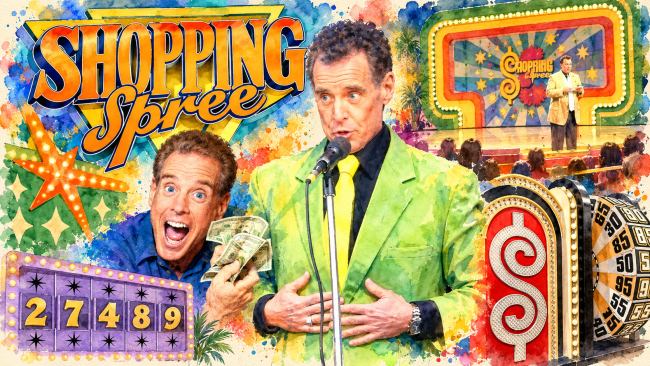
Announcing pilots and taking smaller assignments gradually led to regular work. He recalls one audience warm-up job that paid just $50. His agent encouraged him to take it because the producers were worth knowing, then showed up with candy to help energize the crowd.
The relationship paid off later when those producers brought him into The Chuck Woolery Show. Announcing and warm-up work led to promotional voice work, opening another part of the business.
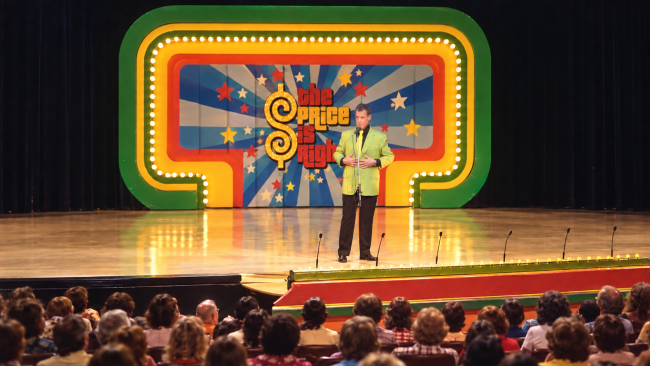
His credits would include Supermarket Sweep, The Newlywed Game and assignments on The Price Is Right alongside Bob Barker. Working on the show so closely associated with Olson carried particular meaning. West also helped launch The Price Is Right Live, bringing the familiar games and excitement to theater and casino audiences.
Making the Audience Part of the Show
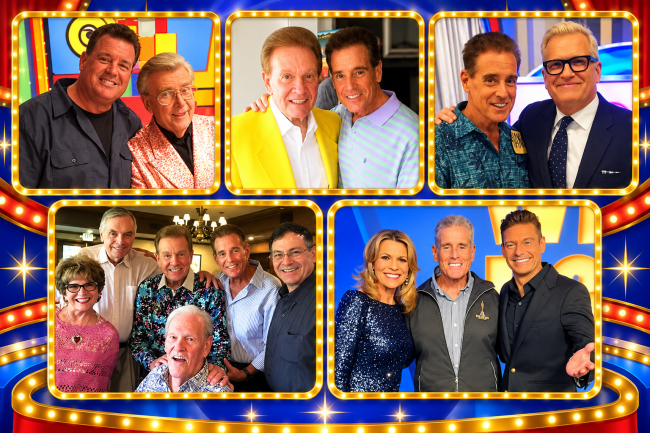

Ask West about audience warm-up and he describes a demanding performance job. The audience needs information, reassurance and a reason to stay excited through the stops and starts of production.
Olson taught him to leave the stage and go into the audience. Meet people. Talk with them. Establish a personal connection. West learned to mix instructions with jokes, helping contestants understand what to do while keeping the room loose and responsive.
On the live stage version of The Price Is Right, the announcer’s visible presence and exchanges with the host made the assignment closer to a co-hosting role. Radio’s lessons in timing and improvisation traveled well.
Preserving the People Behind the Voices
Years after Olson’s death, West received an unexpected call from a relative handling the family’s belongings. Olson had saved some of West’s letters. Would he be interested in the materials Olson had kept from his career?
The collection included scripts, photographs, notes and an outline for an autobiography. Combined with the stories Olson had shared personally, those materials became the foundation for West’s book Johnny Olson: A Voice in Time.

Authored by Randy West
Writing it was a way to repay a mentor who had explained not only what he did, but how and why he did it. West remembers Olson’s detailed system of marking scripts for phrasing, breathing and emphasis—a practical gift he continued using in his own work.
His writing also includes TV Inside-Out. In our interview, he describes another book project devoted to Television City in Hollywood, drawing on archival photographs, plans and the history of the shows made there.
For USA Radio Museum readers, Randy’s story shows how skills developed in local radio could carry a performer into national television. It also shows what can happen when an established broadcaster takes an interested young person seriously.
Johnny Olson offered scripts, advice and a little room to perform. Randy West built a career from those beginnings—and, through his books and recollections, is helping keep that broadcasting history alive.
C’mon Down
From his early days in New York radio to the microphones of national television, Randy West has carried forward the lessons he learned from broadcasters who knew how to make an audience feel welcome. Johnny Olson gave him encouragement and practical guidance, and Randy built a career putting those gifts to work. Few phrases capture that spirit better than “C’mon Down!”—an invitation filled with excitement, possibility and the promise that someone in the audience is about to become part of the show.
For me, this conversation was also a welcome reunion with someone who shared the creative energy of our radio syndication days. Hearing Randy’s stories brought back the pleasure of making programs and seeing where an idea could lead. Through his performances, books and generous sharing of memories, he continues to invite us behind the microphone. So, in the spirit of the show that helped shape his life, “C’mon Down!” There are still plenty of good stories to hear.
###
